
Last updated November 15, 2026
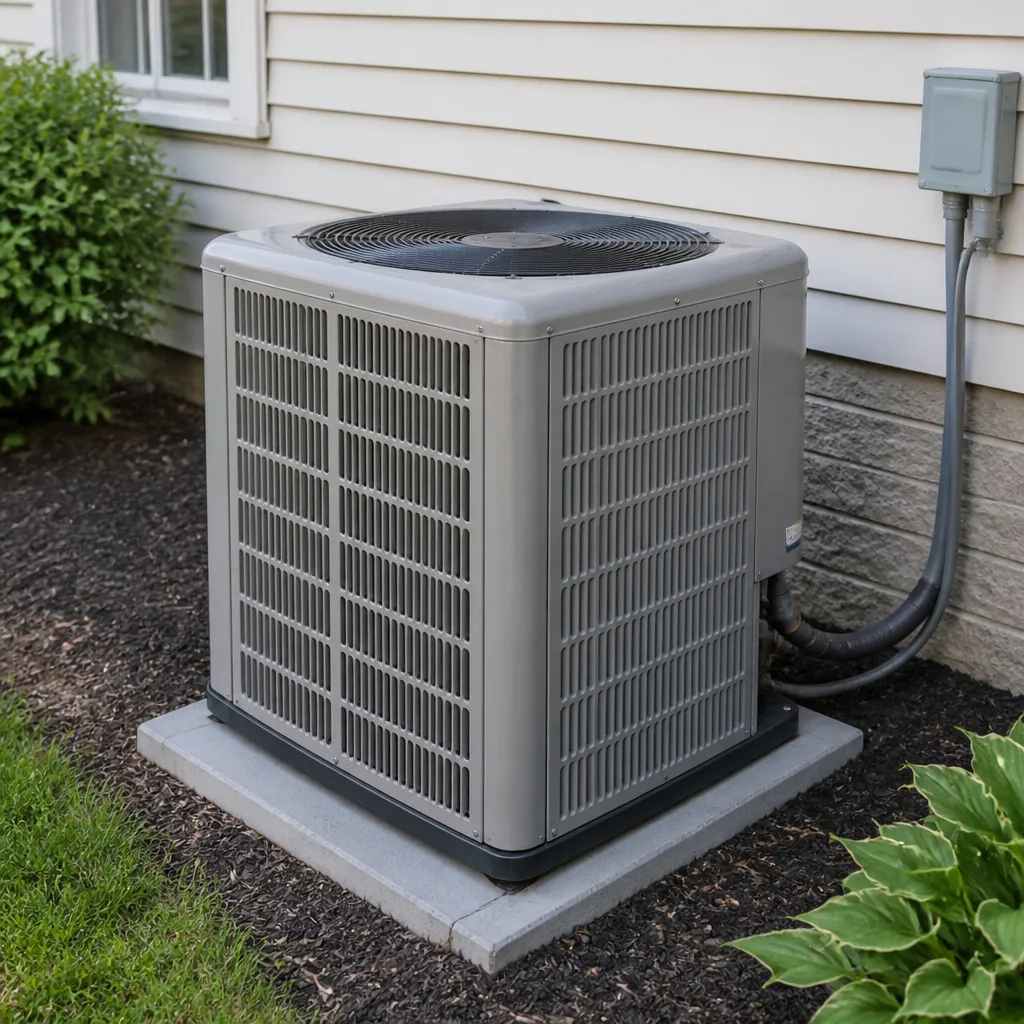 AC repair
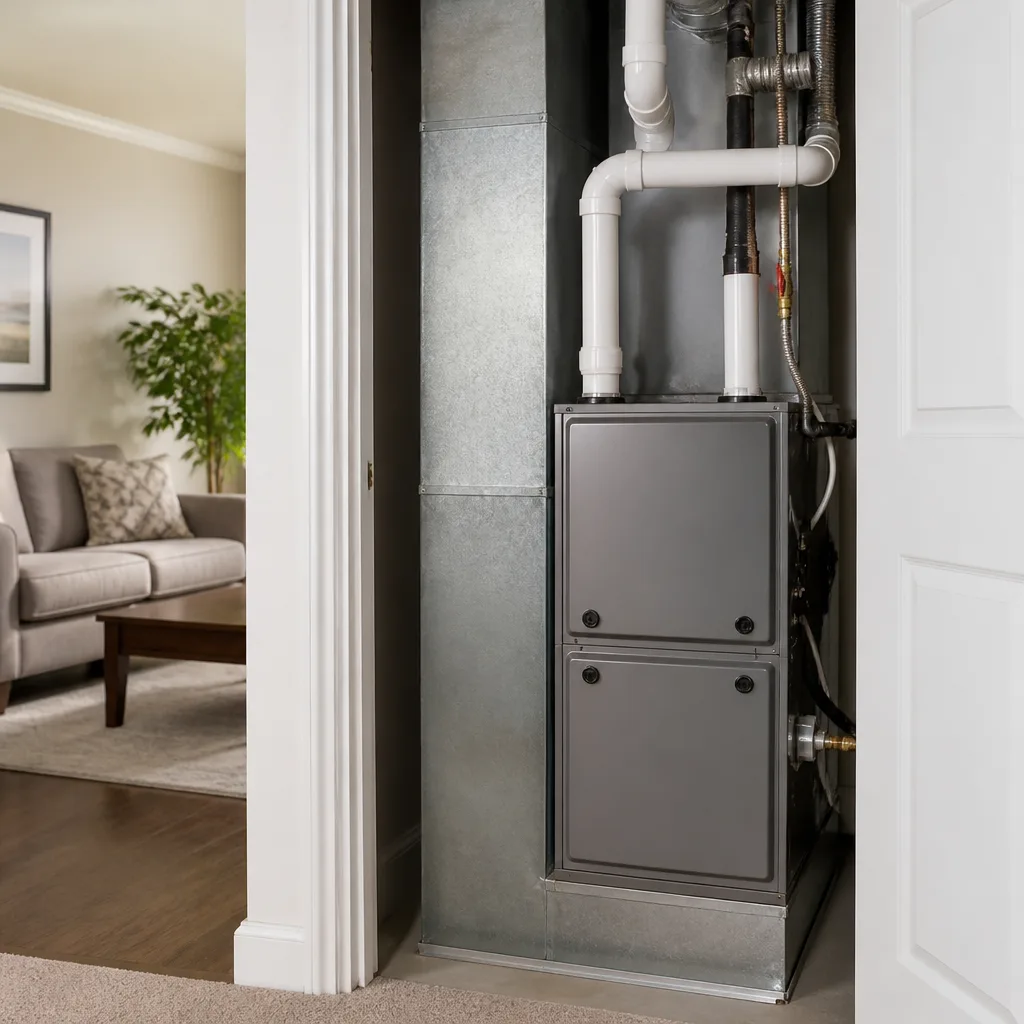 Furnace & heating
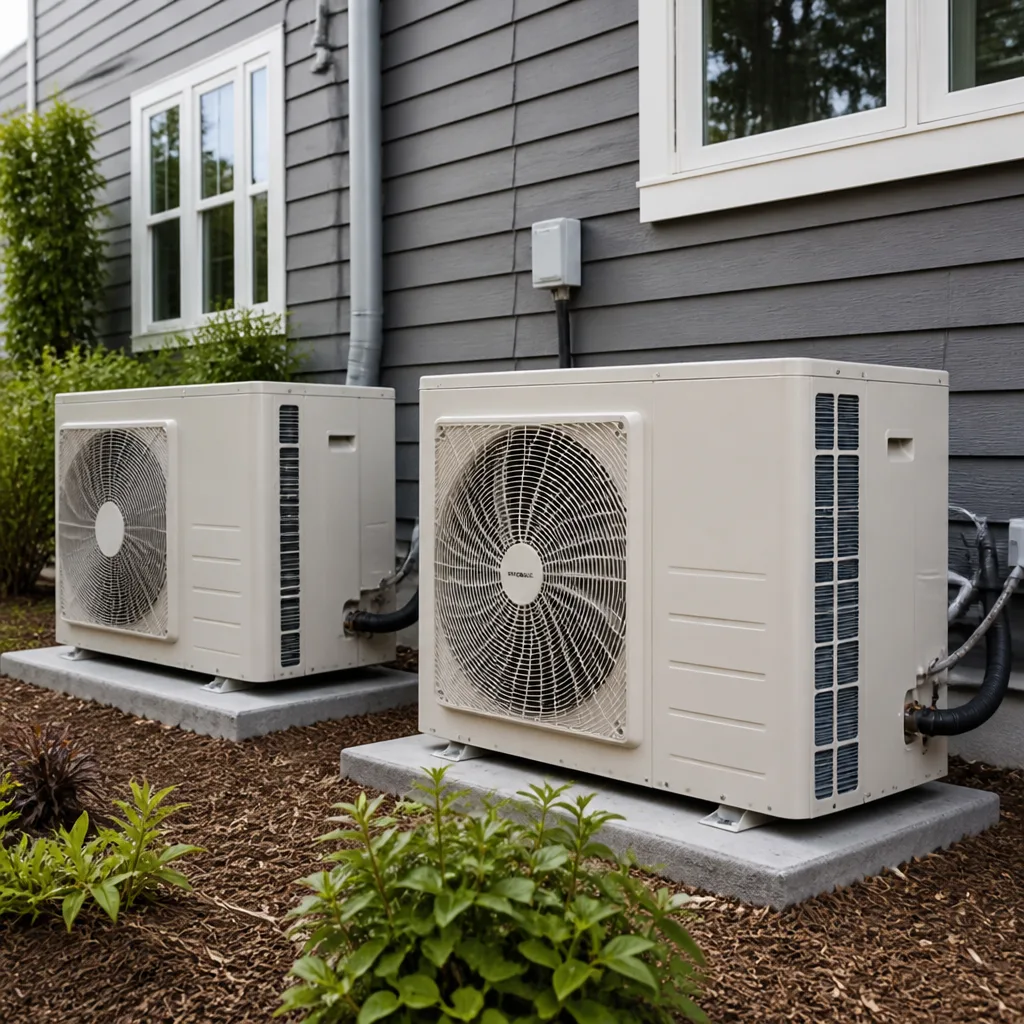 Heat pumps
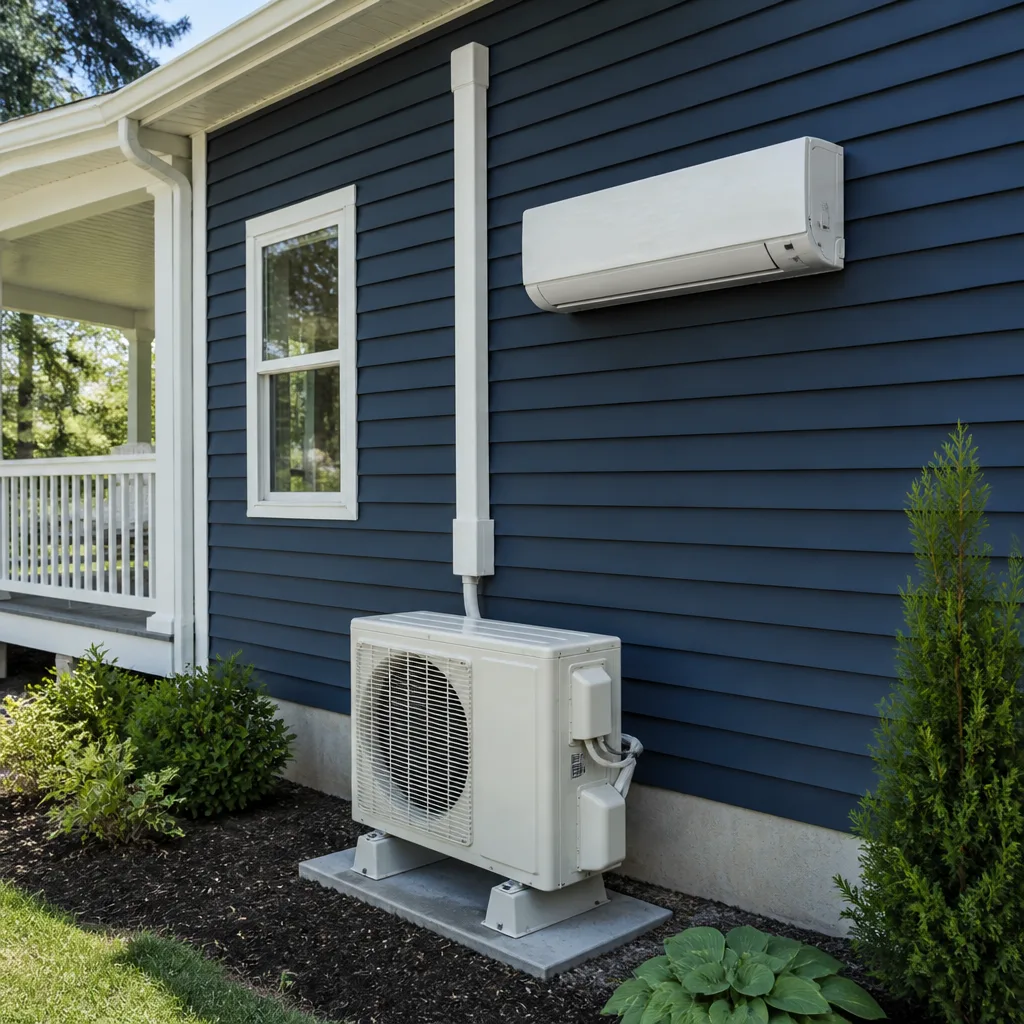 Ductless mini splits
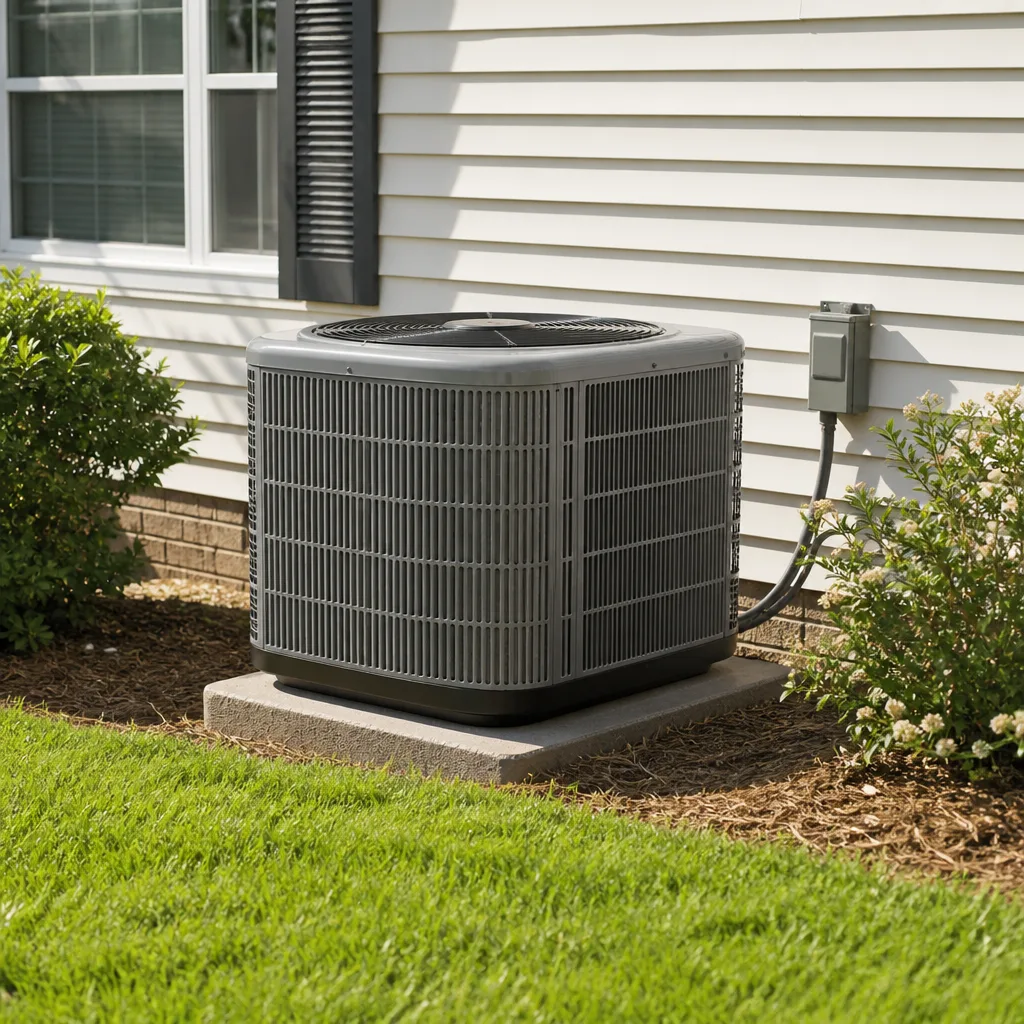 Carrier
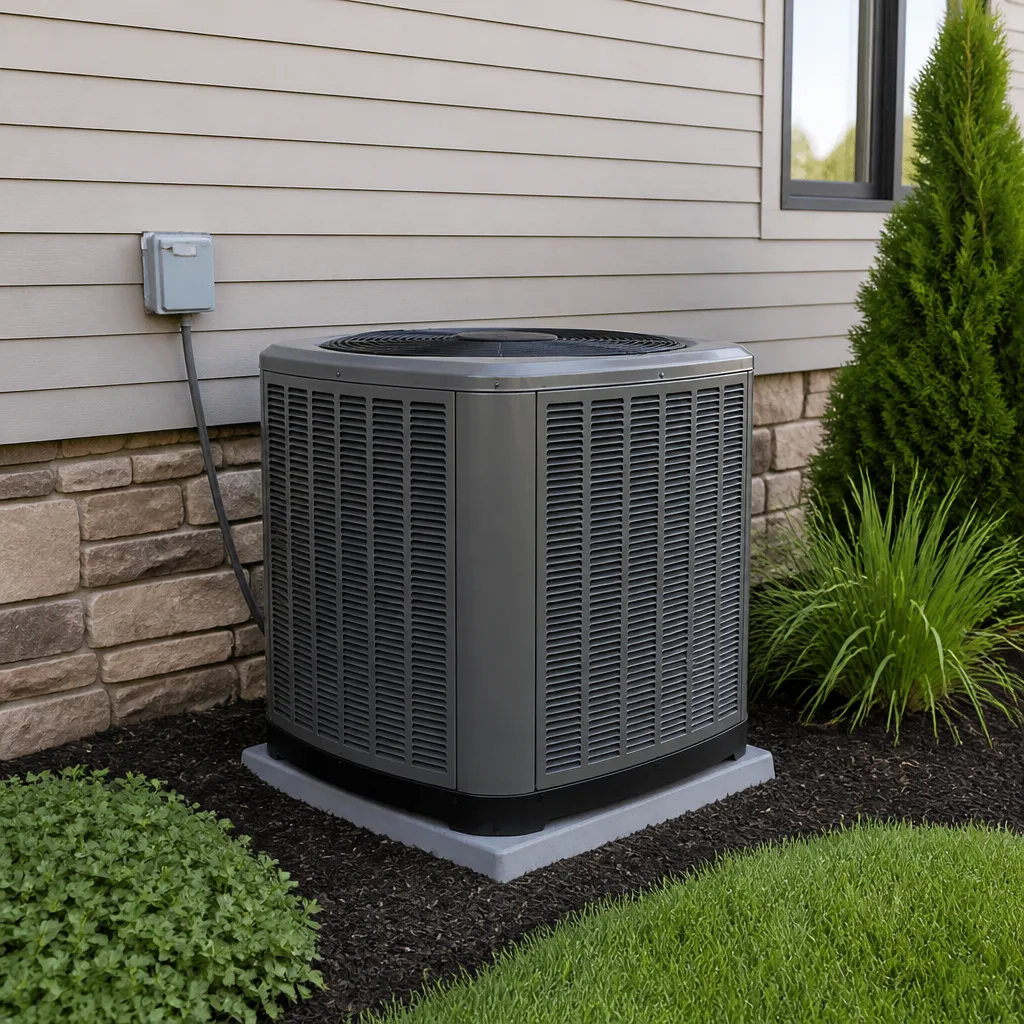 Trane
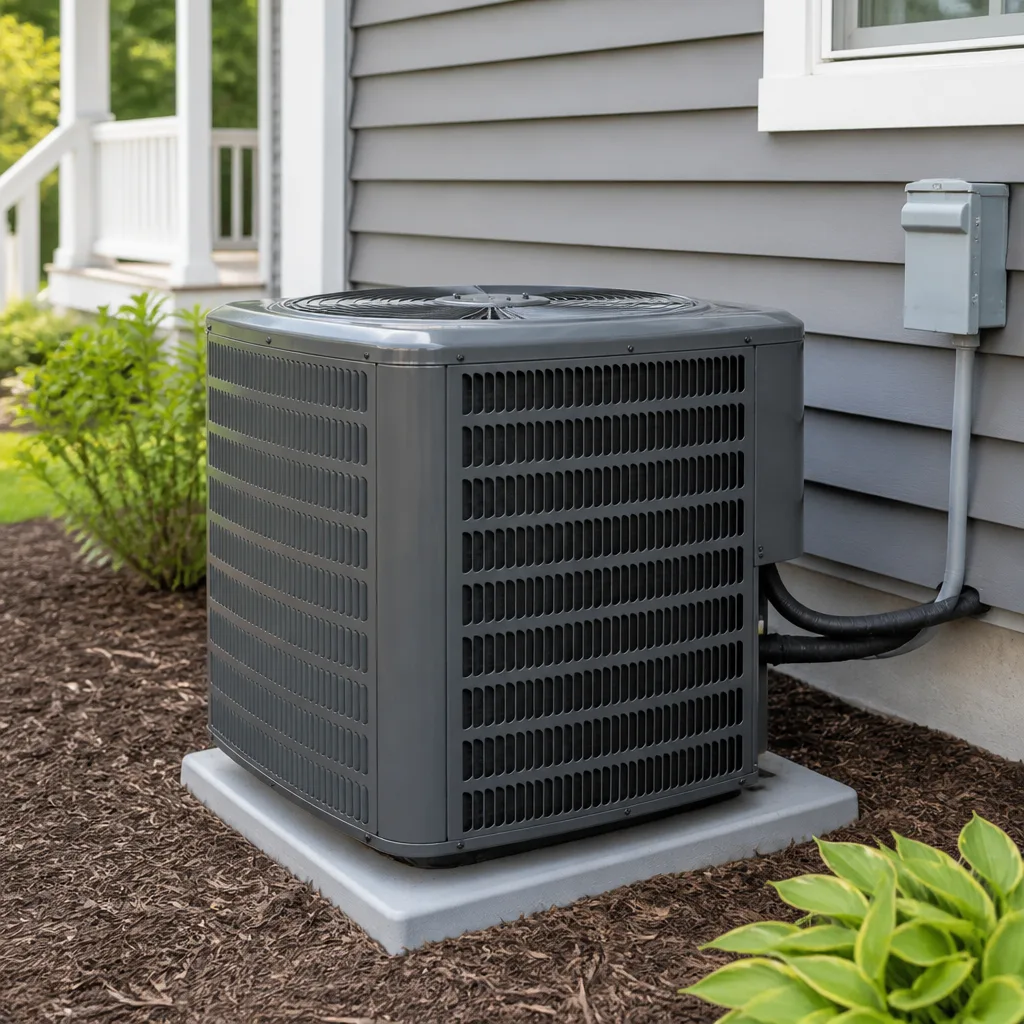 Goodman
Seasonal tune-up and full diagnostic on your Carrier, Trane, or Goodman system - readings shown to you before any repair is proposed
Diagnosis first, numbers second - you approve the repair price before a single part goes in.
Get your free estimateHVAC Emergency Preparedness Guide for Mesquite Homes
Most emergency HVAC advice is written as if you have a day to think it over. In Mesquite, you usually don’t. A failed air conditioner during a summer heat advisory can push an unshaded house toward dangerous indoor temperatures in a single afternoon, and the repair queue on those days is longer than the temperature window is wide. The work of preparedness happens before the failure, not during it. This guide covers how to figure out your own home’s heat vulnerability, what to do in the first half hour of a breakdown, how to tell a quick fix from a real mechanical failure, where Mesquite’s cooling resources are, and how to give a technician enough information on the phone to shorten the wait.
Quick Answer
An HVAC emergency plan for a Mesquite home comes down to three things: knowing how fast your specific house heats up when the AC quits, having a written first-30-minutes response ready before you need it, and knowing which failures are safe to check yourself and which require a licensed technician. Build the plan in spring, before the first heat advisory, and keep it somewhere you can find without thinking.
Styles & brands we work with
- AC repair
- Furnace & heating
- Heat pumps
- Ductless mini splits
- Carrier
- Trane
- Goodman
Table of Contents
- How to Calculate Your Home’s Heat Vulnerability Window
- The First 30 Minutes of an AC Failure
- Quick Fix or Real Failure? A Safe Triage Guide
- Mesquite Cooling Centers and City Resources
- What to Tell Us on the Phone to Speed Up Diagnosis
- Older and Multi-Brand Systems: Why Parts Sourcing Changes the Timeline
- Spring Prep Checklist for Mesquite Homes
- When to Call a Professional
How to Calculate Your Home’s Heat Vulnerability Window
Your vulnerability window is the time between “AC stops working” and “indoor conditions become a health concern.” It’s not the same for every Mesquite house, and it isn’t the same as the outdoor temperature. Three factors move it more than anything else: attic insulation, sun exposure on the west and south sides, and who lives in the house.
Insulation and thermal mass
A house with well-sealed attic insulation and modern windows holds its cool air noticeably longer than an older home with thin attic coverage and single-pane glass. Most Mesquite neighborhoods built in the 1970s through the 1990s have had windows replaced but not always attic insulation topped up, which means the ceiling is often the weak point. If your attic feels hot enough to drive you out in under a minute, your house will gain heat quickly without the AC running.
Sun exposure
A home with a large west-facing wall and no shade tree will heat faster in the late afternoon than a north-facing home under mature pecan shade. Mesquite’s older lots often have established trees that help; newer subdivisions frequently don’t yet. If your backyard faces west and has no shade, treat your window as shorter, especially if the failure happens between noon and 6pm.
Occupant risk
Young children, adults over 65, anyone with a heart or respiratory condition, and anyone on medication that affects sweating or body temperature regulation should be treated as high-risk. Medical equipment that needs a cool room is a special case: a failed system isn’t a comfort problem, it’s a safety problem that justifies calling immediately and mentioning the equipment on the phone so we can prioritize accordingly.
A simple calculation
- Start with a baseline of what your home does on a normal 100°F afternoon with the AC running. If the system keeps up and holds its setpoint comfortably, you have a buffer.
- Deduct time if the attic is under-insulated: assume your house will gain heat faster than a well-retrofitted neighbor’s.
- Deduct more time if the failure happens on the sun-facing half of your house during afternoon hours.
- Deduct further if anyone in the home is in a risk category or on medical equipment.
- Write the result somewhere with the HVAC phone number. For most Mesquite homes, the number is measured in hours, not a day.
We work on Whitman AC Repair equipment from all major manufacturers, so if your system is a York or a Daikin unit that stopped mid-cycle, the conversation on the phone can start with the model rather than the brand of the day.
The First 30 Minutes of an AC Failure
When your AC stops moving air on a heat advisory day, the first half hour determines how much of the following day you spend uncomfortable. The goal during this window is to slow indoor temperature rise and rule out the two or three things you can safely check. Everything else waits for a technician.
- Confirm it’s actually the system, not the thermostat. Check that the thermostat is on COOL, the setpoint is below room temperature, and nothing has flipped it to a schedule or hold setting. A thermostat in “OFF” or a dead battery reads exactly like a breakdown.
- Check the breaker that feeds the outdoor condenser. It may be labeled “AC” or “condenser” in your panel. If it’s tripped, reset it once and see whether the outdoor unit comes back. If it trips again immediately, stop and call. A breaker that keeps tripping is a symptom, not a problem to push through.
- Check the air filter. A filter that’s fully clogged can cause the system to stop cooling or freeze up. It’s a safe, quick check.
- Close blinds and curtains on sun-facing windows. Interior window coverings cut direct solar gain on the west side considerably. Close them on the side of the house facing the sun before noon.
- Move activity to the coolest rooms. Lower floors and interior rooms without west-facing walls are the coolest zones in a Mesquite house during a heat event.
- Run ceiling fans in occupied rooms, but not empty ones. Fans cool people, not air. Running them in an empty room adds a small amount of heat from the motor.
- Do not open the windows during a heat advisory. Once outdoor temperature exceeds your indoor temperature, opening windows brings more heat in, not less.
- Don’t run the oven, the dishwasher, or the dryer. Major appliance heat adds up during a breakdown.
- Call. The phone line is where the plan catches up with reality.
What not to do
Don’t pour water on the outdoor unit, don’t open electrical panels beyond a breaker reset, and don’t try to reach into the condenser to free a fan blade. The outdoor unit is connected to line voltage; the electrical and rotation hazards are real. If you hear the outdoor fan humming but not spinning, or the compressor clicking and shutting down, that’s information for the technician, not a project for you.
Quick Fix or Real Failure? A Safe Triage Guide
Not every “AC is broken” call turns out to be a mechanical failure. In our experience running calls across Mesquite, a fair share of no-cooling calls come down to a tripped breaker, a clogged condensate drain with a float switch doing its job, or a thermostat setting. Knowing how to sort those from true failures keeps you from waiting on a service visit you didn’t need, and it also tells you when not to wait.
Symptoms you can safely investigate
- No air from the vents and no sound from the outdoor unit. Check the thermostat first, then the breaker. If the breaker holds after a reset and air returns, you’ve solved it. If not, stop here.
- Air is moving but it’s warm. Check the filter. A badly clogged filter can cause warm air or a system freeze-up. If swapping it doesn’t restore cooling within an hour, call.
- System runs then stops after 10 to 15 minutes. This can be a clogged condensate drain with a float switch tripping on water level. It’s a common Dallas-area failure. Look at the indoor unit’s drain pan and drain line for visible standing water, but don’t disassemble anything. If you see water in the pan, call and describe it.
- Ice on the indoor coil or refrigerant lines. This means something is wrong on the refrigerant or airflow side. Turn the system OFF and leave it off, then call. Running a frozen system can damage it further.
Symptoms that mean call a professional now
- Burning smell, scorched insulation smell, or visible smoke from any HVAC component.
- Repeated breaker trips immediately after reset.
- What sounds like grinding, screeching, or metal-on-metal from the outdoor unit.
- Water dripping from a ceiling or wall near the indoor unit.
- The compressor shuts down but the indoor fan keeps running, and the air is warm.
Refrigerant work, compressor replacement, and anything inside the electrical panel are for trained technicians. Refrigerant systems are under pressure and require licensing to handle; a DIY attempt can injure you and it will not fix the problem. For those calls, AC repair is the right path, and describing what you saw helps significantly.
Mesquite Cooling Centers and City Resources
When an HVAC failure happens during a Mesquite heat advisory and the repair is hours away, the backup plan matters. The city of Mesquite and Dallas County maintain seasonal cooling resources, and knowing where they are before the day you need them makes the call short.
Where to look
Mesquite’s public library and recreation centers function as cooling spaces during heat advisories; the Mesquite Public Library and the city’s recreation centers are typical locations. During an active heat advisory, check the City of Mesquite’s website and social channels for the current list of designated cooling centers, since openings and hours change with the advisory. Dallas County maintains a similar network across the metro. 2-1-1 Texas connects callers with local heat-relief information and transportation options. The Texas Health and Human Services Commission publishes statewide heat safety guidance each summer.
Who to move first
If a cooling center is part of your plan, plan the trip before indoor temperature becomes uncomfortable, and travel during cooler hours if the failure happens late. Take medications, medical equipment that needs power, and water. If a member of your household relies on powered medical equipment, mention that when you call for service. We can’t promise a specific arrival window, but the dispatcher needs to know the priority when we book the day.
Keep a paper list
Write down the library and recreation center addresses for your side of Mesquite, the 2-1-1 number, and the HVAC service number. Put the list on the fridge. During a power outage or heat emergency, the internet is often the first thing to become unreliable, and having the list in your hand is worth more than a bookmarked page.
What to Tell Us on the Phone to Speed Up Diagnosis
The single most useful thing a homeowner can do during a breakdown is give the dispatcher the right information in the right order. An accurate description on the phone often means the technician knows what parts to consider, and which brands of equipment to prepare for, before the drive. In our experience, a five-minute phone call that covers the details below can save far more than five minutes when the technician arrives.
- Your system brand and model, if you have it. Check the outdoor condenser label and the indoor air handler label. Carrier, Trane, Lennox, Goodman, Rheem, York, Daikin, Bryant, and American Standard each have distinct part families, and older units often need specific components that aren’t universal. Knowing the brand and model up front shortens parts sourcing.
- System age. If you know the year the equipment was installed, say so. A 20-year-old system behaves differently from a 5-year-old one, and it can change the diagnosis conversation.
- What you saw and heard. Was the outdoor unit running? Was the indoor fan running? Humming? Clicking? Did you hear ice? Did the breaker trip? Describe the sequence, not just the end state.
- What you already tried. Thermostat reset, breaker reset, filter change. This saves the technician from repeating steps.
- Any recent work. If another company was out in the last few months, or you had a component replaced, say so. It can point straight at the issue.
- The house layout and unit location. Attic units, closet units, and garage units each present differently. If yours is in an attic, mention the access point.
- Anyone with a medical condition or equipment dependency. Say it clearly on the call.
If you don’t know the brand, that’s fine. We can identify it on arrival. But if you can read the label without climbing or reaching into anything dangerous, do. Don’t force an attic hatch open on a 105°F afternoon, and don’t move anything blocking the equipment.
Older and Multi-Brand Systems: Why Parts Sourcing Changes the Timeline
Here’s a truth about HVAC emergencies that competitors tend to skip: not all failures can be fixed on the same schedule, because not all parts are on a shelf a mile away. Older systems, less common model years, and equipment that a specific technician isn’t familiar with all push the timeline out. A well-run HVAC company is honest about that and, crucially, avoids it by being able to work on the equipment you already own.
Why brand coverage matters during a breakdown
Some HVAC companies are single-brand dealers or only stocked for the brands they install. If your system is a Bryant or an American Standard and the company you call only works on two manufacturers, you can end up with a second call, a second wait, and a second diagnostic. We’re set up the other way: our technicians work on nine major HVAC brands, so the first call is the one that counts. That’s most useful in exactly the situation this guide is about, when you can’t afford to lose an afternoon to a “we don’t service that brand” conversation.
When a failure becomes a parts chase
Common failures like a capacitor, a contactor, or a blower motor are frequently in stock locally and can often be handled the same day. Less common ones, including older compressor models and discontinued control boards, may take longer, and the honest thing to do is to say so when we know. What we won’t do is promise a specific repair before diagnosis, and we won’t quote a price for a part we haven’t confirmed is the problem. Estimates are free and the written estimate sets the final price, both for a repair and for a replacement if the repair doesn’t make sense.
What to keep on hand
The one page that saves the most time during a failure is a record of your system’s brand, model, and install date. If you’ve had the system serviced, keep the service receipts in the same place. That record is what lets us look up the right parts family on the phone. If the equipment is a heat pump rather than a straight AC, mention that too. Heat pumps have different failure points and different diagnostic steps.
Spring Prep Checklist for Mesquite Homes
The best time to build your HVAC emergency plan is before the first heat advisory, when a technician has time and the phone queue is short. Here’s what we suggest doing between March and May, in Mesquite specifically, ahead of the long stretch of 100°F+ afternoons.
- Have the cooling side checked before summer. A technician can find failing capacitors, weak contactors, and low refrigerant charge before they strand you on a heat advisory day. A pre-season check isn’t the same as an emergency visit, and it’s cheaper in every way that matters.
- Replace the air filter and mark the next change date. In Mesquite’s dusty, high-usage summers, a filter change every 30 to 60 days during peak months is often necessary.
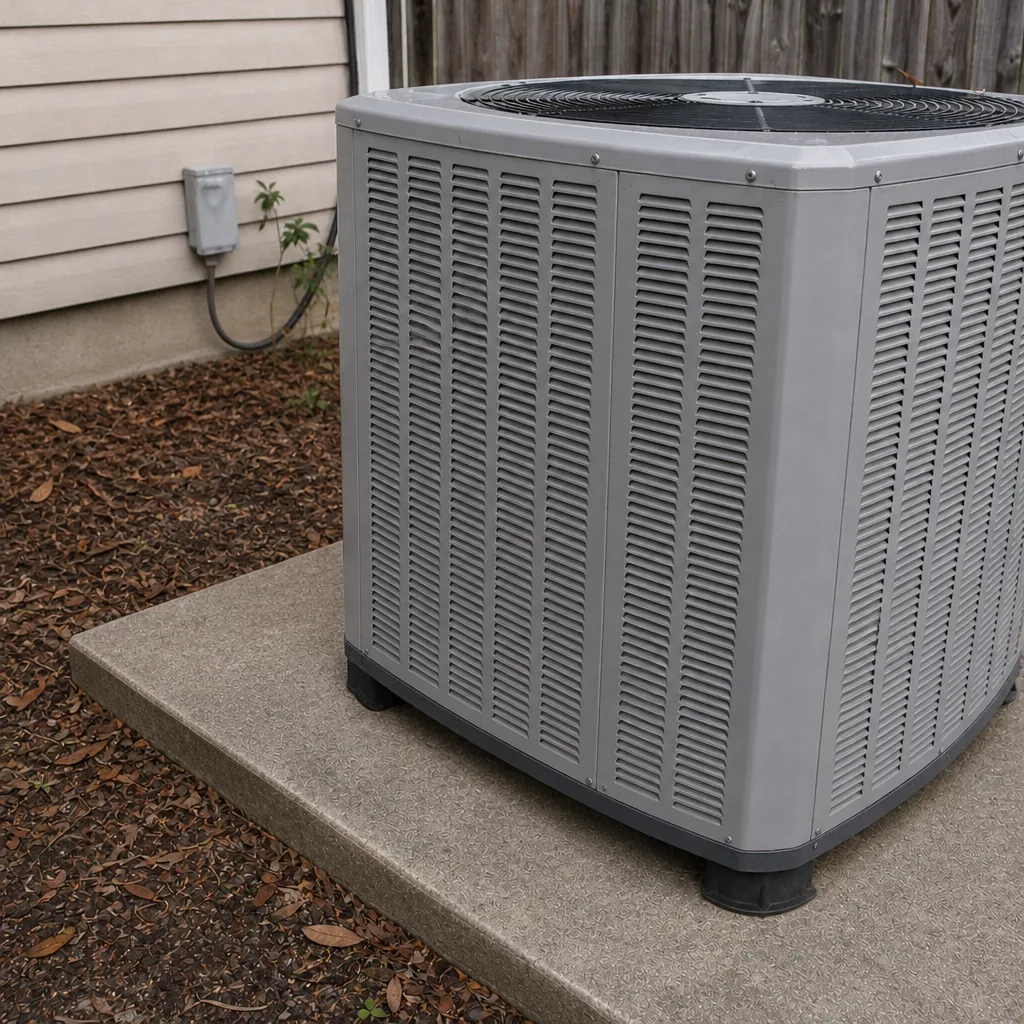
- Clear the outdoor unit’s surroundings. Trim shrubs back at least a couple of feet and make sure nothing is stacked against the condenser. Airflow is how the system rejects heat.
- Test the float switch. Many systems have a condensate float switch that shuts the system down if the drain clogs. If you don’t know where it is, ask during a service visit.
- Check attic insulation and attic ventilation. A cool attic is a cooler house. If the attic gets to be unbearable, address it before summer.
- Record your equipment details. Brand, model, serial, install year, and any recent parts replaced. Put it in a folder or on the fridge.
- Write the emergency contacts down. Service number, cooling center addresses, and the 2-1-1 line. Paper, not just bookmarks.
- Plan the medical-equipment backup. If someone in the home relies on powered equipment, know where you’d go if the power failed, and call the equipment provider about backup power options.
This checklist isn’t a substitute for a service call, and it doesn’t require any tools. The point is to remove the small, predictable problems before summer, so the big ones are rarer. Our technicians have up to 8 years of experience and see these seasonal issues on both cooling and heating equipment all year. If you want one team to cover both your air conditioner and your furnace, see our Mesquite service page to get scheduled.
See the difference
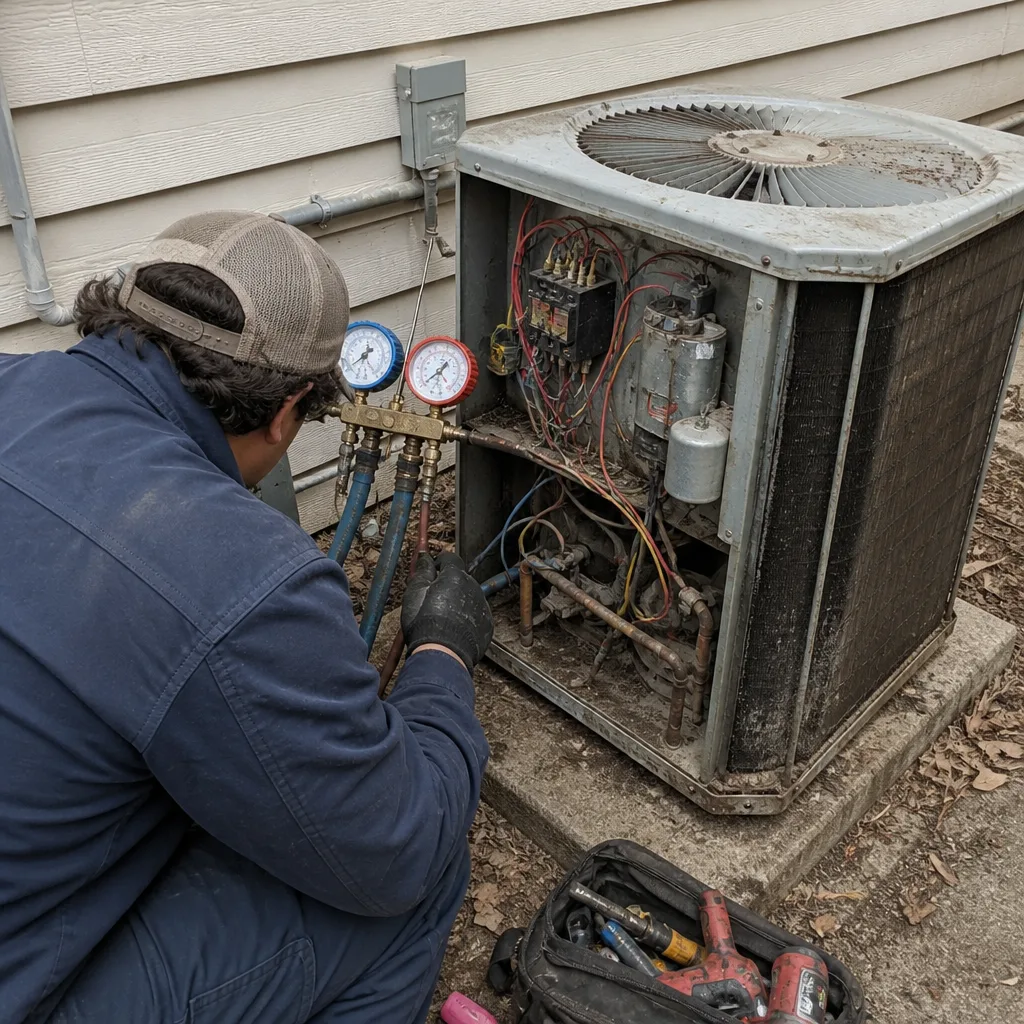 Before
 After
 Before
 After
 Before
 After
Common Mistakes to Avoid
- Waiting for the system to “come back on” on a heat advisory day. A unit that shuts itself down on a high-pressure or overheat safety is telling you something. Cycling it back on repeatedly can cause damage that turns a repair into a replacement.
- Opening windows to cool the house during a heat advisory. When outdoor air is hotter than indoor air, opening windows makes it worse. The instinct is understandable; the physics don’t cooperate.
- Running the AC with ice on the coil. A frozen system will not cool, and running it while frozen can cause compressor damage. Shut it off and call.
- Calling any HVAC number before checking the thermostat and breaker. A dead thermostat battery or a tripped breaker accounts for more “emergencies” than you’d expect. Check the obvious, then call.
- Not mentioning the system brand on the phone. “It’s a York” or “It’s a Daikin” is information the dispatcher can act on. Omitting it slows everything down, especially for less-common model years.
- Waiting until 4pm on a 105°F day to call. Mesquite’s afternoon temperature peak is when everyone else calls too. If your system is struggling at 11am, call then, not after the house heats up.
- Taking a sales quote over the phone before diagnosis. A responsible HVAC company will not name a replacement price for a system nobody has looked at. If you hear a dollar figure before a technician is on site, treat it as a marketing number, not a repair estimate.
When to Call a Professional
Call a licensed HVAC technician when the system runs repeatedly and then trips its breaker, when you see ice on refrigerant lines or the outdoor unit, when there’s any burning smell or smoke, when the outdoor fan is dead or the compressor short-cycles, when you see water where water shouldn’t be, or when a member of the household has a medical need for a cool environment and the system has failed. Those are not DIY situations, and the sooner a trained technician sees the system, the shorter the emergency gets. Whitman AC Repair offers free estimates in Mesquite and works on nine major HVAC brands including Carrier, Trane, Lennox, Goodman, Rheem, York, Daikin, Bryant, and American Standard. If you want help building the emergency plan before summer, or you’re in the middle of one now, call (866) 964-4152. We answer 24/7. Fast dispatch from 7am to 7pm, Sunday through Friday.
Frequently Asked Questions
For most Mesquite homes, indoor temperature can reach uncomfortable and medically significant levels in four to six hours when a failed system coincides with a heat advisory and afternoon sun on a west-facing wall. A well-insulated, well-shaded home holds longer; an under-insulated home or one with no shade will heat faster. Plan for the shorter window and you’ll never be caught off guard. Call (866) 964-4152 to schedule service before the next heat advisory; estimates are free.
You can safely check the thermostat setting, replace the thermostat batteries, and reset the outdoor unit’s breaker once. You should not open panels, reach into the outdoor unit, or attempt to diagnose refrigerant or compressor issues yourself; those are licensed-technician work. If a reset doesn’t restore cooling, call (866) 964-4152 for an exact plan and free estimate.
The most useful single piece of information is the system’s brand and model, because it tells the dispatcher which parts family and which common failures to prepare for. Mention it early, along with system age and what you saw and heard. If you don’t know the brand, we’ll identify it on arrival. Call (866) 964-4152 and we’ll walk through the details with you.
The City of Mesquite’s public library and recreation centers serve as cooling spaces during heat advisories, and Dallas County maintains a wider network; the current list is published by the city when an advisory is active. 2-1-1 Texas connects callers with local heat-relief information. Keep the addresses on paper at home. If your system is down and you’re deciding between a cooling center and a repair, call (866) 964-4152 so we can schedule the visit while you shelter.
An older system that fails during peak summer is worth having diagnosed honestly before you decide, because the decision is different for a York or a Bryant unit that’s otherwise sound versus one that’s failing on multiple fronts. We work on nine major brands including older model years, so we can give you a repair estimate and a replacement estimate side by side and let you choose. No manufacturer kickbacks, no brand bias. Call (866) 964-4152; estimates are free.
No, the price for the job is set by the written estimate, and the estimate is free. Same-day service is available when dispatch capacity allows. We answer 24/7 and dispatch from 7am to 7pm, Sunday through Friday. Call (866) 964-4152 to schedule, and we’ll be straight with you about timing.
The Bottom Line
Mesquite’s HVAC emergencies are heat events first and mechanical failures second. The house that heats up fastest, the occupants most at risk, and the time between failure and dispatch are the three variables that matter. Build the plan in spring: schedule a pre-season check of the cooling side, record the brand and model, keep the filter changed, and write down the cooling center addresses and the service number. When the failure happens, check the thermostat, the breaker, and the filter, then call. Diagnosis, not upselling, drives the fix. Call (866) 964-4152 for a free estimate in Mesquite. We answer 24/7. Fast dispatch from 7am to 7pm, Sunday through Friday.
Written by the team at Whitman AC Repair.