
Last updated November 15, 2026
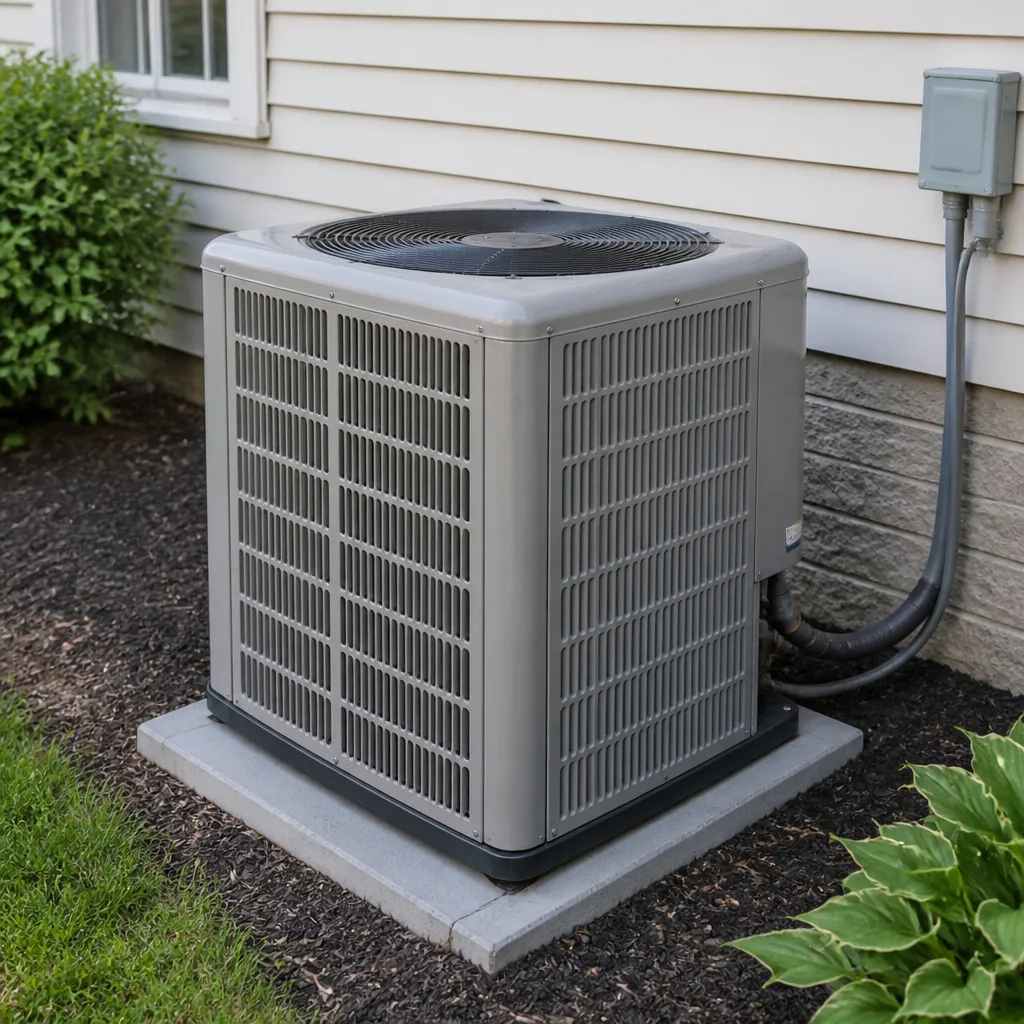 AC repair
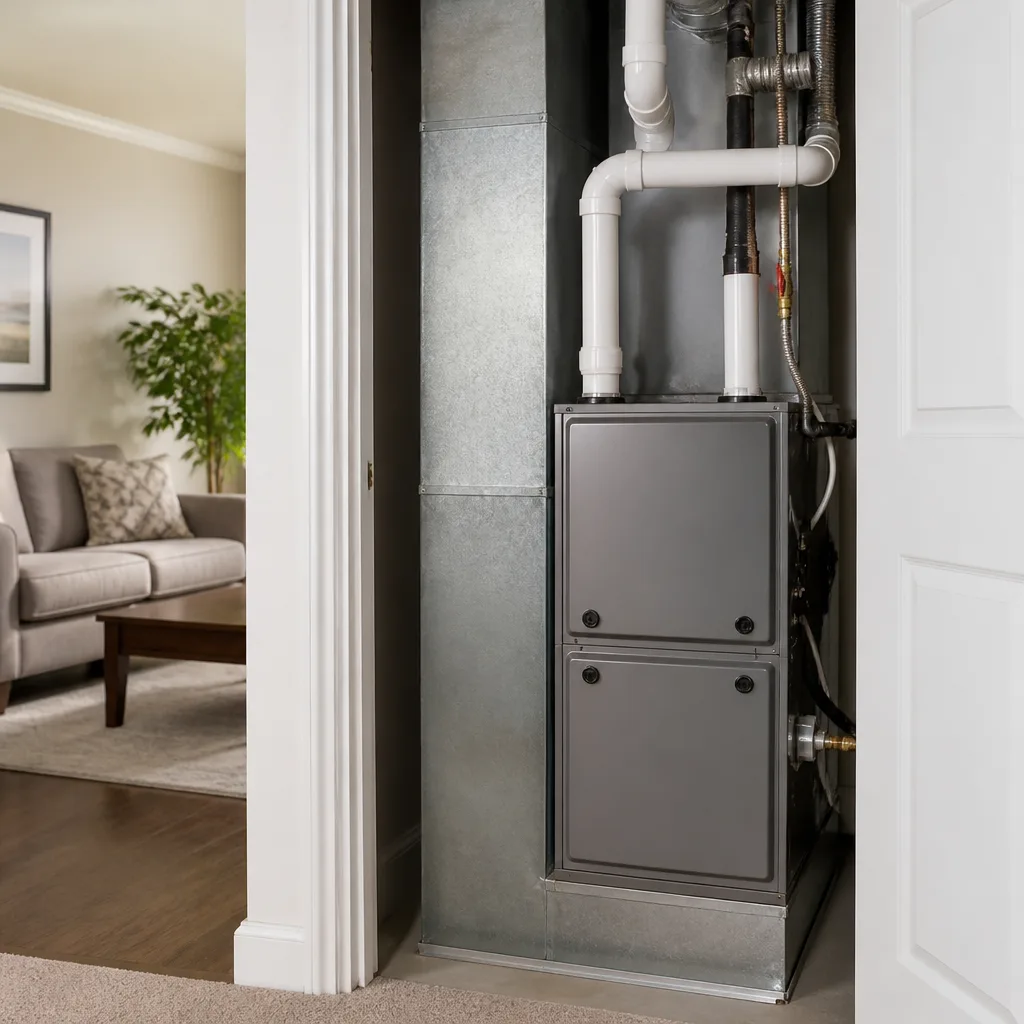 Furnace & heating
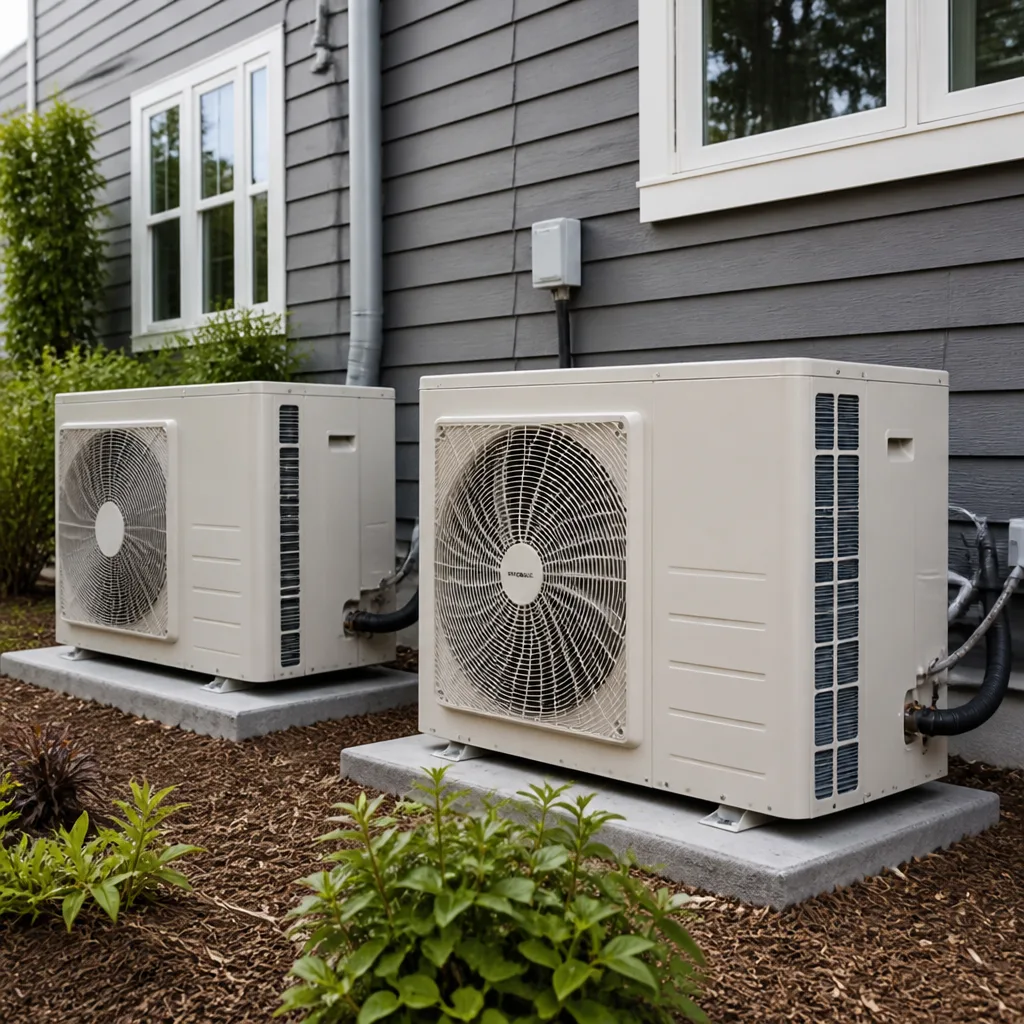 Heat pumps
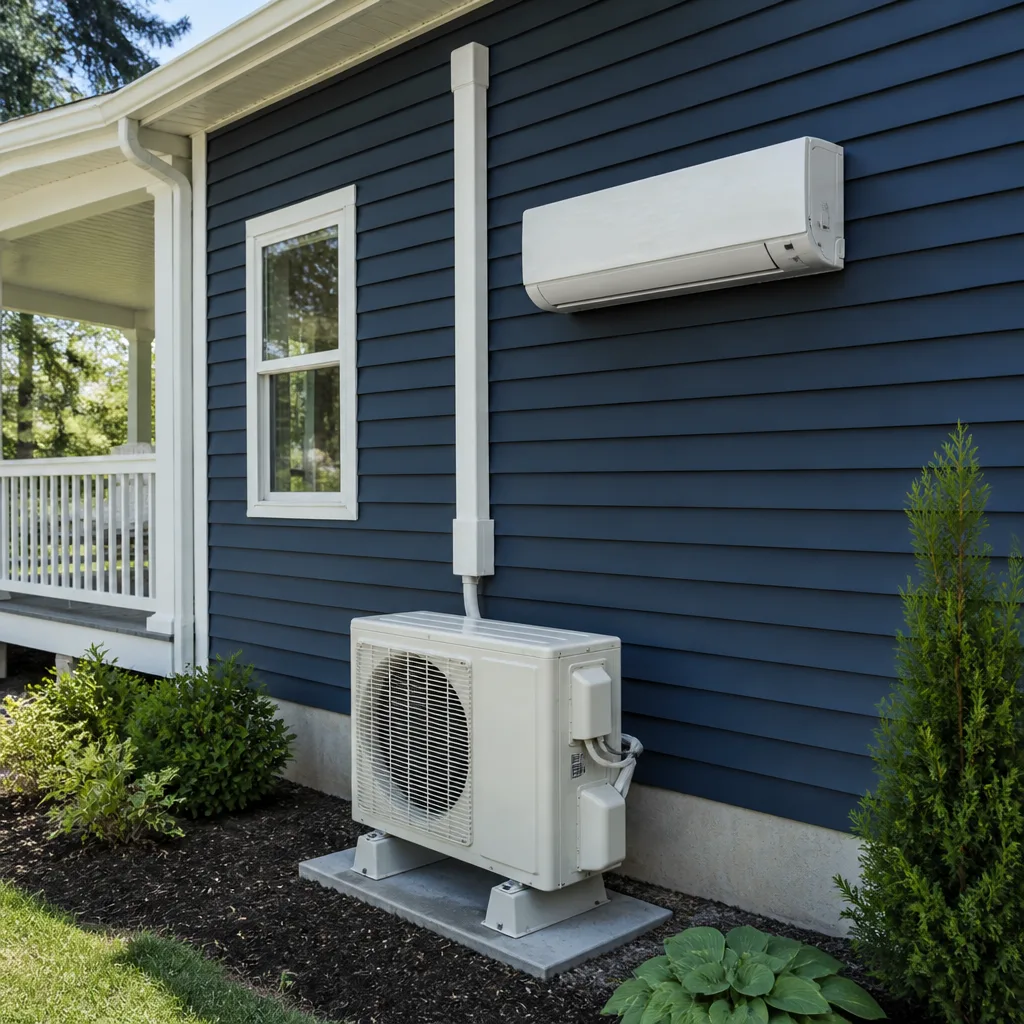 Ductless mini splits
 Carrier
 Trane
 Goodman
Seasonal tune-up and full diagnostic on your Carrier, Trane, or Goodman system - readings shown to you before any repair is proposed
Diagnosis first, numbers second - you approve the repair price before a single part goes in.
Get your free estimateHVAC Warning Signs: A Mesquite Homeowner’s Reference Guide
A heat pump that runs almost nonstop on a 38°F January night in Mesquite isn’t necessarily broken. It may be doing exactly what it was designed to do. That single fact separates a smart service call from an expensive misunderstanding, and it’s the reason this guide is organized the way it is. Warning signs don’t read the same on every system. Short cycling on a gas furnace means something different than short cycling on a heat pump or a package unit. Ice on a coil in June tells a different story than ice on a coil in January. And in a city where the housing stock carries all three system types in real numbers, treating every symptom as an emergency leads to unnecessary calls, while ignoring the signals that actually matter leads to failed compressors and no-cool afternoons in July. Below, we decode the warning signs by system type, by sound, by season, and by urgency, so you can tell a system that’s struggling from a system that’s simply working.
Quick Answer
HVAC warning signs in Mesquite fall into three buckets: signs that mean shut the system off now (burning smells, repeated breaker trips, ice with refrigerant hissing, grinding from the outdoor unit), signs that mean schedule a call this week (short cycling, weak airflow, rising bills, unusual startup sounds), and signs that mean watch and log (longer run times in extreme heat, occasional condensation, minor temperature swings between rooms). The correct read depends on your system type, because a heat pump, a split gas system, and a package unit all fail differently and all behave differently in Mesquite’s humid summers and mild winters.
Styles & brands we work with
- AC repair
- Furnace & heating
- Heat pumps
- Ductless mini splits
- Carrier
- Trane
- Goodman
Table of Contents
- Why System Type Changes Everything
- Short Cycling: What It Means by System Type
- Sounds Decoded by Component
- Humidity, Ice, and the Seasonal Read
- Warning Signs on Mismatched Multi-Brand Systems
- Triage Guide: Off Now, This Week, or Watch
- Safety Signs You Should Never Ignore
- Common Mistakes to Avoid
Why System Type Changes Everything
The first thing we ask a Mesquite homeowner who describes a symptom is what kind of system they have. Not the brand. The type. A Whitman AC Repair technician starts there because the same complaint can point to completely different components depending on the architecture of the equipment.
Split gas systems pair an outdoor air conditioner with an indoor gas furnace and an evaporator coil. The furnace and the AC share ductwork and a blower but run on separate control circuits. When something goes wrong, the symptom usually shows up in one half of the system and stays there. A weak cooling call on a split gas system that still heats fine narrows the fault to the outdoor unit or the coil, not the furnace.
Heat pumps run both heating and cooling through the same refrigerant circuit, with a reversing valve switching the direction of flow. That shared hardware means a single failed component can affect both modes. A heat pump that heats poorly and cools poorly usually has one problem, not two. This is also where the January run-time confusion shows up. Heat pumps move heat rather than generate it, so on a 38°F Mesquite night the system is designed to run long cycles to maintain setpoint. Long run time in cold weather is normal. Long run time plus a cold house plus a system that never reaches setpoint is a warning sign.
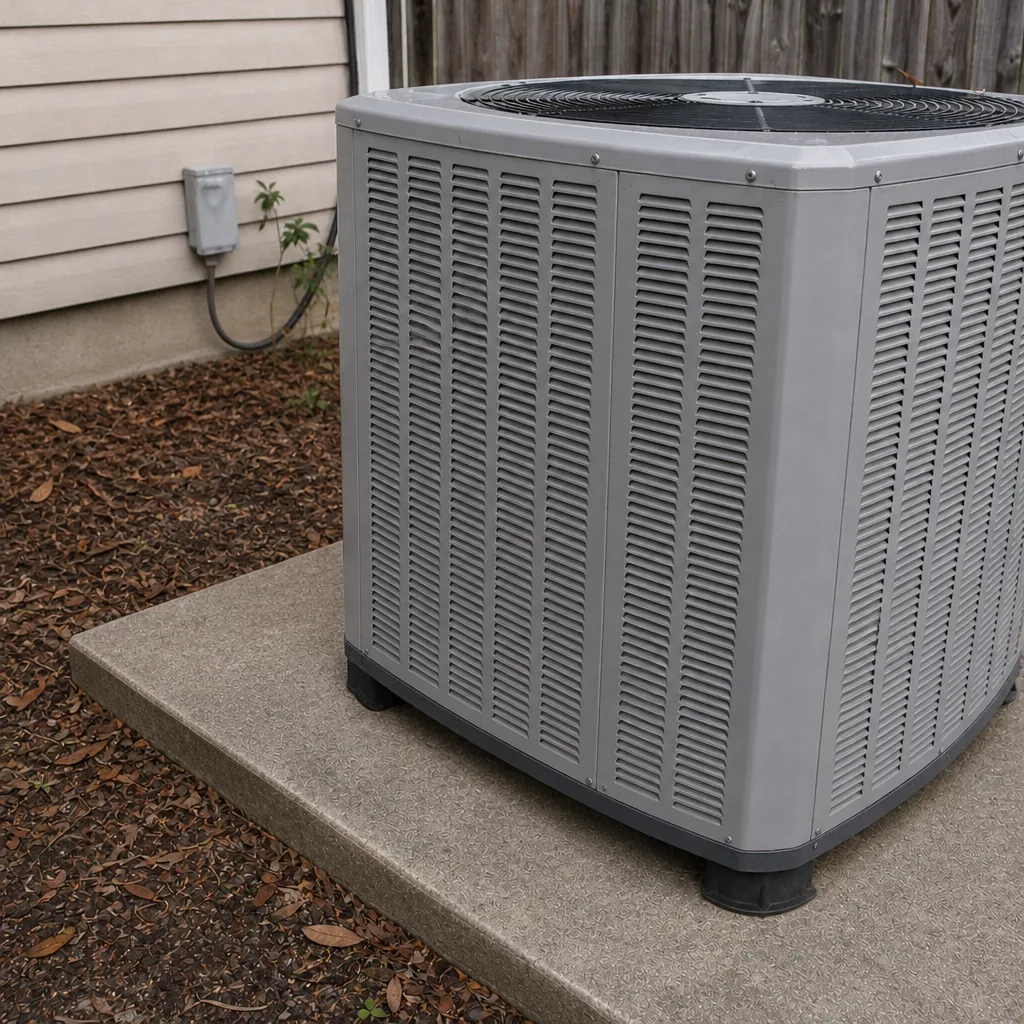
Package units put everything in one outdoor cabinet: compressor, condenser coil, evaporator coil, blower, and often the gas heat section, all in a single chassis on a roof or pad. They’re common in Mesquite’s older neighborhoods where lot layouts or additions made interior closet space impractical. On a package unit, a single fault can take down heating and cooling at once, and airflow problems tend to be more severe because the entire air path runs through one cabinet with less ductwork to absorb the issue.
Our technicians have up to 8 years of experience and are certified to work on Carrier, Trane, Lennox, Goodman, and five other major brands, so the diagnostic path doesn’t get derailed by unfamiliar equipment. If you want the broader service picture, our AC repair page covers what a repair visit looks like in detail.
Short Cycling: What It Means by System Type
Short cycling is the most misread warning sign in residential HVAC. It means the system starts and stops more often than it should, running in short bursts instead of longer, efficient cycles. What causes it depends entirely on the equipment.
On a gas furnace, short cycling often points to a safety limit switch opening. Furnaces have high-temperature limits that cut the burner when the heat exchanger gets too hot, usually because airflow is restricted by a clogged filter, a failing blower, or blocked return air. The furnace lights, runs briefly, trips the limit, and shuts off before the blower has satisfied the thermostat. Repeating this cycle is a real warning sign because a furnace that keeps hitting its high limit is being stressed repeatedly. It’s not a problem to sit on.
On a heat pump, short cycling usually traces to a refrigerant charge issue, a stuck reversing valve, a failing defrost board, or a low-pressure switch tripping. Heat pumps also short cycle in cooling mode when the outdoor unit overheats, which happens more often in Mesquite’s July and August heat when the condenser coil is clogged or airflow around the unit is blocked. If a heat pump short cycles in heating mode on a mild day, the defrost cycle may be running when it shouldn’t.
On a package unit, short cycling frequently comes back to a failing capacitor, a stuck contactor, or a high-head-pressure cutout triggered by a dirty condenser coil. Because the whole system sits outside, the condenser is exposed to pollen, dust, and lawn clippings in a way an indoor portion never is. That exposure profile is why package units in Mesquite need outdoor coil cleaning more often than the manual suggests.
What to log: note whether the system runs for less than a few minutes at a time, whether the indoor fan keeps running when the compressor stops, and whether the behavior is worse during the hottest part of the afternoon. Those three details shorten the diagnostic path and often point directly to the right component.
Sounds Decoded by Component
Every major HVAC component has a failure sound. Learning four of them saves homeowners a lot of guesswork, and helps you describe the problem accurately when you call.
The compressor lives inside the outdoor unit and is the heart of the refrigerant cycle. A healthy compressor makes a steady, low hum. A failing one makes a hard metallic clank on startup, a buzzing that ends in a click, or a rattling that gets louder as the unit runs. Grinding from inside the outdoor cabinet is a shut-it-off signal, not a wait-and-see.
The blower motor moves air through the indoor unit. A healthy blower is a soft rush of air. A failing blower motor squeals, chirps, or rumbles, and those sounds often change pitch with speed. On a system with a failed blower, the thermostat will call for cooling and the outdoor unit will run, but no air will move through the vents. That combination is a turn-it-off scenario because the indoor coil can freeze solid in a short time.
The contactor is an electrical switch that closes to start the outdoor unit. A contactor with pitted contacts chatters, clicks repeatedly, or buzzes loudly before the unit starts. It’s a small part with a big symptom, and contactor chatter is one of the most common causes of a system that “tries to start” and gives up.
The expansion valve meters refrigerant into the evaporator coil. A failing expansion valve often announces itself with a hissing or gurgling sound at the indoor coil, sometimes paired with weak cooling and a coil that frosts unevenly. Hissing alone isn’t a diagnosis, but hissing plus a frozen suction line is.
Two more sounds worth naming. A banging or popping from the ducts when the system starts is usually sheet metal expanding and contracting, and it’s benign. A persistent rattle from the outdoor unit is often a loose fan blade, a worn motor bearing, or debris in the cabinet, and it’s worth a look before it becomes a fan motor replacement.
Humidity, Ice, and the Seasonal Read
Ice on the indoor coil means two very different things in Mesquite depending on the month, and reading it correctly prevents a lot of wasted worry.
Ice in June, July, or August almost always signals a refrigerant problem or an airflow problem. In cooling mode, the coil should run cold and wet, not frozen. Ice forming on the coil during the cooling season usually points to low refrigerant charge, a restricted metering device, or severely restricted airflow from a clogged filter or failing blower. With low charge, the coil runs colder than it should; with low airflow, the coil can’t shed the cold it’s producing. Either way, the system should be turned off and looked at. Running a system with a frozen coil can slug liquid refrigerant back to the compressor, which is the most expensive failure in residential HVAC.
Ice in January or February on a heat pump is often normal. Heat pumps have a defrost cycle that periodically melts frost off the outdoor coil. In heating mode, the outdoor coil runs colder than the outdoor air, so it collects frost and ice by design. You’ll see steam rising off the unit, hear a whoosh when the reversing valve switches, and watch the ice melt away within a few minutes. That’s the system doing its job. Ice that stays put for hours, ice that builds into a solid block, or ice on the indoor coil in heating mode is a warning sign, usually a stuck reversing valve or a failed defrost board.
Mesquite’s summer humidity adds another layer. In a humid climate, a properly charged system removes moisture as a side effect of cooling. A system that cools the house but leaves it feeling clammy is often running short cycles that don’t give the coil enough time to dehumidify. That’s a sign of an oversized system, low airflow, or a control setting that’s cycling too aggressively. Clammy air plus cool temperatures is a real warning sign that gets overlooked.
Airflow settings matter too. Running a blower at a very high speed in Mesquite’s humid months can move air past the coil too quickly for the moisture to condense and drain. We see this in homes where someone set the fan to a higher speed trying to fix a hot room, only to make the whole house feel wetter.
Warning Signs on Mismatched Multi-Brand Systems
A surprising number of HVAC problems in Mesquite come from equipment that doesn’t match itself. A homeowner has a Carrier condenser outside, a Goodman air handler inside, and a Trane thermostat controlling both. Or a package unit gets replaced with one brand while the ductwork was sized for another. These combinations can run fine for years, then start showing warning signs that don’t trace to any single component.
The tell is often load imbalance. Mismatched components can produce airflow that doesn’t match the coil’s capacity, refrigerant charge that can’t be set correctly because the metering device was designed for different equipment, or a blower sized for a different static pressure than the ductwork actually delivers. The symptoms show up as chronic problems: a system that never quite keeps up in August, rooms that are hot in cooling season and cold in heating season, coils that ice over without an obvious charge leak, or compressors that fail earlier than they should.
We see this often enough that our techs treat mismatched equipment as its own diagnostic category. A technician certified on Carrier, Trane, Lennox, Goodman, Rheem, York, Daikin, Bryant, and American Standard can read the nameplate on each component, check the actual system match, and tell you whether the equipment is working as designed or fighting itself. That’s one reason brand-neutral expertise matters: if the answer is “your equipment is mismatched,” a dealer locked into one brand has an obvious incentive to steer you toward a full replacement, while we can explain options that keep working parts working.
If your home has a mismatched system and you want an honest read on whether to repair or replace, see our AC installation page for what a right-sized replacement looks like, or call us for a diagnostic visit. We’ll tell you which parts are worth keeping.
Triage Guide: Off Now, This Week, or Watch
Not every warning sign deserves the same response. Here’s how we triage symptoms when a homeowner calls.
Turn the system off immediately and call:
- Any burning smell, scorched odor, or smell of hot plastic from a vent or the air handler
- Repeated breaker trips when the system starts
- Grinding or metallic clanking from inside the outdoor unit
- A frozen indoor coil with hissing or a refrigerant smell
- Sparks, flickering lights when the system starts, or a breaker that won’t reset
- Any smell of natural gas near a furnace
Schedule a call this week:
- Short cycling, especially on a gas furnace
- Weak airflow from every vent, not just one
- Cooling or heating that never reaches setpoint
- Clammy, humid air in the house while the system runs
- Contactor chatter or repeated startup attempts
- Electric bills that jumped without a change in household usage
- A frozen coil that thawed on its own but the system still underperforms
Watch and log:
- Longer run times during a Mesquite heat wave (normal)
- Longer run times during a mild winter cold snap on a heat pump (often normal)
- Occasional condensation drips from the outdoor unit (normal in cooling mode)
- Minor temperature differences between rooms that haven’t gotten worse
- Duct popping when the system starts
- An outdoor unit that runs slightly louder than it used to but heads and pressures are fine
If you’re watching and logging, note the symptom, the time of day, the outdoor temperature, and whether the behavior correlates with weather. That log is worth more than almost anything else on the diagnostic visit.
Safety Signs You Should Never Ignore
Some HVAC symptoms are safety problems, not comfort problems, and they deserve a different kind of attention. Electrical faults inside a furnace or air handler can start a fire. Gas leaks can cause explosions or carbon monoxide exposure. Refrigerant leaks under pressure can cause injury. None of these are DIY territory, and none of them get better on their own.
If you smell gas near a furnace, leave the house and call your gas utility first. If you smell something burning, shut the system off at the breaker and call us. If a breaker keeps tripping, don’t keep resetting it to “see if it holds” – the breaker is doing its job, and repeated resets can turn a small fault into a bigger one.
For household electrical symptoms, refrigerant issues, and anything involving a furnace that won’t light or won’t stay lit, use a trained professional. We recommend carbon monoxide detectors on every floor of any home with a gas furnace, and we’ll always tell you if we see a safety issue that needs immediate attention. If you’re not sure whether a symptom is urgent, call (866) 964-4152 and describe it. We answer 24/7.
Common Mistakes to Avoid
- Treating every symptom as an emergency. Long run times in Mesquite’s summer heat are often a system doing its job. Calling for a service visit every time the system runs longer than usual leads to unnecessary repair bills and can result in an unnecessary replacement recommendation from a less scrupulous contractor.
- Assuming ice on the coil always means the same thing. Ice in June points to charge or airflow; ice in January on a heat pump is often normal defrost. Reading the season wrong leads to either panic over a healthy system or neglect of a failing one.
- Resetting a tripping breaker to “see if it holds.” A breaker that trips on HVAC startup is reporting a fault, and resetting it can turn a small electrical problem into a fire risk. Shut the system off and call.
- Replacing the thermostat before diagnosing the system. A thermostat that “won’t turn on” is often reporting a system fault rather than causing one. Replacing it without checking the equipment wastes money and leaves the real problem in place.
- Ignoring chronic “not quite keeping up” performance in August. Mesquite homes that never quite hit setpoint through cooling season are usually showing signs of mismatched equipment, low charge, or undersized ductwork. Those problems get worse, not better.
- Blaming the brand when the problem is the match. A mismatched multi-brand system with chronic issues doesn’t need a new brand; it needs a technician who can read the whole system. Changing brands without fixing the mismatch just moves the problem to the next install.
- Waiting for “the AC to fail” before calling anyone. Warning signs are cheap to diagnose and expensive to ignore. A failing contactor is a small repair; a failed compressor is a replacement.
See the difference
 Before
 After
 Before
 After
 Before
 After
When to Call a Professional
Call a professional whenever the symptom touches electricity, gas, refrigerant, or a component you can’t easily diagnose by sound and sight alone. That includes any burning smell, repeated breaker trips, grinding from the outdoor unit, a furnace that won’t stay lit, ice on the indoor coil in cooling season, weak airflow across every vent, and any short cycling that isn’t explained by weather. Also call if your system has chronic mismatched-equipment symptoms you’ve been living with for years – the sooner that pattern gets diagnosed, the fewer parts you end up replacing under stress.
We’ve seen plenty of Mesquite homeowners reach for the phone after a single hot weekend tipped the system over. Getting ahead of the warning signs, even the minor ones, is usually the cheapest path. If you’re unsure whether a symptom is worth the visit, describe it to us and we’ll tell you honestly whether to schedule now or watch for a week. Our Mesquite page covers the local service picture, and free estimates are available when you’re ready to schedule. Call (866) 964-4152. We answer 24/7. Fast dispatch from 7am to 7pm, Sunday through Friday.
Frequently Asked Questions
Usually not. Heat pumps run long cycles in cool weather because they move heat rather than generate it, and they’re designed to run almost continuously to maintain setpoint on a 38°F night. The warning sign is constant running plus a house that never reaches setpoint, a system that ices up fully and doesn’t thaw, or a whooshing defrost cycle that runs on a mild day. If any of those apply, call (866) 964-4152 – estimates are free.
No, and this is the most common misread in Mesquite. Ice in cooling season usually points to low refrigerant charge or restricted airflow and should be looked at right away. Ice on the outdoor unit of a heat pump in January is often the normal defrost cycle melting frost off the coil. When in doubt, shut the system off and call before running it again.
On a gas furnace, short cycling usually means a high-temperature limit switch is tripping because of restricted airflow, often a clogged filter or failing blower. On a heat pump, short cycling usually traces to a refrigerant issue, a stuck reversing valve, or a defrost board problem. On a package unit, a failing capacitor or a dirty outdoor coil is common. The symptom looks identical, but the fix is completely different – which is why diagnosis by system type matters.
You can safely check the air filter, confirm the thermostat is calling for cooling or heating, and listen for the sounds described in this guide. You should not check refrigerant, open an electrical panel, or work near a gas furnace. Those tasks belong to a trained technician. If the system is showing any off-now signs – burning smell, grinding, repeated breaker trips – shut it off and call (866) 964-4152.
A mismatched multi-brand system can run fine for years, so the mix itself isn’t a warning sign. The warning signs are chronic “never quite keeping up” performance, coils that ice without a clear leak, and compressors that fail earlier than expected. Our technicians are certified on Carrier, Trane, Lennox, Goodman, and five other major brands, so we can read the whole system rather than assume the answer is replacement.
The biggest ones are summer humidity making clammy air hide an airflow or charge problem, and heat pump behavior in mild winter weather being misread as a failure. Ultra-low airflow is the other. If every vent feels weak and the system is running but not cooling, that’s usually a filter, blower, or ductwork issue – not a refrigerant issue. Call (866) 964-4152 for a free estimate if you’re not sure.
The Bottom Line
Warning signs on HVAC equipment aren’t universal. A heat pump that runs constantly on a mild night is behaving normally; a gas furnace that runs in short bursts is telling you its airflow is restricted. Ice on the coil means something completely different in June than in January. Short cycling points to a limit switch on a furnace, a refrigerant issue on a heat pump, and a failing capacitor on a package unit. Read the sign against the system, not against a panic list, and triage accordingly: turn it off now for safety signs, schedule this week for performance signs, and watch and log for normal-variation signs. Mesquite homeowners who know the difference call less often and get fewer unnecessary replacements.
Whether your system is a Carrier, a Trane, a Lennox, or a Goodman, our technicians have up to 8 years of experience and are certified across nine major brands. If a warning sign has you wondering, call us and describe it – we’ll tell you honestly whether it needs a visit now or a watchful eye.
Whitman AC Repair provides AC repair, AC installation, and furnace repair for residential customers across Mesquite. One call covers your AC and your furnace. Call (866) 964-4152 for a free estimate. We answer 24/7. Fast dispatch from 7am to 7pm, Sunday through Friday.
Written by the team at Whitman AC Repair.