
Last updated November 15, 2026
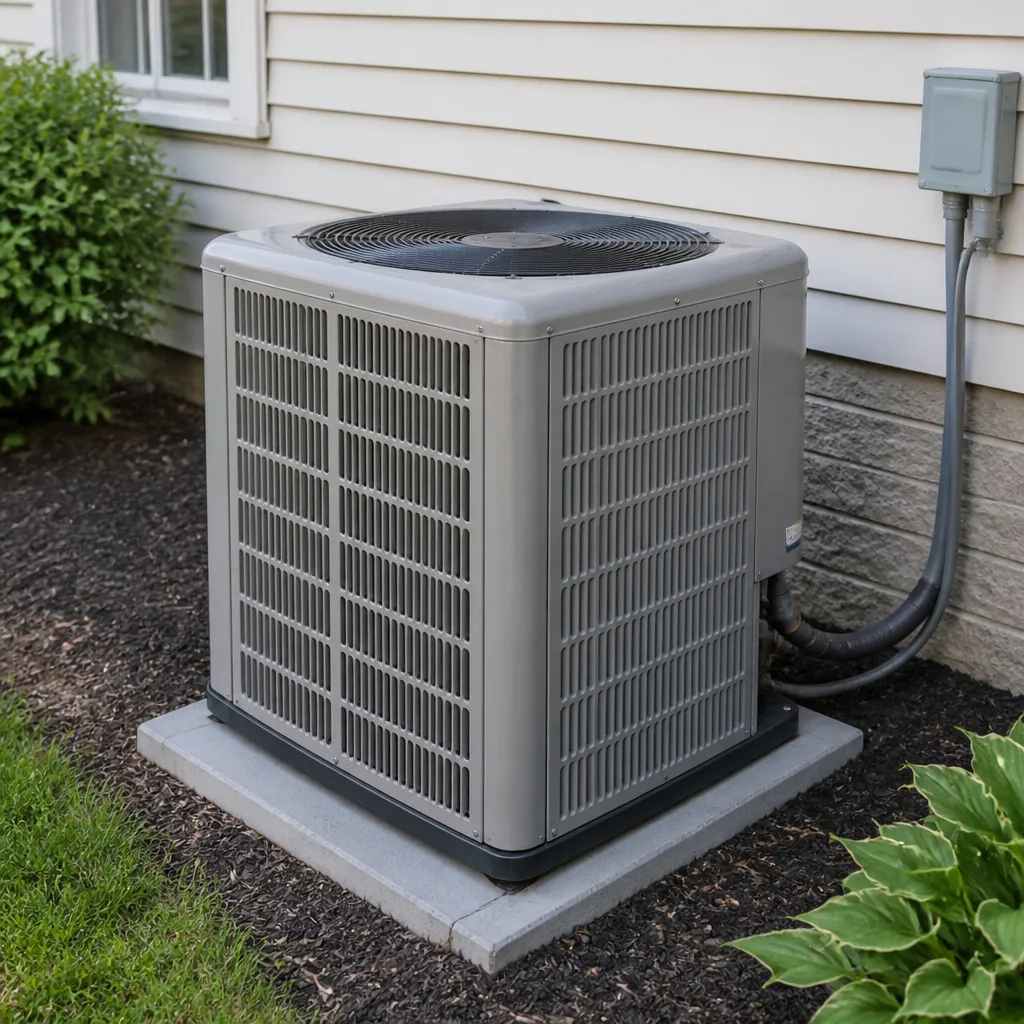 AC repair
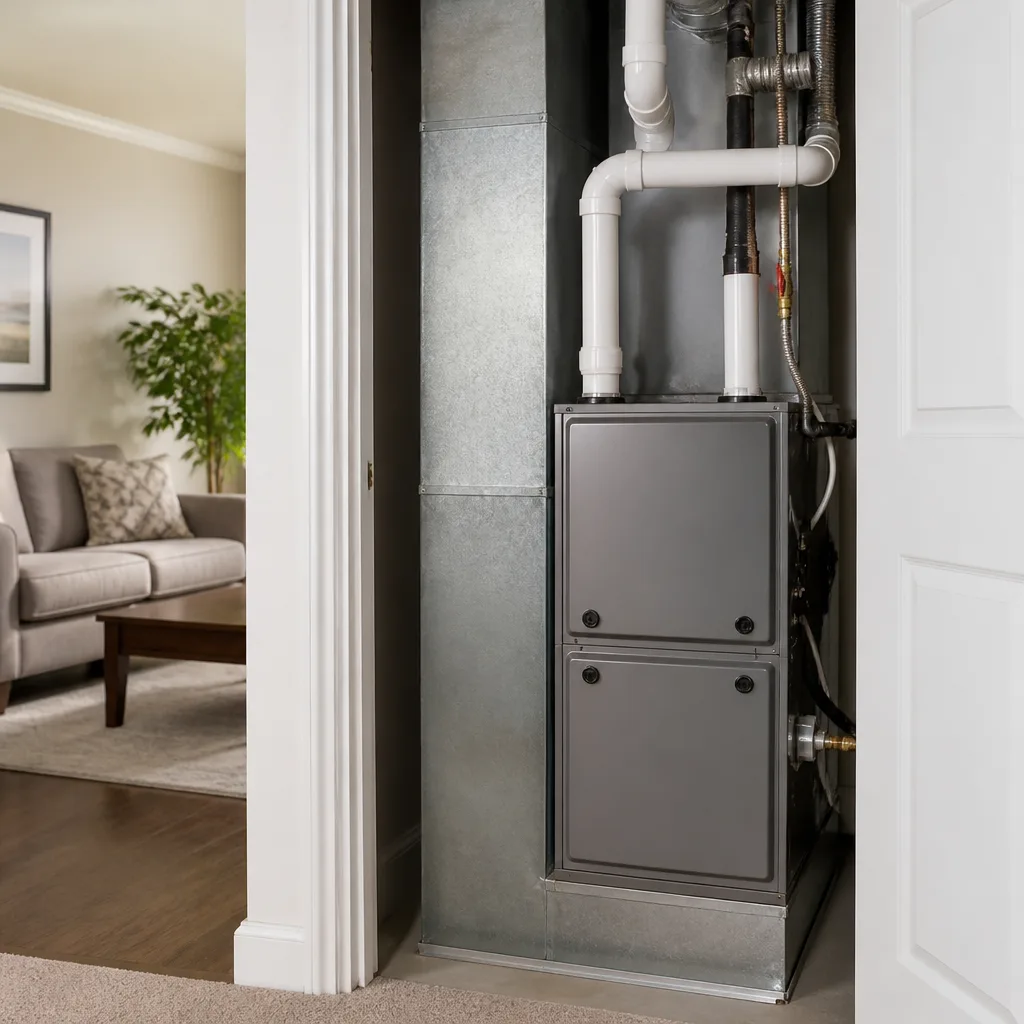 Furnace & heating
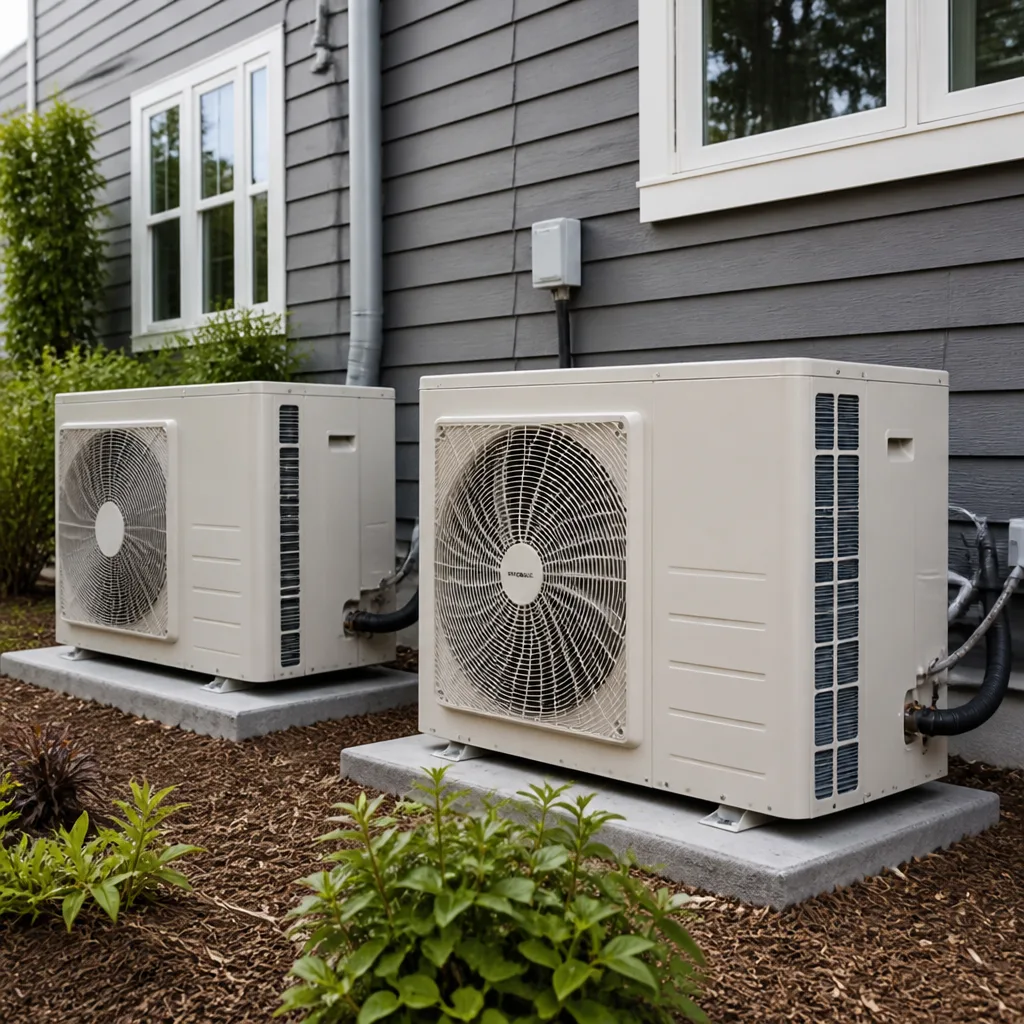 Heat pumps
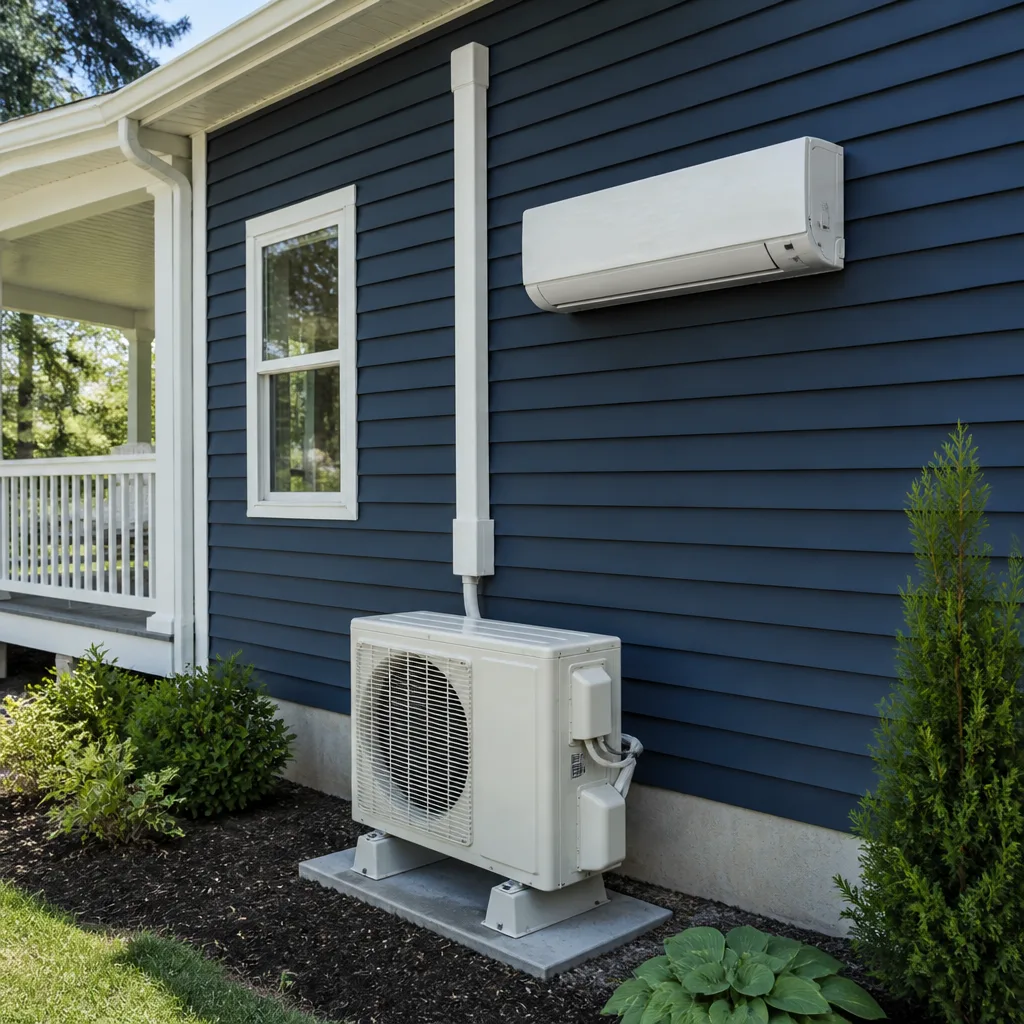 Ductless mini splits
 Carrier
 Trane
 Goodman
Seasonal tune-up and full diagnostic on your Carrier, Trane, or Goodman system - readings shown to you before any repair is proposed
Diagnosis first, numbers second - you approve the repair price before a single part goes in.
Get your free estimateHVAC Permits, Codes & Inspections in Mesquite, TX: What You Need to Know
A refrigerant line repair doesn’t require a permit in Mesquite. A full condenser swap does. The line between those two jobs is where contractors who want to move fast, and homeowners who want to save money, most often cut corners that come back at closing. We’ve watched sellers scramble when a buyer’s inspector asks for the permit record and there isn’t one. This guide walks through the exact permit thresholds under Texas mechanical code, how the City of Mesquite’s Building Inspection Department actually handles HVAC permits, what happens to an insurance claim when unpermitted work surfaces, how to verify a permit was pulled, and the federal refrigerant rules that decide who can legally touch your system. It’s written for Mesquite homeowners who already have a system and want straight answers.
Quick Answer
In Mesquite, a permit is generally required for HVAC work that replaces or installs equipment, adds or relocates ductwork, or alters the mechanical system in a way that requires inspection of the finished work. Routine maintenance, filter changes, and minor component swaps like a capacitor or thermostat are typically maintenance-exempt. The City of Mesquite’s Building Inspection Department issues the permit, and the work must be inspected before it’s considered complete. Your written estimate should say plainly whether a permit is included; if it doesn’t, ask before the crew starts.
Styles & brands we work with
- AC repair
- Furnace & heating
- Heat pumps
- Ductless mini splits
- Carrier
- Trane
- Goodman
Table of Contents
- What Triggers a Permit in Mesquite and What Doesn’t
- How Mesquite’s Building Inspection Department Handles HVAC Permits
- How Long Inspections Actually Take
- What Happens to an Insurance Claim When the Work Was Unpermitted
- How to Verify a Contractor Pulled the Permit
- Refrigerant Rules, EPA Section 608, and Who Can Touch Your System
- The Resale Problem Nobody Warns You About
- Common Mistakes to Avoid
- When to Call a Professional
- Frequently Asked Questions
What Triggers a Permit in Mesquite and What Doesn’t
Most permits fall into a simple pattern: if the job changes the equipment or the system’s physical layout, it needs a permit. If the job restores an existing system to working order without changing its footprint, it usually doesn’t. Texas mechanical code drives this, and Mesquite applies it through its building department. Here’s the split we work with daily.
Work that typically requires a permit in Mesquite:
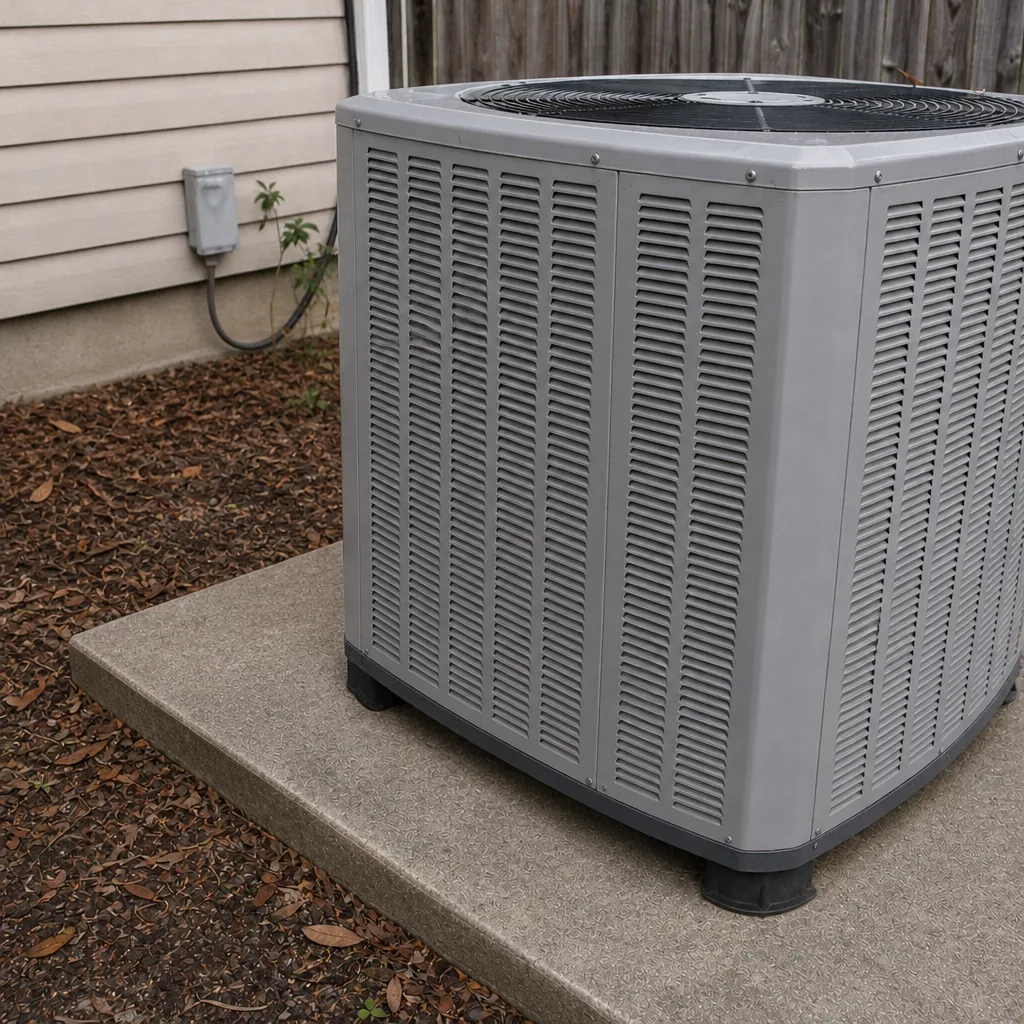
- Replacing an outdoor condenser or the full condensing unit
- Replacing an air handler or furnace
- Installing a new system where none existed, including a mini-split added to a converted garage or addition
- Adding, extending, or significantly rerouting ductwork
- Changing the type of system, such as a gas furnace to a heat pump
- Any alteration that changes the mechanical load calculation for a room or zone
Work that’s generally maintenance-exempt:
- Changing filters and cleaning coils
- Replacing a capacitor, contactor, blower motor, or thermostat
- Checking and adjusting refrigerant charge on an existing sealed system
- Repairing a refrigerant line or brazing a joint on the same equipment
- Tune-ups and seasonal inspections
Those categories are the practical line most contractors and inspectors follow, but the City of Mesquite has the final word on any specific job. A quick call to the Building Inspection Department before scheduling a job is always the safer move. We’ve had homeowners ask us to skip the permit on a condenser replacement to save a few hundred dollars, and we always decline; the paperwork is what protects them, not us. If you’re weighing AC installation against a repair, the permit question alone often clarifies which direction makes sense.
How Mesquite’s Building Inspection Department Handles HVAC Permits
Permits here are issued and inspected by the City of Mesquite’s Building Inspection Department. The process is straightforward, but the timing and sequence matter if you want the job finished in one scheduling block.
- Contractor applies for the permit. This happens before the crew arrives. The application lists the property address, scope of work, equipment being installed, and the licensed contractor who’s responsible.
- Permit is issued, work begins. For most residential changeouts, work can proceed while the permit is active.
- Rough-in inspection. If ductwork or refrigerant lines were altered or replaced, an inspector may want to see the work before it’s covered up or the system is charged and running.
- Final inspection. Once the system is installed, wired, charged, and running, the inspector verifies the finished installation against the permitted scope. This is the step that produces the closed permit record.
- Permit is closed. The city logs the completed inspection, and that record becomes part of the property’s public history.
The homeowner’s role is small but worth knowing: you should receive the permit number and see the inspection sign-off after the job closes. The contractor files, tracks, and schedules the inspection. If your contractor says the permit “isn’t required” for a full condenser replacement, that’s a red flag. Ask why. And if they say they’ll “pull it later,” ask for the permit number before the crew shows up.
How Long Inspections Actually Take
Typical inspection scheduling in Mesquite runs days, not weeks, for standard residential HVAC changeouts. The city publishes its current inspection windows, and the contractor schedules the inspection through the department once the work is ready. The two things that slow a job down aren’t the city; they’re the contractor.
- Permit not pulled before the work started. The inspector can require the work to be opened up or partially redone so it can be verified. That adds time and cost.
- Final inspection failed on the first pass. Usually because equipment was installed differently from what was on the application, or a duct run was added after the permit was filed.
In our experience, a clean residential condenser or furnace replacement with the permit pulled up front and the scope matching the application typically moves through final inspection within one scheduling cycle. When a homeowner calls us because a prior contractor “forgot” the permit, the correction path is longer, and it always starts with a conversation at the Building Inspection Department.
If you’re waiting on an inspection and your system is down in the meantime, call us. We can talk through the repair options while you sort out the permit side. For the system itself, AC repair on an existing unit usually doesn’t require a permit, so a repair can keep you cool while the paperwork on a bigger job sorts itself out.
What Happens to an Insurance Claim When the Work Was Unpermitted
This is the piece nobody explains until it’s too late. If an unpermitted HVAC installation is later tied to a fire, water damage, or a refrigerant release, the insurance adjuster will look at the permit history. When there’s no permit and no final inspection on file, the insurer can argue the work wasn’t done to code and treat the loss differently. That may mean a denied claim, a partial payout, or liability shifting back to the homeowner.
The logic is simple. A permit is the city’s record that the work was inspected. No permit means no independent verification the installation was code-compliant.
- Homeowner insurance. Most policies require work on the property to be done to code. Unpermitted work opens a door for the insurer to investigate whether the loss resulted from a non-code installation.
- A home warranty. Many warranty contracts explicitly exclude systems installed without required permits. A warranty company can refuse a claim outright if no permit record exists.
- Liability direction. In some scenarios, the homeowner is held responsible for the damage caused by an unpermitted installation, particularly when the contractor can’t be located or was never licensed to begin with.
We’re not attorneys and we’re not adjusters, so we won’t pretend to give legal or insurance advice. But we can tell you what we see: the permit record is the piece of paper that makes the insurance conversation go your way. It’s cheaper than the alternative every time.
How to Verify a Contractor Pulled the Permit
You don’t have to take a contractor’s word for it. Permits are public records, and the City of Mesquite’s Building Inspection Department can confirm whether a permit was issued for your address and what its status is. Here’s the process we recommend.
- Ask for the permit number before work begins. A reputable contractor can give it to you in writing, on the estimate or in a follow-up email.
- Call the Building Inspection Department and confirm. Give them your address and ask if a permit has been issued for HVAC work at that property, who the contractor of record is, and what the inspection status is.
- Get the inspection sign-off after the job. The final inspection is what closes the permit. Ask for the sign-off number or a copy of the inspection record.
- If the contractor won’t provide the number, hold the final payment. That’s the leverage that gets the paperwork finished.
What to do if the contractor said they pulled a permit and didn’t: First, confirm the status with the Building Inspection Department before assuming anything. Sometimes a permit is filed under a slightly different address format or under a company name. If it truly wasn’t pulled, the contractor has two paths: pull it retroactively if the city allows, or the homeowner files a complaint with the city. Retroactive permits often require the work to be verified by inspection, which may mean opening up ductwork or disconnecting and re-checking the system. That’s the outcome contractors try to avoid by skipping the permit in the first place.
One thing that makes this easier on your end: ask about the permit on the first call, not after the work. Any contractor who hesitates at that question is telling you something. Our team includes the permit line in the estimate by default for permitted work, so there’s no surprise at the end.
Refrigerant Rules, EPA Section 608, and Who Can Touch Your System
Refrigerant is a federal matter, not just a city one. Under Section 608 of the Clean Air Act, only technicians who hold the proper EPA certification can legally buy, handle, recover, or dispose of refrigerant. This is why a handyman, even a good one, is not the right person to “top off” your system. It’s also why the refrigerant portion of a job is the piece most likely to be mishandled when a homeowner hires outside the licensed HVAC trade.
What that means practically in Mesquite:
- Any work that touches refrigerant – adding charge, recovering it, brazing a line set, replacing a compressor, or decommissioning equipment – should be done by an EPA-certified technician.
- Refrigerant can’t legally be vented to the atmosphere. It must be recovered into approved equipment.
- If your system uses an older refrigerant, the rules around recover, recycle, and replacement apply just as strictly. Some refrigerants are being phased down nationally, which affects cost and availability, not the rules.
- The certification protects you too: mishandled refrigerant can damage the compressor, void the equipment warranty, and create a safety issue.
When you’re comparing estimates for anything refrigerant-related, ask the technician whether they hold EPA Section 608 certification. A straight yes is the answer. If it’s a vague response, that’s your answer too. Whether you own a York system, a Bryant, an American Standard, or a Daikin, the refrigerant rules are identical; only the equipment changes. That’s part of why we service all major brands. The certification is where the line sits.
The Resale Problem Nobody Warns You About
Permit issues rarely stay quiet. They surface at resale. Here’s how it usually goes: a buyer’s inspector spots a shiny new condenser or a duct job that doesn’t match the age of the house, and asks for the permit record. If the seller can’t produce it, the buyer’s agent asks for a price reduction, or the deal gets delayed while the seller tries to pull a retroactive permit. In Mesquite’s market, where a lot of homes are 1980s and 1990s construction with HVAC systems that have been replaced once already, this comes up more than you’d expect.
The fix isn’t dramatic. When a system is being replaced, insist on the permit and the inspection sign-off before final payment. Keep the paperwork in the same folder as the warranty and the equipment manual. If you ever sell, you’ll have exactly what the buyer’s inspector asks for.
On the buy side, if you’re purchasing a home in Mesquite and the HVAC is new, request the permit history before you remove contingencies. That one check is worth more than a home warranty on the system, because a warranty company will ask for the same records.
See the difference
 Before
 After
 Before
 After
 Before
 After
HVAC Codes, Load Calculations, and Why the Permit Is Really About the Whole Job
The permit isn’t just a fee and a signature. It’s the city’s check that the installation follows the mechanical code adopted in Texas and enforced in Mesquite. In practical terms, that means an inspector can verify the equipment is rated for the application, ductwork is sized for the airflow, electrical connections are made properly, and the system is safe to operate. When you’re ready for a replacement, the process we follow is straightforward: measure the house, run a load calculation, quote the right size the first time, and pull the permit before ordering equipment.
Undersized equipment works harder than it should, and a permit review is one of the few places that gets caught. It’s also one of the reasons we insist on doing the load calculation for any full replacement we quote. Our technicians have up to 8 years of experience working on residential systems in Mesquite, and the most common problem we find during an inspection is a prior install that was sized by guesswork. If your next question is about Mesquite HVAC codes for your specific property, calling the Building Inspection Department is the most accurate path. If your next question is “what size do I actually need?” our estimate answers it.
Common Mistakes to Avoid
- Assuming a full condenser swap doesn’t need a permit because the line set is being reused. The equipment replacement is what triggers the permit, not the refrigerant lines. A contractor who says otherwise is either misinformed or avoiding the paperwork.
- Paying the full invoice before the final inspection closes. Hold the last payment until the inspection sign-off is in hand. That’s the only leverage that ensures the paperwork actually happens.
- Letting a handyman touch refrigerant. Without EPA Section 608 certification, that’s a federal violation and a warranty risk. The savings won’t cover what comes after.
- Replacing equipment without a load calculation. A permit review won’t catch a properly sized unit that’s wrong for the house; only a real calculation will. Ask for it in writing.
- Not keeping the permit record at resale. The permit is part of the property record, but you should also have a copy. A buyer’s inspector asking for it with no answer is a common reason deals slow down.
- Believing ductwork is maintenance. Extending or rerouting ducts is a permitted alteration in Mesquite, not a tune-up. Treat it accordingly.
- Skipping the permit to shave the estimate. The savings look real until insurance, warranty, or resale catches up. This is where corners cost the most.
When to Call a Professional
Call a licensed HVAC contractor before you sign an estimate that includes equipment replacement, duct extension, or a system change. Not after. Get the permit question answered up front, ask for the load calculation on any full replacement, and confirm EPA Section 608 certification for any work that touches refrigerant. Verify the permit number with the Building Inspection Department before the crew arrives, and don’t release final payment until the final inspection is closed. If a system has failed and the repair doesn’t require a permit, you can handle that faster – but anything involving refrigerant, a full unit, or new ductwork is a licensed technician’s job. Whitman AC Repair offers free estimates in Mesquite – call (866) 964-4152. We answer 24/7. Fast dispatch from 7am to 7pm, Sunday through Friday. One call covers your AC and your furnace, and we work on your brand.
Frequently Asked Questions
Yes. Replacing a condenser, air handler, or furnace in Mesquite typically requires a permit from the City of Mesquite’s Building Inspection Department, and the job should be inspected before it’s considered complete. Permits for maintenance-level work, like changing a capacitor or thermostat, generally aren’t required. Call (866) 964-4152 for a free estimate – we include the permit line for any permitted work.
Usually no. A refrigerant line repair or braze on existing equipment is typically treated as maintenance and doesn’t trigger a permit. It does require an EPA Section 608 certified technician, and the refrigerant must be recovered, not vented. If the repair turns into a full equipment replacement, the permit applies. Call (866) 964-4152 if you’re unsure which category your job is in.
Ask the contractor for the permit number before work begins, then call the City of Mesquite’s Building Inspection Department and confirm the permit is issued to your address with that contractor as the responsible party. After the job, ask for the final inspection sign-off. If the contractor can’t provide the number, hold final payment. Call (866) 964-4152 if you’d like to talk through your options for a job that was done without a permit.
It can, yes. Most home warranty contracts require permitted work, and insurance companies can treat unpermitted installations as non-code work during a claim investigation. That may mean a denied or reduced claim. The permit record is the documentation that keeps the conversation on your side. Call (866) 964-4152 for a free estimate on the system itself.
Only technicians certified under EPA Section 608 of the Clean Air Act. That certification covers purchasing, handling, recovering, and disposing of refrigerant. A handyman or general contractor without it can’t legally touch your system’s refrigerant, and doing so can damage equipment and void the warranty. Our technicians are trained and certified for this work. Call (866) 964-4152 for a free estimate.
Yes. Installing a new system where none existed, including a mini-split in a converted garage or addition, requires a permit in Mesquite because it’s a new mechanical installation, not a repair. The job will need inspection, and load calculation should come first. Call (866) 964-4152 for a free estimate – we run the load calculation and quote the correct size before any permit is pulled.
The Bottom Line
The permit question comes down to one line: equipment replacement, new installs, and ductwork need a permit in Mesquite, and routine maintenance doesn’t. The permit is the city’s record that the work was inspected, and it’s the same record your insurer, your warranty company, and a buyer’s inspector will ask for. Get the permit number before work starts, hold final payment until the inspection closes, and confirm EPA Section 608 certification for anything touching refrigerant. That covers the paperwork and the trade. Call (866) 964-4152 for a free estimate. We answer 24/7. Fast dispatch from 7am to 7pm, Sunday through Friday. We work on your brand.
Written by the team at Whitman AC Repair.