
Last updated November 15, 2026
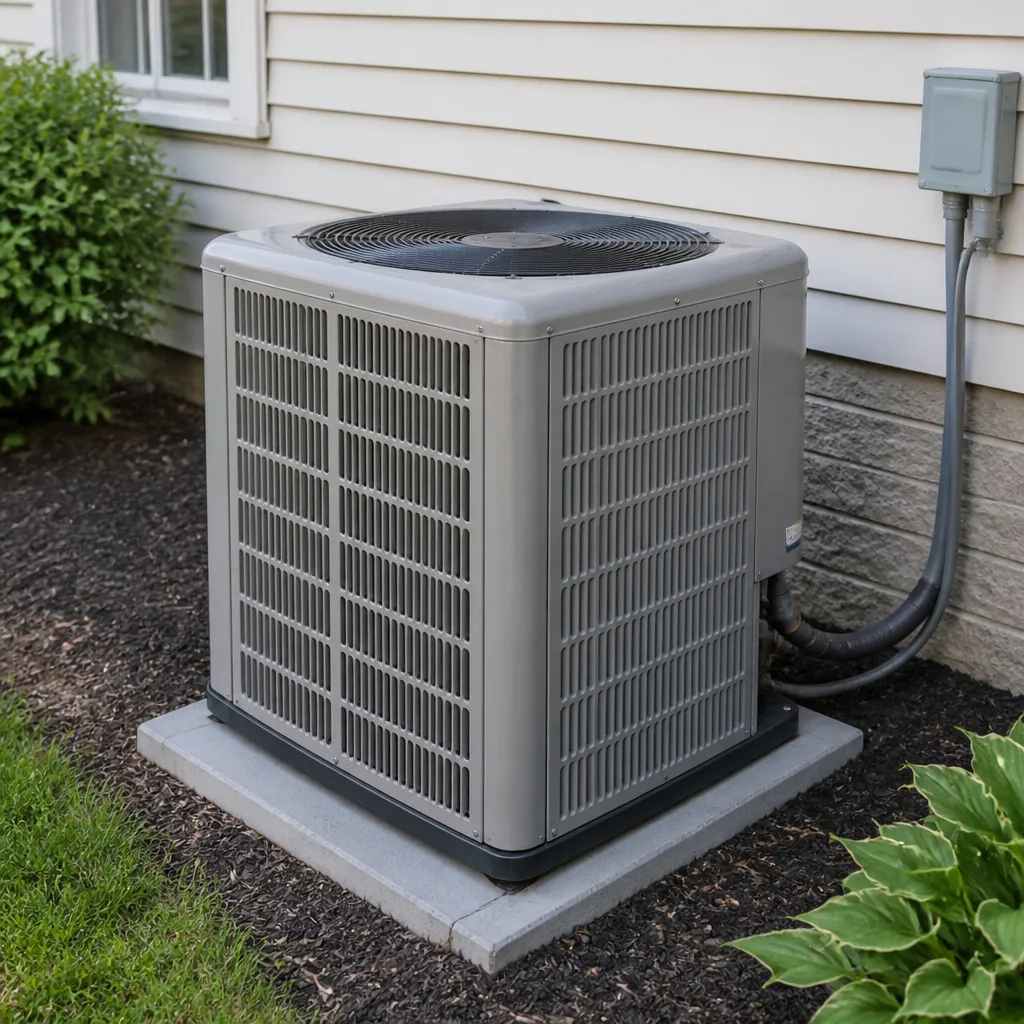 AC repair
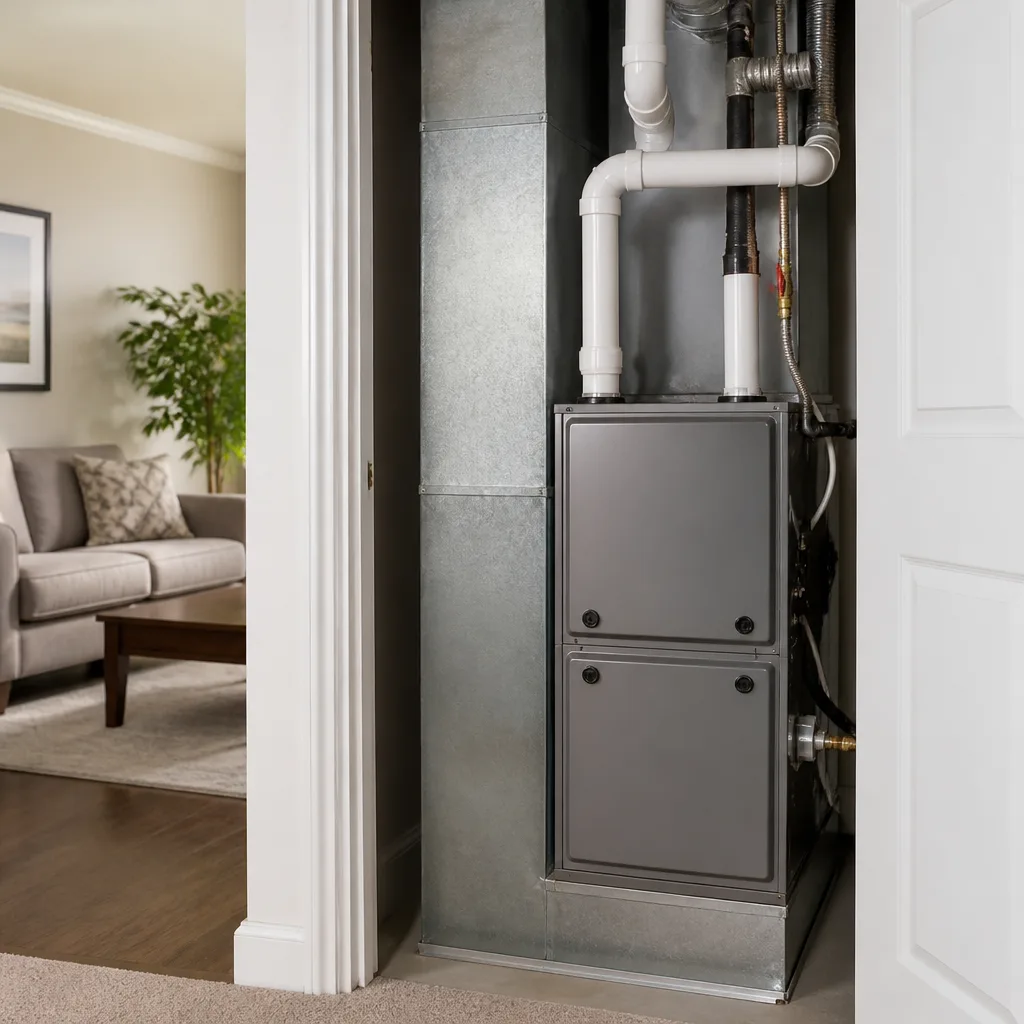 Furnace & heating
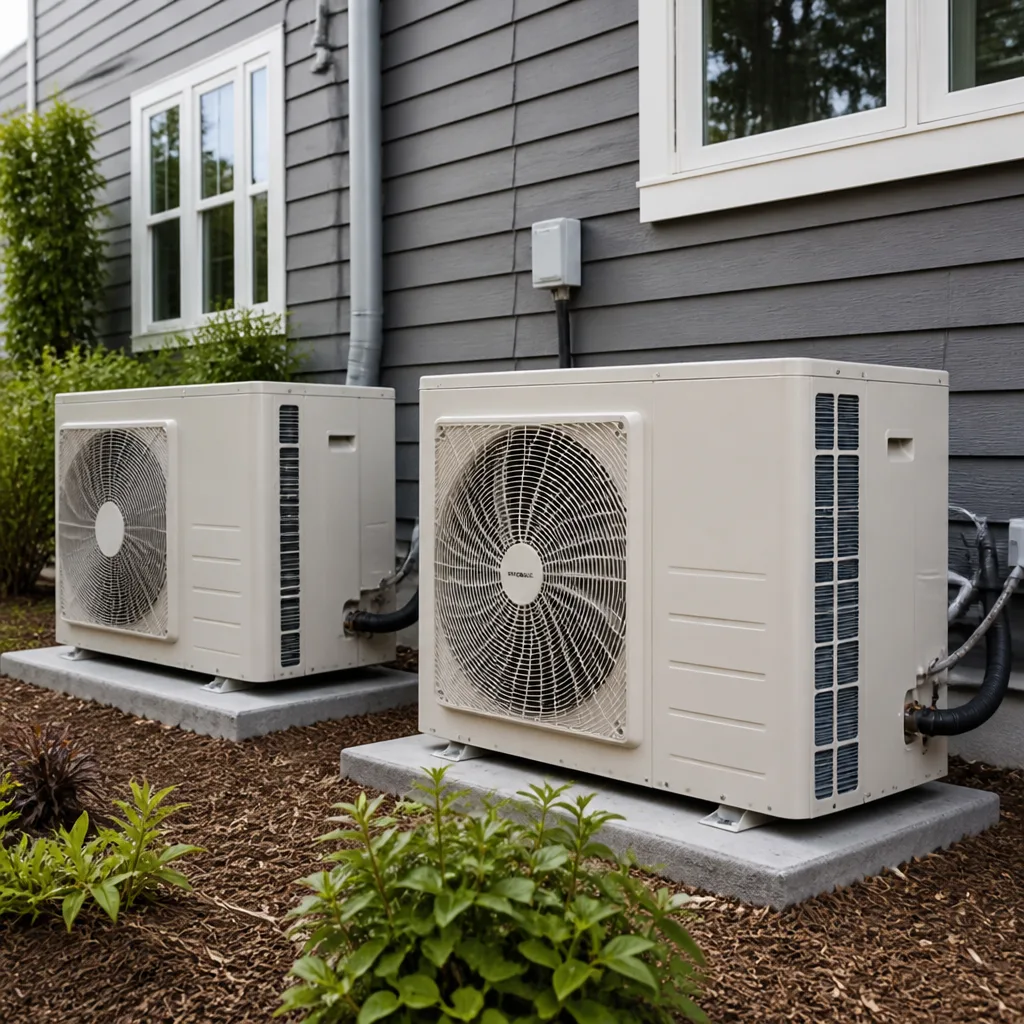 Heat pumps
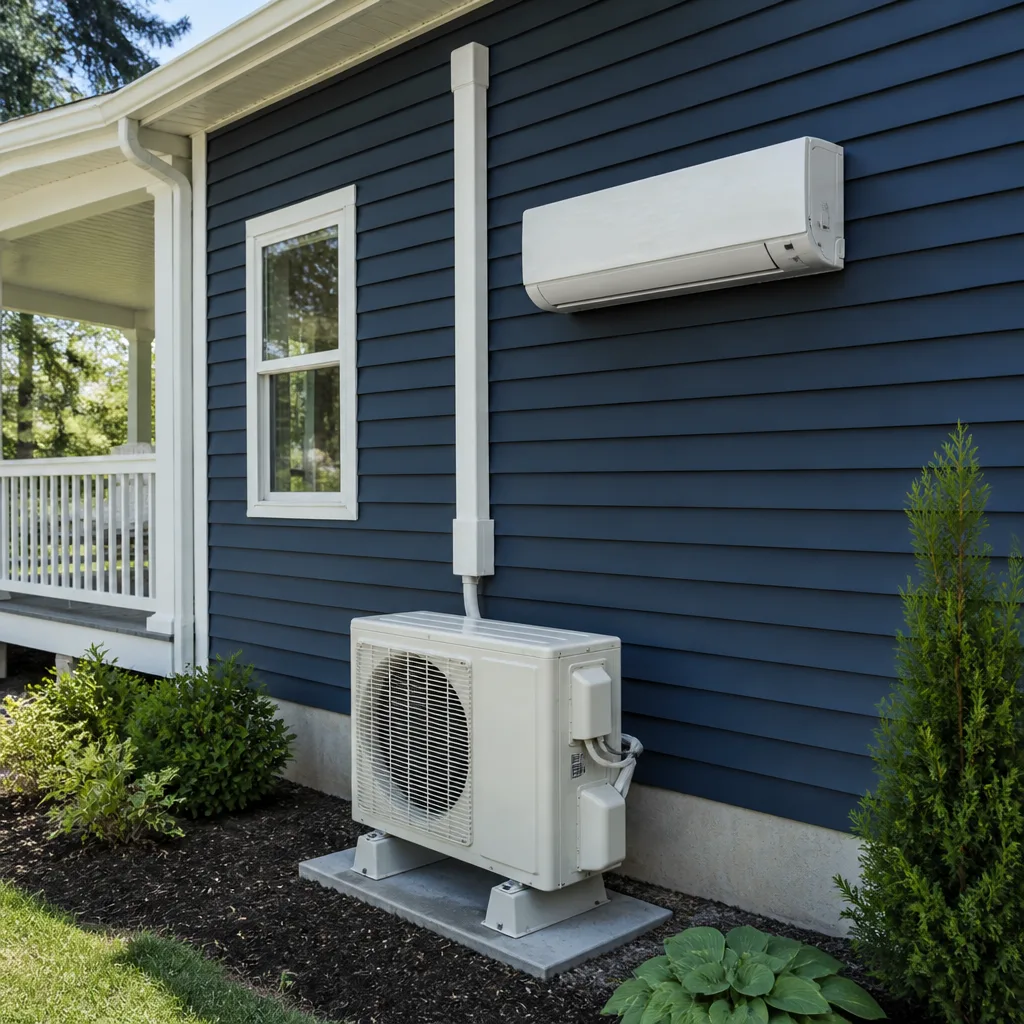 Ductless mini splits
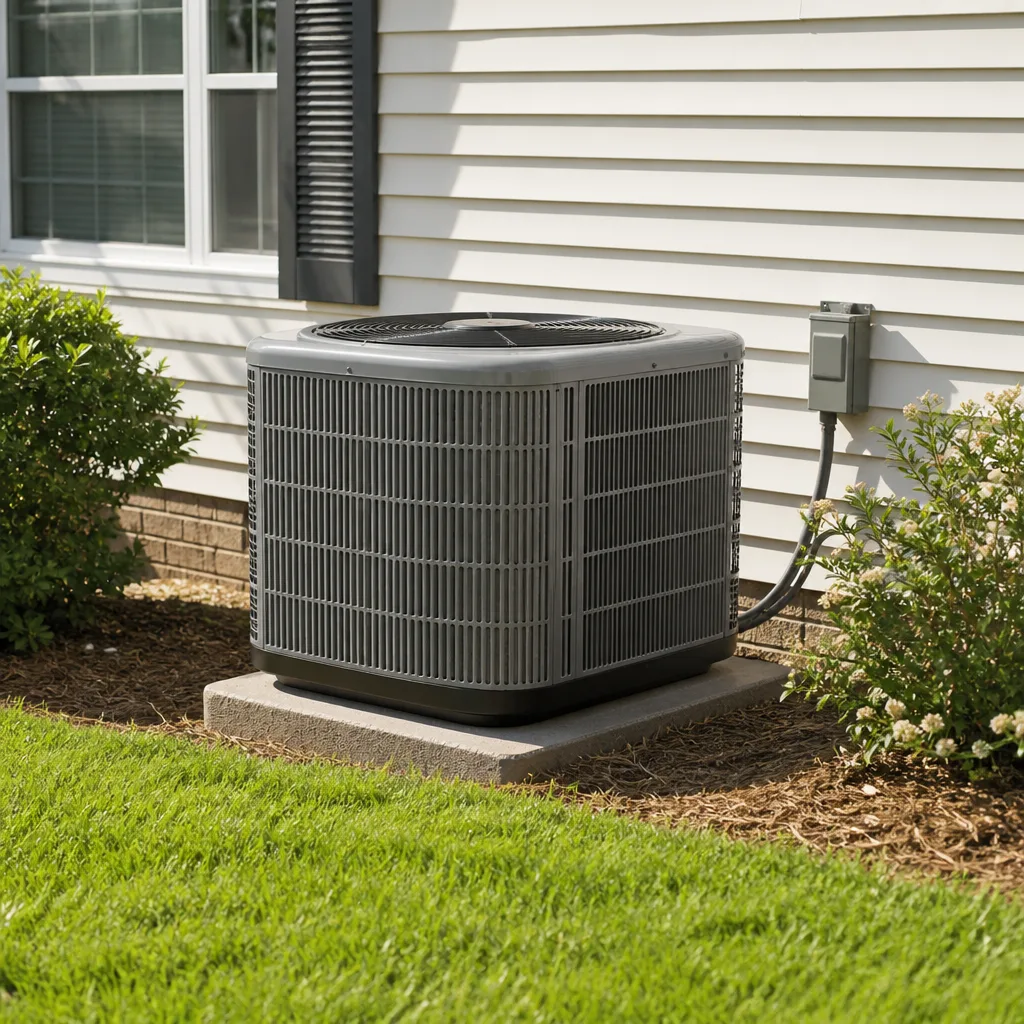 Carrier
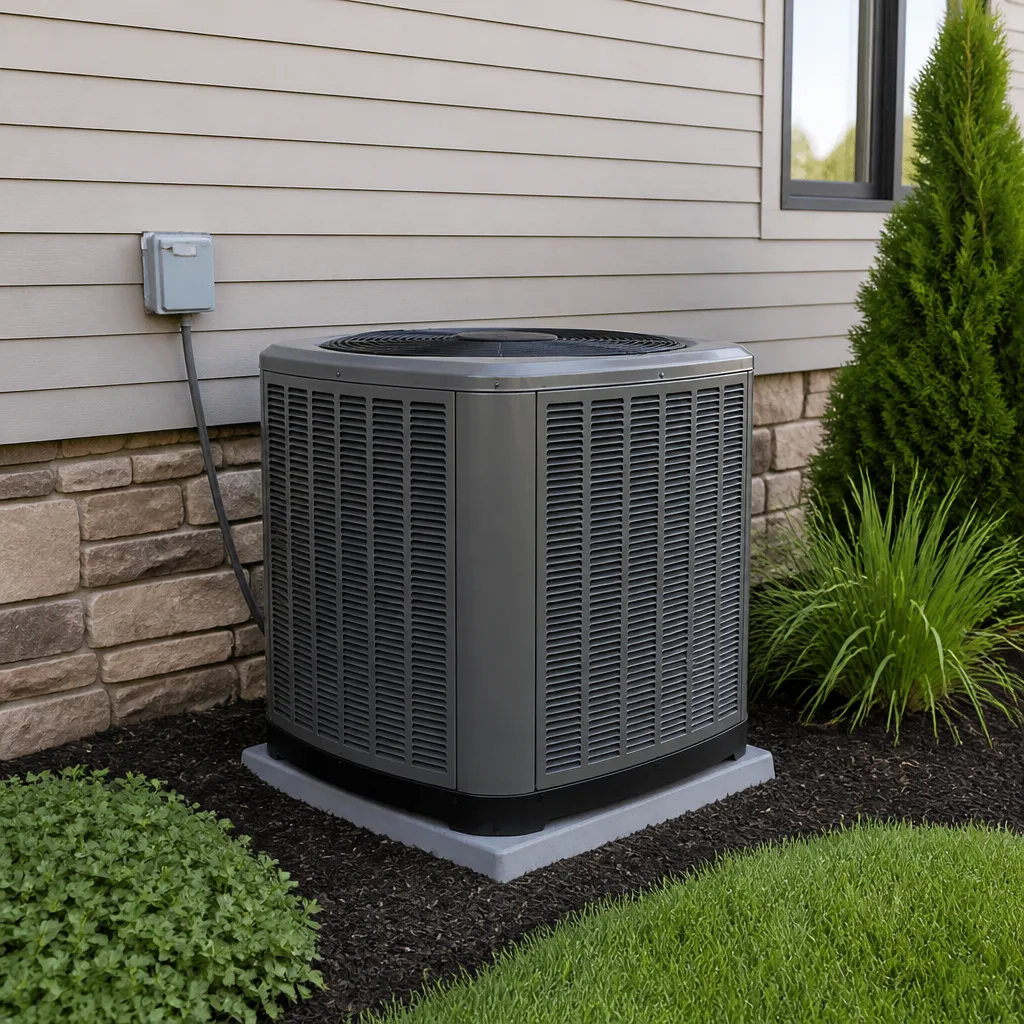 Trane
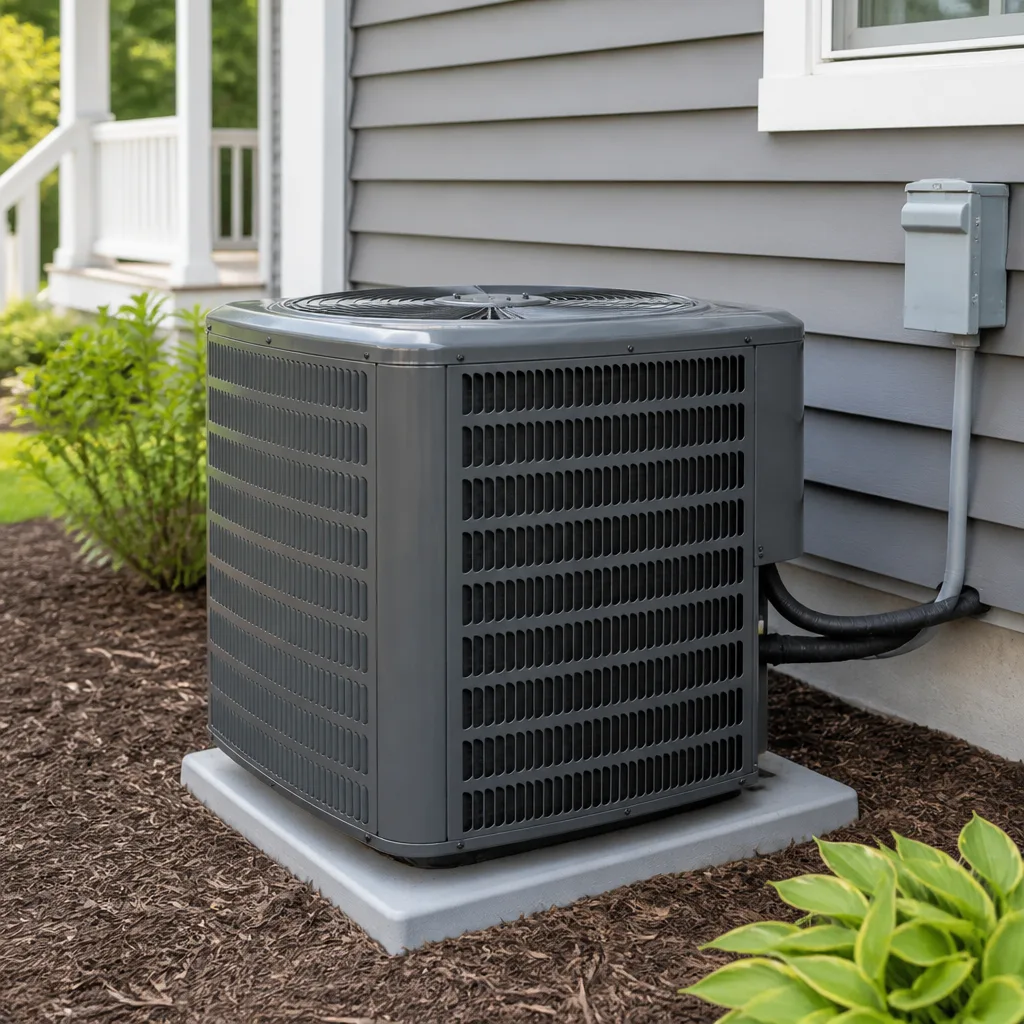 Goodman
Seasonal tune-up and full diagnostic on your Carrier, Trane, or Goodman system - readings shown to you before any repair is proposed
Diagnosis first, numbers second - you approve the repair price before a single part goes in.
Get your free estimateHow to Hire an HVAC Contractor in Mesquite: A Step-by-Step Guide
Most hiring advice tells you to get three quotes and pick the middle one. That advice quietly fails in Mesquite, because the biggest variable in an HVAC bid isn’t price. It’s what the contractor is equipped to see. A dealer locked to one manufacturer’s line tends to diagnose toward that line, which means the “your system is on its last legs” verdict you hear may say more about their inventory than your equipment. The first question an HVAC contractor asks tells you a lot: if it’s “what brand do you want?” instead of “what brand do you have and what’s it doing?”, you’ve learned whose interests the diagnosis will serve. This guide walks through licensing, the questions that expose a narrow specialist, red flags specific to Mesquite, and how to read repair-versus-replace recommendations without getting steered.
Quick Answer
To hire an HVAC contractor in Mesquite, verify the company’s Texas license through the TDLR database, confirm it can service the brand of equipment you already own, ask whether it pulls permits for the work, and get a written estimate that separates the repair price from the replacement price. The single most protective step is choosing a multi-brand specialist: a company that works on your existing system diagnoses what’s actually wrong, while a single-brand dealer often recommends the equipment they sell.
Styles & brands we work with
- AC repair
- Furnace & heating
- Heat pumps
- Ductless mini splits
- Carrier
- Trane
- Goodman
Table of Contents
- Why Brand Breadth Matters More Than the Bid
- Step 1: Verify the Texas License Through TDLR
- Step 2: Understand What License Classes Mean for Your Job
- Step 3: Ask the Questions That Reveal Brand Coverage
- Step 4: Confirm Permits and Code Compliance in Mesquite
- What a Multi-Brand Diagnosis Looks Like
- Step 5: Read Repair vs. Replace Quotes Without Getting Sold
- Why Mesquite’s Climate Shapes the Hiring Decision
Why Brand Breadth Matters More Than the Bid
The standard hiring checklist is price, reviews, and a written estimate. All three matter. None of them tell you whether the person standing at your condenser can actually service a Lennox, a Goodman, or a Rheem without guessing. Brand breadth is the variable homeowners skip, and it’s the one that decides whether you get a repair or an upsell.
Here’s the mechanism. A dealer who sells one manufacturer’s line has a natural pull toward replacement, because replacement means new equipment sold through them. That pull doesn’t have to be dishonest to be real. When a technician’s training, parts stock, and incentive structure all point one direction, the diagnosis bends that way. A multi-brand specialist has less of that pull because the recommendation doesn’t drive a sale one way or the other. They can repair your York unit and be just as happy as installing a new one.
What breadth actually buys you:
- A diagnosis based on your system’s condition, not on what equipment the contractor prefers to install.
- Access to your specific brand’s service literature and parts paths. Nine major brands is a working range that covers most Mesquite homes. When a company’s coverage stops at three or four, so does its ability to help you honestly.
- Repair options that stay on the table. A narrow dealer may not stock or source the part for a brand they don’t carry, which turns “we can’t get it easily” into “you should replace it.”
- One call for both heating and cooling. If the same company handles AC repair and furnace repair, there’s no gap where a second contractor gets to re-litigate the diagnosis.
Price still matters. But a low bid from a narrow specialist isn’t a bargain if the recommendation was framed to sell you equipment. In Mesquite, where summers run long and hot and the household AC carries heavy load for months, the cost of a wrong call compounds fast.
Step 1: Verify the Texas License Through TDLR
In Texas, air conditioning and refrigeration contractors are licensed through the Texas Department of Licensing and Regulation, known as TDLR. Verification is free, public, and takes a couple of minutes. Every homeowner hiring HVAC work in Mesquite should do it, and no legitimate contractor will mind you asking.
- Go to the TDLR website and use the license search. You’ll need the company name or license number. Ask the contractor for the number directly; the good ones have it ready.
- Match the name on the license to the name on the estimate. A license held by “DBA something else” or an individual who isn’t the company you’re hiring is a reason to ask more questions.
- Check the license status and expiration. An expired or inactive license is a stop sign, not a detail to sort out later.
- Look at the license class. The class tells you what scope of work the company is licensed to perform (more on this below).
- Confirm insurance and bonding through the company directly. Ask for a current certificate rather than a promise. We keep ours available on request.
This is the part of the hiring process people skip because it feels bureaucratic. It isn’t. Working with an unlicensed company can void equipment warranties, complicate insurance claims, and leave you with no recourse if the work goes wrong. A Mesquite homeowner with a failed compressor and a 110-degree afternoon ahead doesn’t want to discover the license problem after the fact.
Step 2: Understand What License Classes Mean for Your Job
Texas licenses HVAC contractors by class, and the class doesn’t just signify seniority. It caps the dollar value or scope of work the company can legally contract for. That distinction matters because a company licensed for smaller jobs shouldn’t be quoting a full system replacement, no matter how good their reviews look.
The general pattern:
- Class A is the broadest class and covers the full range of residential HVAC work, including full system installation. For most Mesquite homeowners replacing a system, this is the class you want.
- Class B covers a more limited scope and is generally constrained to smaller-value projects. It can be fine for a repair, but confirms a ceiling on bigger jobs.
- Class A or B, as assigned to the qualifying individual is how TDLR lists some companies. Ask what that means for the specific work you’re hiring.
Here’s the practical move: before you accept a bid on a new installation, ask the contractor to confirm their license class covers the job. If they can quote it but can’t contract it at that value, you’ve saved yourself a mid-project problem. If the answer comes back vague, walk. For repair work, the class still matters, but less so; a properly licensed company in any class can handle a diagnostic and most repairs.
We recommend two things side by side: pull the license record, and ask the contractor to confirm class in writing on the estimate. The second step surfaces anyone who’s licensed but operating over their scope.
Step 3: Ask the Questions That Reveal Brand Coverage
You don’t need to know HVAC systems to screen a contractor’s breadth. You need the right questions, asked before you let anyone diagnose your equipment. A technician working on the wrong brand is guessing, and you’ll pay for the guessing.
Ask these in order:
- “What brand is my system?” The technician should be able to read the data plate and tell you plainly. If they can’t, the conversation is over.
- “Do you service this brand, and specifically, do your technicians have service literature and parts access for it?” The second half is the real question. Anyone can say yes. A specialist can tell you how they’d source a part.
- “What brand do you recommend as a replacement, and why?” If the answer arrives before the diagnosis is finished, note it.
- “Do you sell new equipment directly?” This tells you whether a replacement recommendation is also a sale.
- “Can you show me the diagnostic readings?” A confident technician will explain superheat, subcooling, static pressure, and refrigerant pressures relative to spec. A vague one will talk in adjectives.
- “How many major brands does your company work on?” Nine is a working breadth. Two or three narrows the diagnosis.
In Mesquite’s market, this screening catches a common pattern: a dealer who handles one line but markets as a general HVAC company. They’ll service your existing system just enough to point you at their inventory. The questions above expose it before you’ve committed.
Step 4: Confirm Permits and Code Compliance in Mesquite
Some HVAC work requires a permit and inspection in Mesquite. Full system replacements almost always do. Refrigerant line and major component changes often do. A contractor who doesn’t pull permits for work that legally requires them is either cutting corners or leaving you responsible for a compliance problem later. Ask this directly: “Will you pull the permit for this job, and will the work be inspected?” If the answer is “we don’t need one,” ask them to explain why. Sometimes they’re right. Sometimes they’re avoiding paperwork that protects you.
Why the permit matters:
- An inspection confirms the work meets code, which matters if you sell the home.
- Unpermitted work can complicate a home insurance claim tied to the system.
- Equipment warranties sometimes hinge on documented, code-compliant installation.
- Permits force the contractor to show their work to an independent inspector. That’s a good incentive on your side.
Ask the Mesquite building department if you’re unsure whether your specific job needs one. It’s a two-minute phone call that resolves the question faster than a contractor’s opinion. Any company that resists this step is telling you something about how it operates, and it’s worth listening to.
What a Multi-Brand Diagnosis Looks Like
The difference between a narrow dealer’s diagnosis and a multi-brand specialist’s diagnosis shows up in the middle of the visit, before the recommendation arrives. Here’s how to spot the specialist.
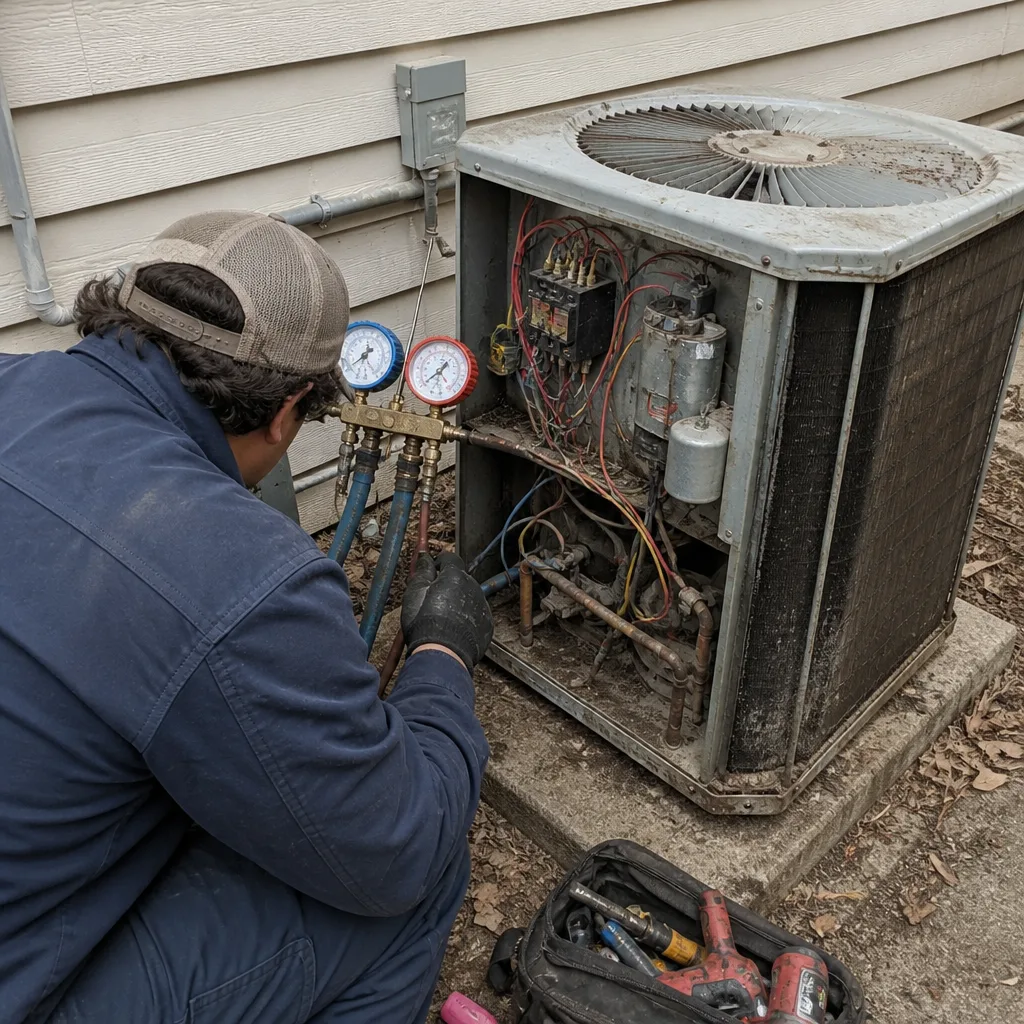
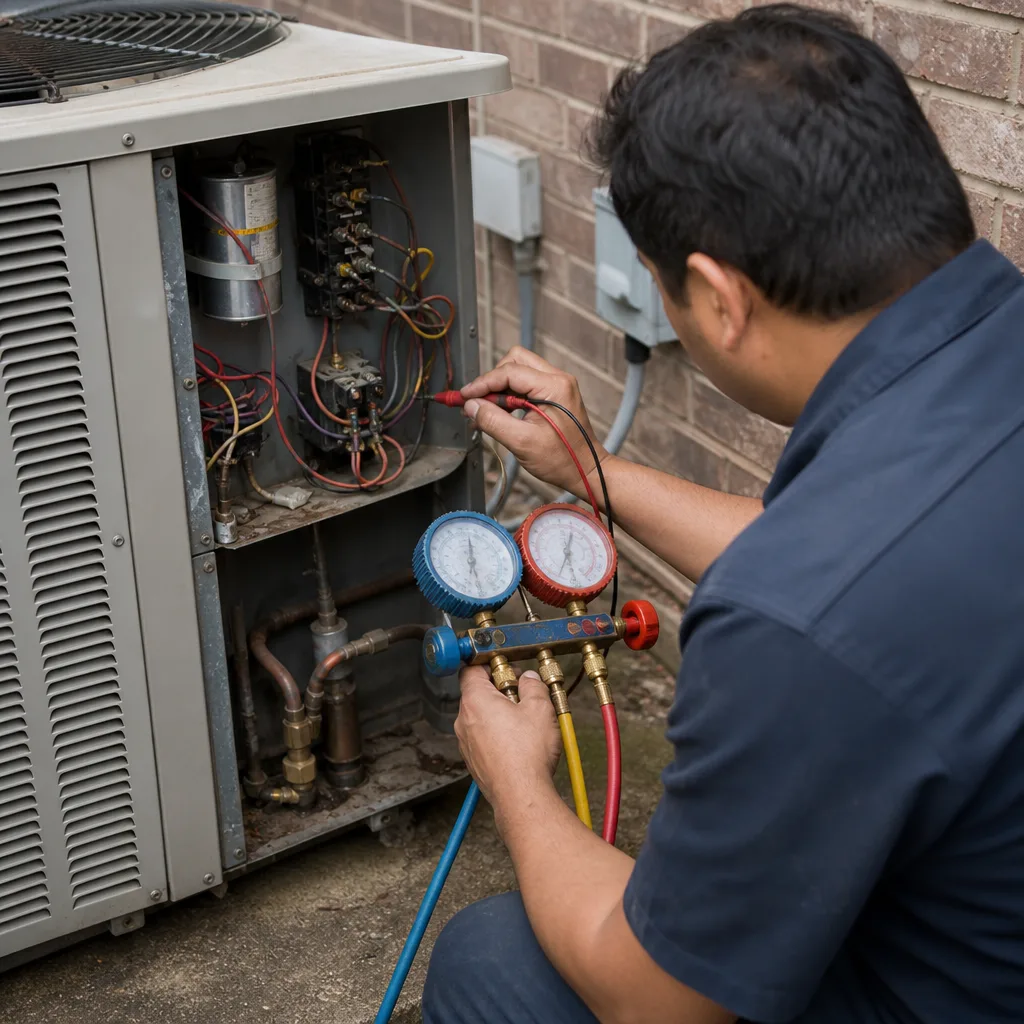
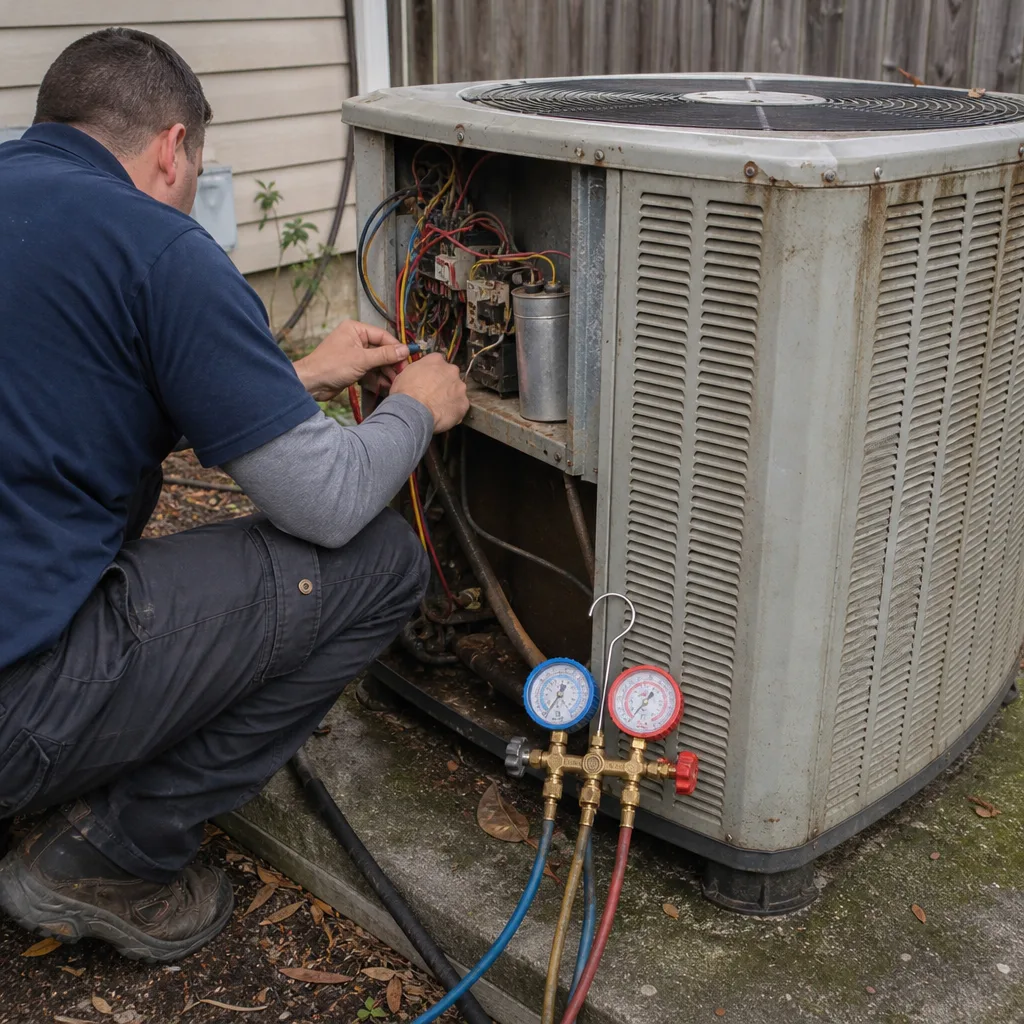
A specialist starts with the data plate. They note your brand, model, and age, then move to the readings: refrigerant pressures, superheat or subcooling, static pressure, electrical draws at the compressor and blower. The numbers get compared to spec for your specific equipment, not for a generic system. When the diagnosis is in, they tell you what failed and why, and then they present the repair price first. The replacement option comes second, and it comes with the reasoning: “Here’s why repair makes sense here,” or “Here’s why it doesn’t.”
A single-brand dealer starts differently. They note the brand, sometimes with a visible reaction if it isn’t their line. The readings get taken, but the recommendation arrives framed around what their equipment does better than yours. You’ll hear about efficiency tiers and manufacturer features. You may hear that parts for your system are hard to get, which is sometimes true and sometimes shorthand for “we don’t stock it.” The repair option is presented with caveats; the replacement option is presented with enthusiasm.
Neither diagnosis is guaranteed wrong. But the specialist has less riding on which way you jump, and that shows up in the recommendation. In our experience across Mesquite-area systems, most “you should replace” verdicts on equipment under a decade old get reached without the readings that would support them. A specialist will show you those readings if you ask.
Step 5: Read Repair vs. Replace Quotes Without Getting Sold
A written estimate should let you compare the repair and the replacement on the same page, with the reasoning laid out plainly. If a contractor’s quote hands you one path, ask for the other. A specialist can produce both. A sales-driven one will resist.
The parts-availability argument is the most-used lever in the trade for pushing replacement. It goes like this: “The part for your unit is on backorder for weeks, or it’s discontinued, so we’d recommend a new system.” Sometimes that’s the truth. Sometimes the part is available through aftermarket channels or another distributor and the contractor simply doesn’t want to hunt for it.
How to test the claim:
- Ask for the specific part number and the manufacturer’s part availability status. A specialist can give it to you.
- Ask whether an aftermarket or universal equivalent exists. For many common failures (capacitors, contactors, blower motors, certain boards), equivalents usually do.
- Ask for a repair price and a replacement price on the same document, with the assumptions spelled out.
- If the replacement is recommended, ask for the load calculation that justifies the size. A contractor who skips this is sizing by rule of thumb.
On replacement quotes, the numbers you should be able to read on the page: system size in tons, efficiency rating, equipment manufacturer and model, refrigerant type, warranty terms for parts and labor, and whether the permit and inspection are included. If any of that is missing, ask for it before you sign. For comparison, our own AC repair estimates separate the diagnostic findings, the repair options, and the replacement path so you can see the whole picture at once.
Why Mesquite’s Climate Shapes the Hiring Decision
Mesquite’s summers are long and hot, and the household AC runs many more hours per year than it would in a milder market. That changes the hiring calculus in a few ways most guides skip.
The first is that equipment in Mesquite tends to age on hours, not years. A system rated for a typical duty cycle in a cooler climate is running twice as hard here during the cooling season. Compressors and blower motors wear faster. Capacitors and contactors fail sooner. A contractor familiar with the local load profile will factor that into their diagnosis.
The second is that heating demand is real but short. Winters bring a handful of hard cold snaps and long stretches of mild weather. A company that handles both cooling and heating under one roof saves you the trouble of tracking down a separate furnace contractor when a cold front arrives and the heater won’t light. That’s the reasoning behind our combined Mesquite coverage. One call covers the AC in July and the furnace in January.
The third is that cooling failure in a Mesquite summer is a heat-safety issue, not just an inconvenience. When the indoor temperature climbs and the household includes children, older adults, or anyone with a health condition, the timeline matters. Same-day service exists for that reason. We answer 24/7. Fast dispatch from 7am to 7pm, Sunday through Friday.
What to prioritize when you’re hiring in this climate: a company that handles both sides of the system, works on the brand you already own, and gives you a straight repair-versus-replace answer. Price matters, but it’s third.
Common Mistakes to Avoid
- Picking the middle bid without checking brand coverage. Three quotes for the same brand of narrow dealer don’t tell you anything new. Ask all three what brands they service before you compare numbers.
- Accepting a diagnostic without seeing the readings. If the technician doesn’t show you pressures or electrical measurements, ask. A confident one will explain them without hesitation.
- Skipping the TDLR check because the reviews were good. Good reviews don’t guarantee a current license. Pull the record; it takes two minutes.
- Letting a contractor skip the permit on a replacement. Unpermitted work can complicate a future sale or insurance claim. Ask up front, and don’t accept “we don’t need one” without an explanation.
- Buying the replacement recommended on the first visit. Get a written repair price alongside it. A specialist will give you both gladly; a dealer often won’t.
- Choosing a general handyman for HVAC work. HVAC systems are regulated and licensed for a reason. A general fix-it service isn’t equipped for the diagnosis or the code requirements.
- Forgetting the furnace. Picking an AC-only contractor means a second search when the heater acts up. Ask whether they handle heating repairs too before you hire.
See the difference
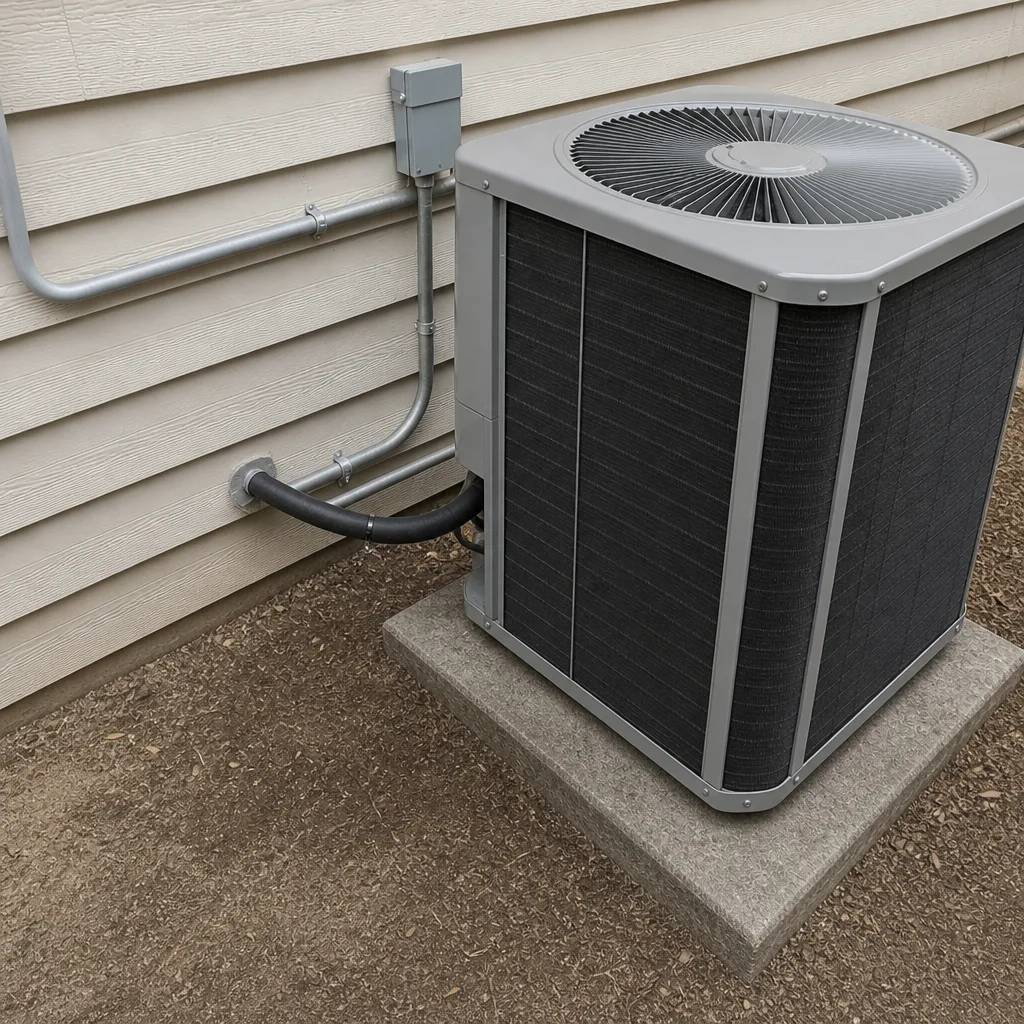
 Before
 After
 Before
 After
 Before
 After
When to Call a Professional
Some HVAC problems are genuinely worth calling about right away. A system that won’t cool at all during a Mesquite heat wave, a compressor that’s tripping the breaker, a burning smell from the air handler, refrigerant or water leaking around the indoor unit, or a furnace that won’t light and produces fumes: these need a licensed technician, not a checklist. Electrical components, refrigerant handling, and gas-fired heating all carry real safety risk. Don’t open panels or attempt gas-related work yourself. A professional diagnosis protects you and your system.
Whitman AC Repair offers free estimates in Mesquite with AC installation and repair handled by the same team that covers furnace work. We service nine major brands including Lennox, Goodman, Rheem, and York, so you can skip the “do you work on my brand” conversation and get to the actual problem. Call (866) 964-4152. We answer 24/7. Fast dispatch from 7am to 7pm, Sunday through Friday.
Frequently Asked Questions
Search the Texas Department of Licensing and Regulation (TDLR) database using the company name or license number, and confirm the license status, expiration, and class. Ask the contractor for the license number directly and match the name on the license to the name on the estimate. For the full context on hiring a multi-brand HVAC specialist, see Whitman AC Repair. Call (866) 964-4152 for a free estimate – estimates are free.
Getting three quotes is fine, but the more useful comparison is brand coverage, license class, and diagnostic approach rather than the number. Three bids from single-brand dealers will each recommend their own line; the numbers don’t tell you which recommendation to trust. Ask all three what brands they service and whether they’ll show diagnostic readings, then compare. Call (866) 964-4152 for a free estimate.
A multi-brand specialist works on the equipment you already own regardless of manufacturer, so the recommendation flows from the system’s condition rather than from a manufacturer relationship. A single-brand dealer is often aligned with one line, which can tilt the diagnosis toward replacement. For a Mesquite homeowner, the specialist gives you more repair options and less pressure. Call (866) 964-4152 if you want to know what’s actually wrong with your system.
Full system replacements generally require a permit and inspection in Mesquite; repair work on existing components may not. Confirm with your contractor directly and with the city’s building department if you’re unsure. A legal requirement to pull a permit is a reason to hire a company that pulls them without being asked. If a contractor resists this step, treat it as a red flag.
Ask “what brand do you recommend for replacement, and why?” before the diagnosis is finished. If a replacement brand recommendation arrives before the technician has shown you any readings, the diagnosis is likely driving the sale. A specialist will tell you what’s wrong first, then lay out repair and replacement options on the same page. Call (866) 964-4152 for a diagnosis that keeps repair on the table.
A proper diagnosis takes time – the technician needs to check refrigerant pressures, superheat or subcooling, static pressure, and electrical draws at the compressor and blower, then compare them to manufacturer spec. A 20-minute visit that ends with a replacement recommendation isn’t a diagnosis; it’s a sales call. Ask the technician to walk you through what they measured before they present options.
The Bottom Line
Hiring HVAC in Mesquite comes down to a few decisions. Verify the license through TDLR and check the class. Confirm the company can service the brand you already own, not just the one they prefer to sell. Insist on permits for replacement work. And insist on a written repair price alongside any replacement recommendation. The contractor whose expertise spans multiple manufacturers has less at stake in telling you to replace, and that shows in the diagnosis. If your current system needs a straight answer on repair versus replace, we’ll give you one.
Ready to Get a Straight Answer on Your System?
Whitman AC Repair handles AC repair, AC installation, and furnace repairs across Mesquite. We work on nine major brands, from Carrier and Trane to Daikin and American Standard, so you don’t need a brand-specific dealer to get your existing system looked at properly. Our technicians have up to 8 years of experience with these systems, and our recommendations follow your equipment’s condition rather than any manufacturer’s incentives. Free estimates, upfront written pricing, and one call for both heating and cooling. Call (866) 964-4152. We answer 24/7. Fast dispatch from 7am to 7pm, Sunday through Friday.
Written by the team at Whitman AC Repair.