
Last updated November 15, 2026
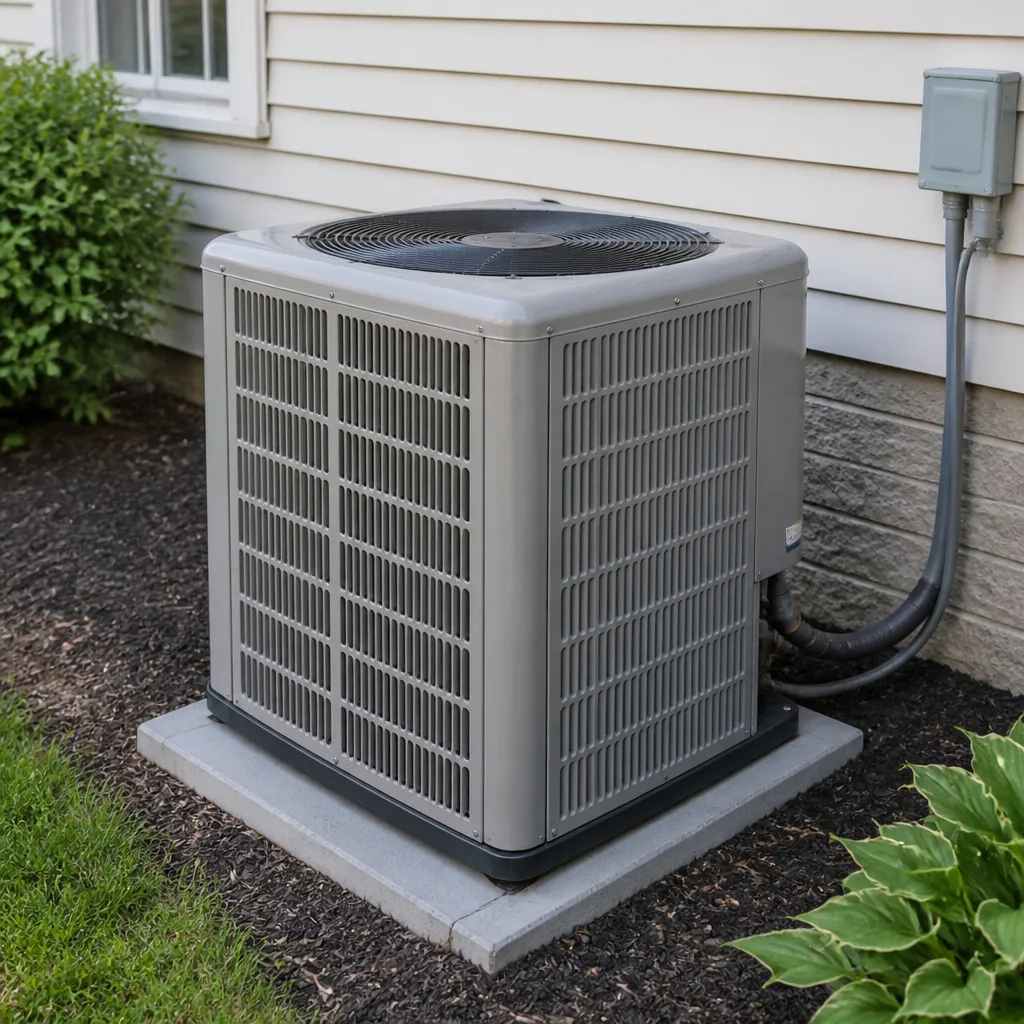 AC repair
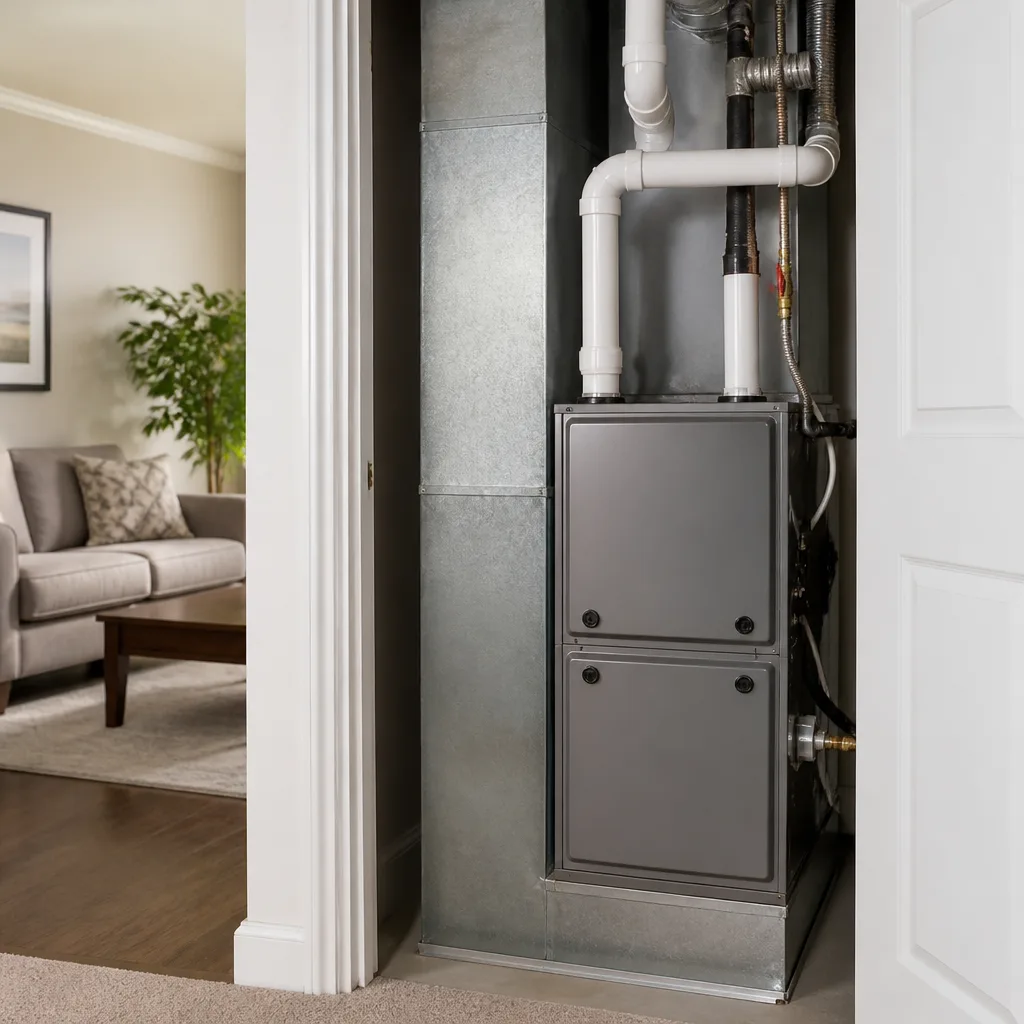 Furnace & heating
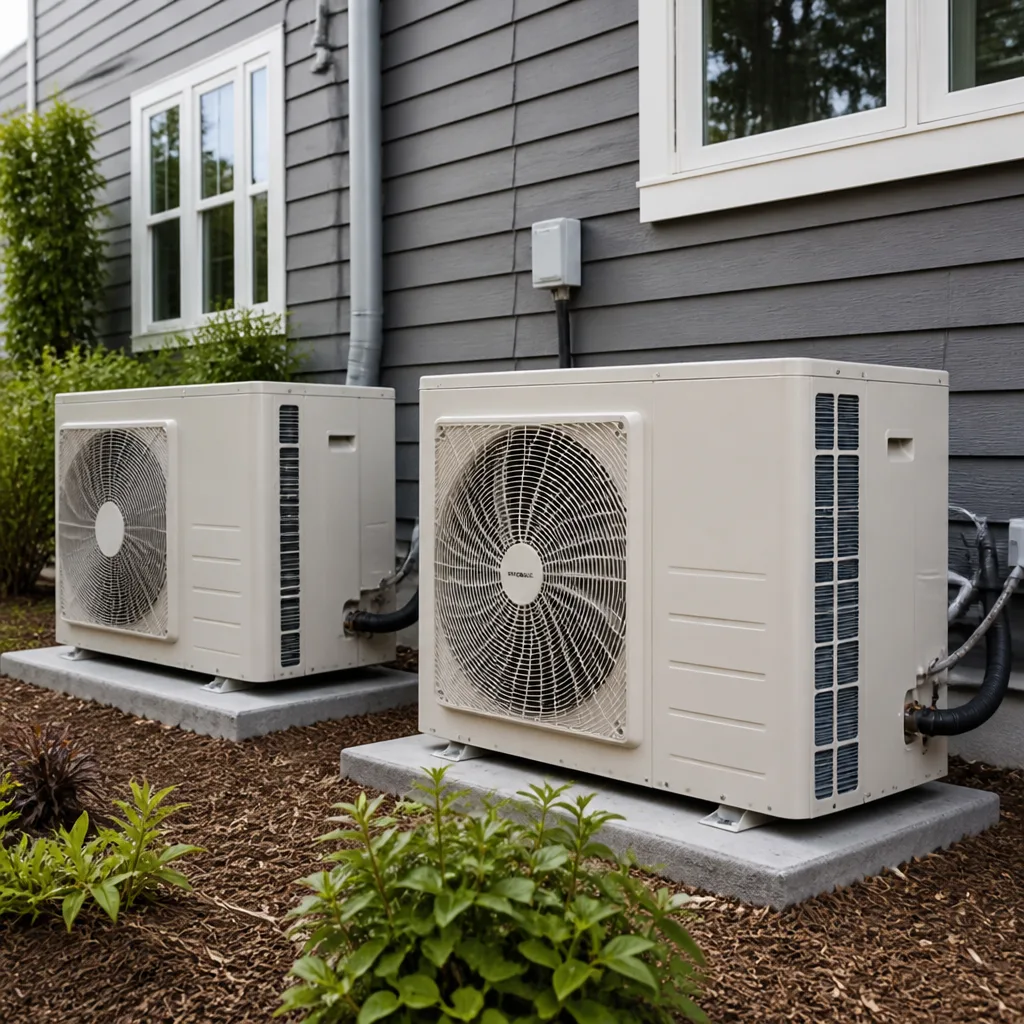 Heat pumps
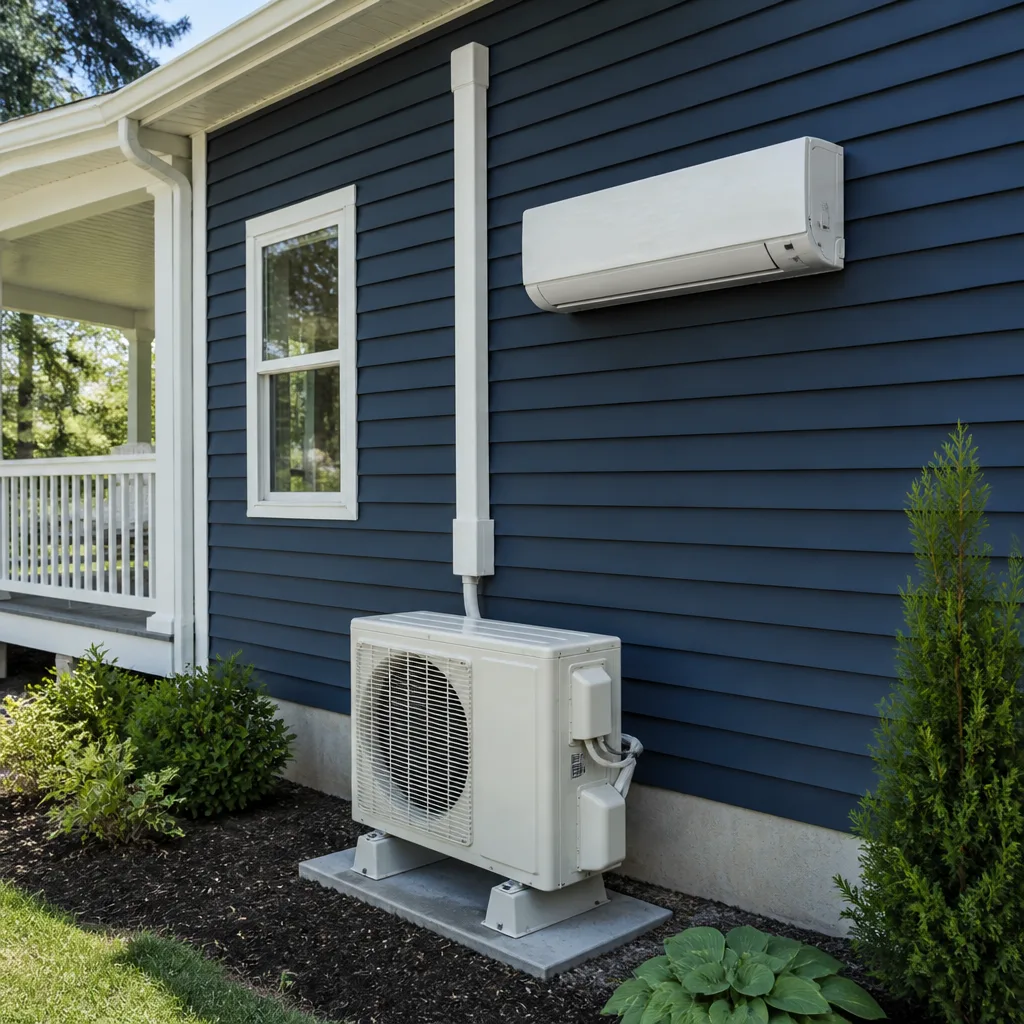 Ductless mini splits
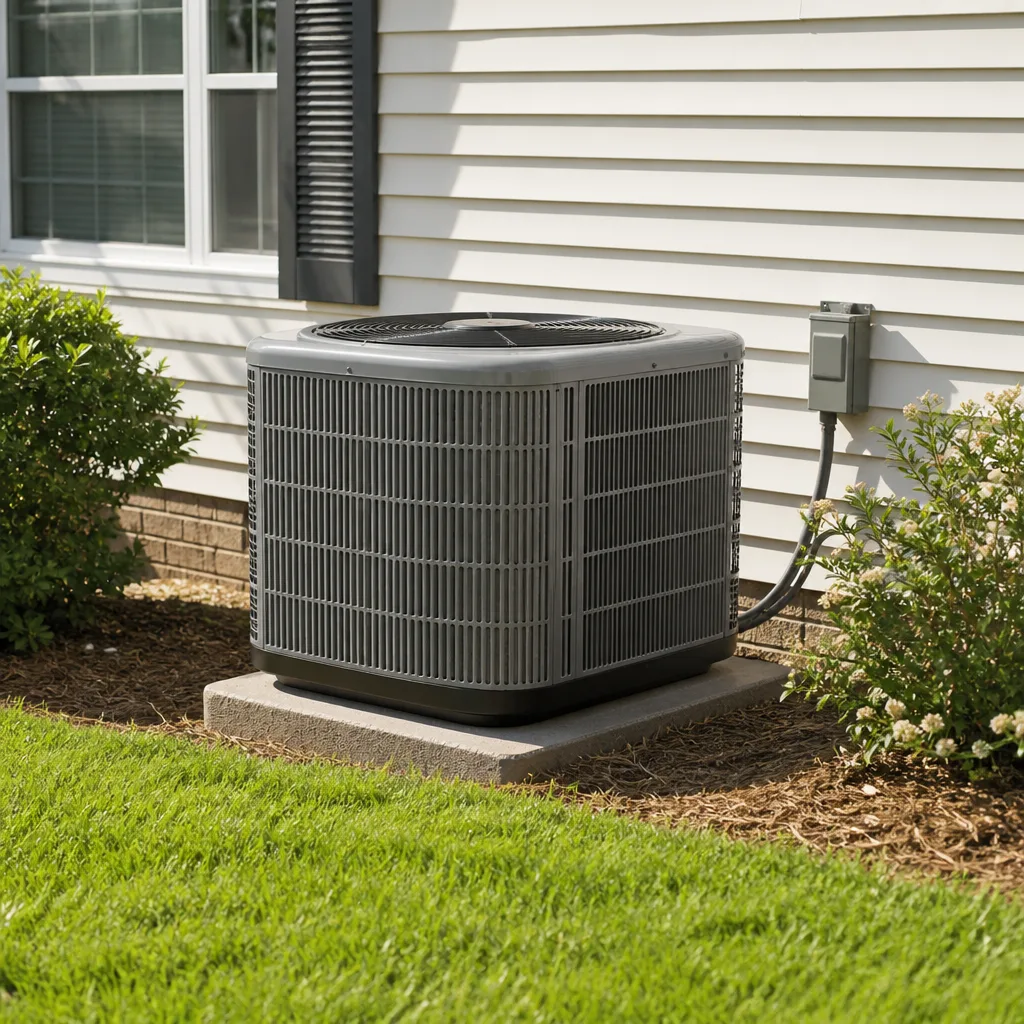 Carrier
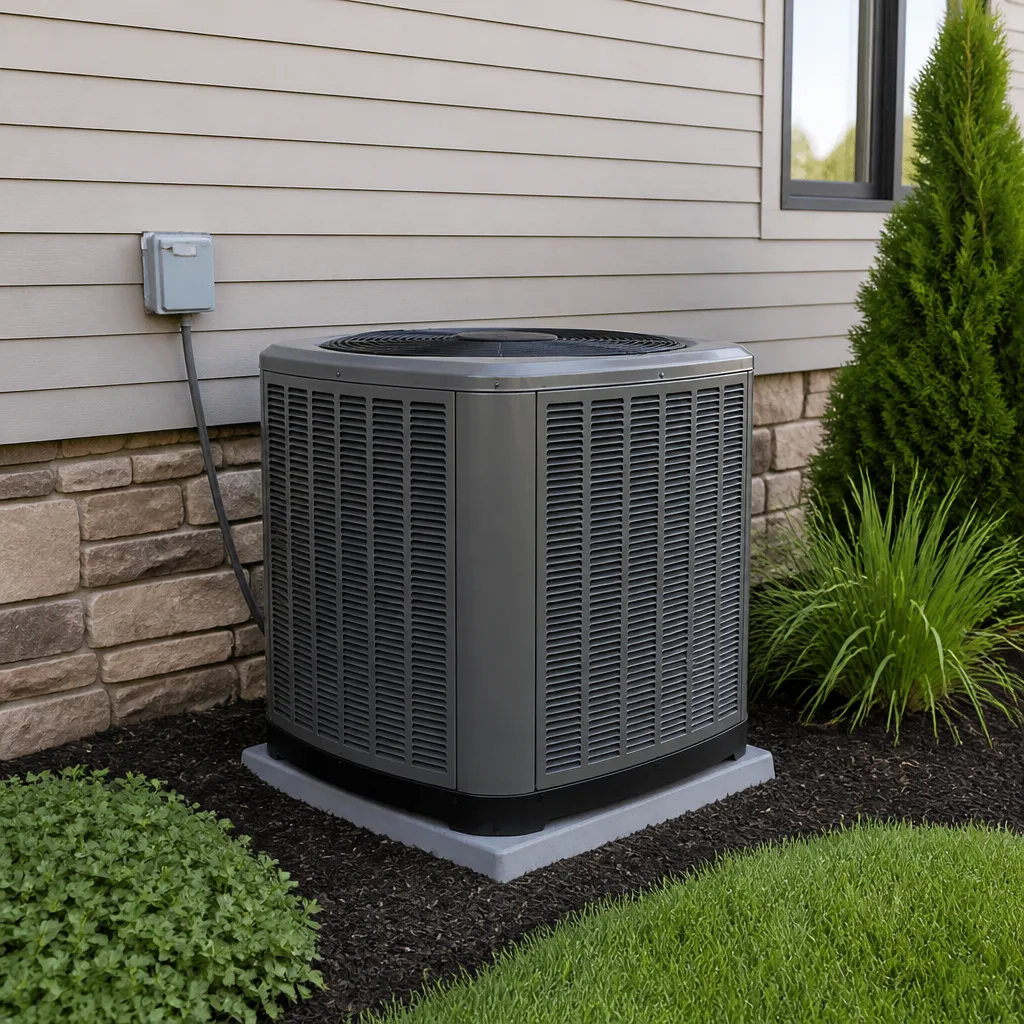 Trane
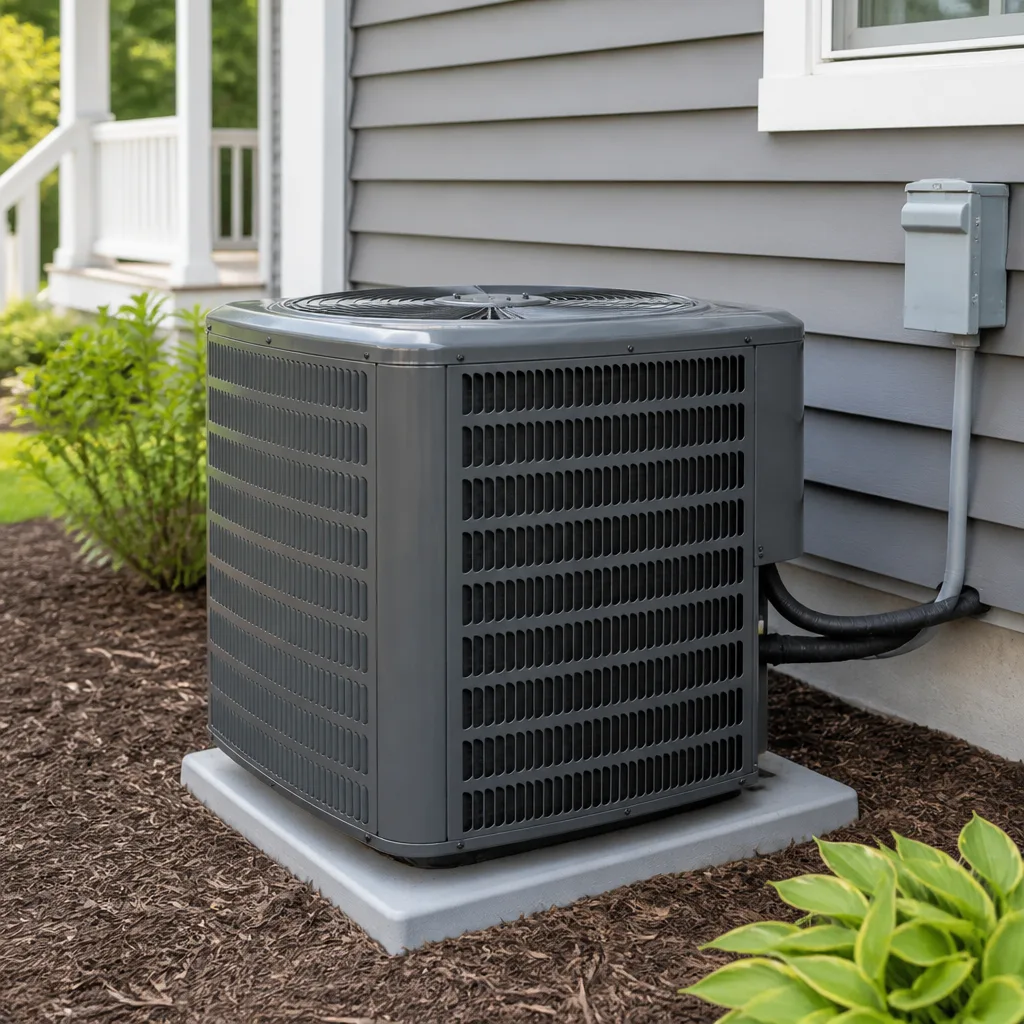 Goodman
Seasonal tune-up and full diagnostic on your Carrier, Trane, or Goodman system - readings shown to you before any repair is proposed
Diagnosis first, numbers second - you approve the repair price before a single part goes in.
Get your free estimateAC Repair Troubleshooting in Mesquite: Common Problems and How to Fix Them
Most troubleshooting advice online is written as if every homeowner has the same problem, and that is where people get hurt – not physically, but in the wallet. The truth is that a good half of the AC problems we hear about in Mesquite are things a homeowner can safely check and reset in ten minutes, and the other half are things that will get worse every single hour they keep running. The trick is knowing which is which before you touch anything. This guide draws that line precisely: what you can handle yourself, what needs a trained technician, and how to describe your symptoms so the diagnosis is faster and cheaper. It’s built around the failures we actually see in Mesquite, not a generic checklist copied from a national site.
Styles & brands we work with
- AC repair
- Furnace & heating
- Heat pumps
- Ductless mini splits
- Carrier
- Trane
- Goodman
Quick Answer
You can safely check and reset four things yourself: your thermostat settings and batteries, a clogged air filter, a tripped breaker at the panel, and a backed-up condensate drain line. Everything involving refrigerant, capacitors, contactors, compressor windings, or wiring inside the air handler needs a technician. If your system is short cycling, freezing up, tripping breakers repeatedly, or blowing warm air after a filter change, call (866) 964-4152. We answer 24/7, and fast dispatch runs from 7am to 7pm, Sunday through Friday. Estimates are free.
Table of Contents
- The Symptom-to-Action Decision Tree for Mesquite Homes
- What You Can Safely Check and Reset Yourself
- “Blowing But Not Cold” vs. “Not Blowing at All”
- Short Cycling: The Warning Sign Most People Ignore
- Why AC Units Freeze Up During Peak Afternoon Heat
- Tripped Breakers and What They’re Telling You
- Weak Airflow From Two-Story Vents
- How to Document Symptoms Before You Call
- The Three Most Misdiagnosed Problems in the Region
- Common Mistakes to Avoid
- When to Call a Professional
- Frequently Asked Questions
- The Bottom Line
The Symptom-to-Action Decision Tree for Mesquite Homes
Start with the symptom. Not the system type, not the brand on the outdoor unit, and not the age of the house. What is the system doing right now? That single question routes you to the right next step faster than anything else.
Here is how we think about it when a call comes in from a Mesquite homeowner:
- System is completely off, no air movement, no sound. Check the thermostat first (mode, setpoint, batteries), then the breaker at the panel. If the breaker trips again within minutes of resetting, stop and call. Repeated trips mean something inside the circuit is drawing too much current.
- System runs but the air coming out is warm or room temperature. Check the filter and the outdoor unit (is the fan spinning? is the coil clean? is there ice?). If the filter is clean and the outdoor unit is running but nothing is cold, the issue is almost always refrigerant or a component in the cooling circuit, which needs a technician.
- System runs in short bursts, cycling on and off every few minutes. Check the filter and thermostat first, but expect this one to need a diagnosis. Short cycling is one of the clearest symptoms of a failing capacitor or a system that is overcharged or undercharged.
- Ice visible on the indoor coil, refrigerant lines, or outdoor unit. Turn the system off at the thermostat. Do not keep running it. Ice means the coil is starved of airflow or refrigerant, and running it frozen can damage the compressor.
- Water pooling near the indoor unit or a musty smell. Check the condensate drain line and pan. A clogged drain is a common and safe fix, but standing water near electrical components is not a wait-and-see situation.
Two of those five paths take you to a phone call within a minute. Three of them are worth ten minutes of your own time first. That split is what keeps a homeowner from paying a service call for a filter, and also from running a frozen system for two days and turning a $250 repair into a $1,400 compressor replacement. If you’re not sure which path you’re on, call us and describe what you’re seeing. Nobody at Whitman AC Repair is paid on what they sell, so the answer is genuinely about your system.
What You Can Safely Check and Reset Yourself
These four things are safe for any homeowner to inspect. None of them require opening a panel, touching a wire, or getting near refrigerant. If the problem clears after one of them, great. If not, you’ve eliminated the easy causes before calling, which is exactly what a good technician wants to hear.
1. Thermostat settings and batteries
Check the mode is set to COOL, the setpoint is genuinely below room temperature, and the fan is set to AUTO rather than ON. A thermostat in ON mode moves air constantly even when the compressor isn’t running, which makes people think the AC “isn’t cooling” when the real issue is that the system never got a call to cool. Replace the batteries if the display looks dim, then give the system five minutes. Programmable and smart thermostats sometimes drift after a power flicker, which is common during summer storms in Mesquite.
2. Air filter
Pull the filter and hold it up to a light. If you can’t see light through it, it’s overdue. A clogged filter chokes airflow, drops cooling capacity, and is one of the top causes of frozen coils we see in Mesquite homes during July and August. Replace it with the same size and the same MERV rating – stepping up to a much higher MERV in an older duct system can actually make airflow worse.
3. Breaker at the panel
Look for a breaker that’s tripped (usually halfway between ON and OFF). Flip it fully OFF, then back to ON. If it holds, run the system and see what happens. If it trips again, leave it alone and call. We’ll get into why below. Never tape a breaker in the ON position, and never replace a breaker with a larger one to stop the tripping.
4. Condensate drain line and pan
Find the PVC drain line coming off the indoor unit, usually near the air handler in the attic or a closet. Look for standing water in the pan and check that the end of the drain (often near the foundation outside) is actually draining. A wet/dry vacuum on the outdoor end of the line clears a simple clog. If water is anywhere near electrical components or the drain pan is overflowing into the ceiling, turn the system off and call.
What you should not touch: refrigerant lines and ports, the capacitor, contactor, or compressor terminals inside the outdoor unit, the wiring inside the air handler, or the gas furnace components if you have a packaged or dual-fuel system. Those require licensed handling. This is a real safety line, not a liability disclaimer. Capacitors hold a charge after power is off, and refrigerant work requires equipment and EPA certification that homeowners don’t have.
“Blowing But Not Cold” vs. “Not Blowing at All”
These two complaints sound similar on the phone, and they lead to completely different diagnostic starting points. Getting the distinction right before you call saves time and steers the technician toward the right part of the system.
“Blowing but not cold” means the blower is moving air, the thermostat is calling for cooling, and the system is running – but the air isn’t getting cold. The starting point is the cooling circuit: refrigerant charge, the outdoor condenser, and the metering device. Possible causes include low refrigerant from a leak, a dirty condenser coil, a failing capacitor on the outdoor fan, a bad compressor, or a reversing valve issue on a heat pump. The blower and ductwork are usually not the problem in this scenario because air is moving.
“Not blowing at all” means there’s no airflow, so the starting point is the electrical and blower side: thermostat power, breaker, blower motor, control board, or a safety switch that has tripped. Refrigerant is almost never the answer here. If the outdoor unit is running but the indoor blower is dead, you have an airflow problem, not a cooling problem, and running it that way can freeze the coil within an hour.
How to tell the difference in 60 seconds
- Put your hand at the nearest supply vent. Air moving? You’re in category one.
- Listen at the indoor unit. Blower motor running? If yes and there’s still no airflow at the vents, suspect a duct issue or an open damper.
- Look at the outdoor unit. Fan spinning? Compressor humming? Both running with warm air inside usually means refrigerant or a metering issue.
- Check the thermostat display. Blank or dead means start at the electrical side before anything else.
If you have a Carrier, Trane, or American Standard system, the diagnostics are largely the same – the brand doesn’t change the physics, only the specific part numbers and control board behavior. That’s why we work on all nine major brands rather than a single manufacturer. When you call, we already know how your system is built.
Short Cycling: The Warning Sign Most People Ignore
Short cycling means the system turns on, runs for a few minutes, shuts off, and repeats the cycle every few minutes. A lot of homeowners treat this as “it’s still cooling, so it must be fine.” It isn’t. Short cycling drops your system’s efficiency, accelerates wear on the compressor and contactor, and shortens the life of the equipment. It also tends to be a symptom rather than a problem in itself, which is why it’s worth taking seriously.
The most common causes we find in Mesquite:
- A failing capacitor. The run capacitor helps start the compressor and fan motor. When it weakens, the motor draws higher current and the system either runs hot, cycles off on a thermal overload, or trips the breaker. Capacitors are inexpensive to replace, and catching them early is one of the best returns on investment in HVAC repair.
- An oversized system. If the unit was sized without a proper load calculation, it cools the space too fast, satisfies the thermostat, and shuts off before it has pulled the humidity down. Homes in Mesquite with oversized systems often feel cold and clammy at the same time.
- A clogged filter or restricted airflow. Low airflow causes the coil to drop below freezing, the system shuts off on a safety, then thaws, and the cycle repeats.
- A thermostat in a bad location. A thermostat near a supply vent, on a sunbaked wall, or in a hallway that gets a cross-breeze reads the wrong temperature and cycles the system erratically.
- Low refrigerant or an overcharge. Either condition pushes pressures outside the safe range and triggers a cycling or lockout condition.
The trap here is that short cycling often looks like “it’s still working.” It is. But the amperage being drawn by the compressor under these conditions is what eventually kills it. In July and August, a breaker trip or a cycling pattern that gets ignored is one of the fastest ways to convert a $300 repair into a compressor replacement. Describing this accurately on the phone is the single most useful thing you can do before a technician arrives.
Why AC Units Freeze Up During Peak Afternoon Heat
It sounds backwards: the hottest part of the day is when the ice shows up. But freeze-ups in Mesquite are a classic afternoon phenomenon, and they follow a predictable pattern. Here’s what’s happening. The coil inside your air handler sits at a temperature well below the dew point of the return air. That’s normal, and it’s why the coil drips condensation. When airflow drops or refrigerant charge drops, the coil temperature falls further, moisture in the air freezes on the fins, and you get an ice block that only grows.
Two things cause the coil temperature to fall too far: too little air moving across it, or too little refrigerant inside it.
Airflow-side causes
- A clogged filter (the single most common cause we see)
- A failing blower motor or a blower wheel packed with dust
- Closed supply registers in unused rooms, reducing system airflow below design
- Crushed or disconnected flex duct in the attic
- A dirty evaporator coil (you can’t see this from outside the unit)
Refrigerant-side causes
- A slow leak that has dropped charge below the level needed for proper coil temperature
- A restricted metering device (TXV or piston) at the indoor coil
- A kinked or blocked refrigerant line
The Mesquite pattern is this: filter changes get skipped in June, airflow drops through July, and the first freeze-up shows up on a 100-degree afternoon because that’s when the system runs longest and the coil never gets a chance to thaw. Homes near the Mesquite Golf Club and along the older established neighborhoods around downtown often have duct systems that were sized for a different era of equipment, so airflow restriction shows up faster there than in newer construction.
What to do when you see ice: turn the system off at the thermostat and the breaker. Leave the fan in ON mode (if your thermostat allows it) so air moves across the thawing coil. Do not chip ice off the coil. Do not pour warm water on it. Do not restart until it’s fully thawed. Then change the filter and try again. If it ices up a second time, call. Running a frozen system stresses the compressor every cycle.
Tripped Breakers and What They’re Telling You
A tripped breaker that resets and stays put is often dismissed as a fluke. In a Mesquite summer, that’s the wrong read. A breaker that trips on an AC circuit is a signal, not an accident, and it usually means one of three things: the compressor is drawing too much current, the breaker itself is weak, or there’s a fault in the wiring or the outdoor unit’s electrical components.
The failure pattern typically looks like this. The capacitor weakens first, the compressor starts drawing higher amperage to compensate, and the breaker trips to protect the circuit. Reset it once, and it may hold for a few hours or a few days. But the strain on the compressor doesn’t stop, and by the time the system fully fails, the repair has often grown from a capacitor replacement into a compressor replacement. Catching the breaker trip early is the cheapest way to prevent the expensive version of this. The math is simple: a capacitor swap today is a fraction of what a compressor costs after a month of ignored trips.
What to do:
- Locate the breaker and reset it fully to OFF, then ON.
- Note the time and the outdoor temperature when it trips again (if it does).
- If it trips twice within an hour, stop resetting it and call. Repeated trips mean something is genuinely wrong.
- Never replace the breaker with a larger one. The breaker is correctly sized for the circuit, and upsizing removes the protection the compressor needs.
- Never bypass a breaker or tape it in the ON position. That’s how fires start.
If the breaker holds but the compressor hums and doesn’t start, or starts and immediately shuts off, that’s another clear signal – typically the run capacitor or the compressor itself. Either way, this isn’t a homeowner-level diagnosis. It requires meter work on live electrical components.
Weak Airflow From Two-Story Vents
In a two-story Mesquite home, “the upstairs is hot” is one of the most common complaints we hear. It is also one of the most misunderstood. Weak airflow from upstairs vents doesn’t automatically mean a failing system – very often it’s a duct design and balance issue, and the AC is working fine but the cool air isn’t getting where it needs to go.
The physics are straightforward. Cool air is denser than warm air, so it sinks. A system designed for even distribution needs either a zoned duct system or strategically balanced dampers to push a proportional share of airflow upstairs. Homes built with a single-zone system and a long duct run to the second floor commonly run five to eight degrees warmer upstairs than downstairs during a Mesquite summer afternoon, and that gap widens with any airflow restriction.
Common causes:
- Manual dampers in the duct trunk are partially closed or were never balanced after installation.
- A crushed flex duct in the attic – common where a duct got stepped on during a remodel or where it’s pinched by a joist.
- Undersized returns for the second floor, causing the upstairs to pressurize and resist new cool air.
- A single-stage system that can’t modulate output for a two-zone load.
- A failing blower that can’t move enough CFM to reach the farthest vents.
- A clogged filter, which every vent sees as reduced flow.
What you can check first: change the filter, then make sure every return grille in the house is open and unobstructed (furniture, rugs, or closed doors can block returns). If you have balancing dampers in the attic trunk line, they should be tagged, and any adjustments should be made gradually – small turns, then a day of observation. If nothing changes, the fix is in the duct design, not the equipment. A technician can measure static pressure and airflow to tell you whether the system is starving for air or whether the duct layout is the real problem.
If you’re in an older Mesquite home, this is often the difference between buying a bigger AC (which doesn’t fix duct balance) and correcting the ducts (which does). Getting that call right saves thousands. A brand-agnostic diagnosis is the whole point of working on Carrier, Bryant, Trane, and every other major brand. The recommendation should be based on your system’s actual condition, not on what any dealer would prefer to sell.
How to Document Symptoms Before You Call
The single most useful thing you can do before calling for AC repair is to write down what you actually observed. Not “it’s not cooling,” but specific details. That cuts diagnostic time, helps the technician bring the right parts, and often saves you from a second visit.
Here’s the checklist we recommend for Mesquite homeowners:
- When the failure started. A specific date and approximate time. Was it after a storm? After a power flicker? Overnight?
- Outdoor temperature and time of day. Afternoon failures in the 95-105 range point toward different causes than cool-morning failures.
- What the thermostat shows. Setpoint, actual room temperature, mode, fan setting.
- Which rooms are affected. Whole house, upstairs only, one zone, one side of the house. This tells a technician a lot about duct versus equipment.
- What you hear. Clicking, humming, buzzing, rattling, water running, or nothing at all. Sounds describe the electrical state of the equipment.
- What the outdoor unit is doing. Fan spinning or stopped? Compressor humming or silent? Any ice visible on lines or the unit?
- What you have already checked. Filter, breaker, thermostat batteries, drain – list what you did and what the result was.
- Whether the breaker tripped previously. Even a single earlier trip is useful history.
A homeowner who can answer all eight of those questions is describing a system with a diagnostic roadmap already attached. A homeowner who says “it’s not cooling” is starting from zero. Same service call, very different outcome. Write the answers down on your phone before you call – it takes two minutes and pays for itself.
The Three Most Misdiagnosed Problems in the Region
Most of the misdiagnoses we see in Mesquite come from the same root cause: a technician looking at the system in isolation instead of in the context of the house it’s cooling. Here are the three most common.
1. “You need a new system” when the problem is a $30 part
A system that trips a breaker and won’t restart often gets quoted as “the compressor is failing, you need a new unit.” What’s usually actually happening: the run capacitor has weakened, or a contactor has pitted and is no longer pulling in cleanly. Both are inexpensive parts, and both restore the system. A proper diagnostic with a meter confirms which. If someone jumps straight to the replacement quote without metering the capacitor and the contactor, ask why.
2. “Your refrigerant is low, we’ll add a pound” when the system has a leak
Adding refrigerant to a system that has lost charge is a temporary fix. Refrigerant doesn’t get consumed; it leaks out. If the system is low, there’s a leak, and topping it up without finding and fixing the leak buys you a season at most. We pressure-test and leak-search before adding refrigerant, and we tell homeowners upfront what the options are – repair the leak, replace a known-failing component, or plan for replacement. Topping off and calling it done is not a diagnosis.
3. “Your ducts are fine, the problem is the unit” when the upstairs is hot
This one goes the other way – an equipment change that doesn’t fix the actual problem. In a two-story Mesquite home with a hot second floor, the duct system is usually the first thing to measure, not the last. Airflow, static pressure, damper positions, and return capacity all matter more than the SEER rating of a new condenser. A bigger unit on a starving duct system makes the problem worse, not better. If a technician quotes a new unit without walking the attic and checking the ducts, get a second opinion before signing.
The common thread in all three: the recommendation should follow the evidence. That’s why we work across Carrier, Trane, Lennox, Goodman, Rheem, York, Daikin, Bryant, and American Standard rather than one brand. When a technician isn’t tied to a manufacturer program, the fix that makes sense for the house is the fix you get quoted.
Common Mistakes to Avoid
- Resetting the breaker more than twice without calling. A breaker that keeps tripping is protecting your compressor. Each reset after the second one adds strain, and the failure gets more expensive with every attempt.
- Continuing to run a frozen system. Ice on the coil starves the compressor of refrigerant flow. Running a frozen system in a Mesquite afternoon is one of the fastest ways to cook a compressor, and the repair that would have been simple becomes a replacement.
- Topping off refrigerant without leak-searching. A refrigerant system is closed. If it’s low, it’s leaking, and adding more without finding the leak is money spent on a symptom.
- Buying a bigger system to fix a hot upstairs. Oversizing makes short cycling worse, humidity control worse, and doesn’t touch the actual problem, which is usually duct balance.
- Installing a high-MERV filter in an older system. Higher filtration looks good on paper but can choke airflow on an existing duct system. Match the filter to the design, not the marketing.
- Assuming a brand specialist is required. If a technician tells you they “only service Carrier” or “don’t work on Rheem,” you’re being limited by their training, not your equipment. Most major systems are diagnosable by a technician who works across brands.
- Waiting out a spring “it’s fine” trip. The first breaker trip of the season is often the cheapest repair of the year. Skipping it means waiting for the failure to find you in July.
When to Call a Professional
Call for a technician when any of the following is true: the breaker trips a second time, ice is visible on any part of the system, the outdoor unit hums but won’t start, the system blows warm air after a clean filter, water is pooling near the air handler or dripping from the ceiling, there’s a burning smell near any component, or a problem you’ve reset keeps coming back within a week. Those are all in the “not a homeowner fix” category, and every one of them gets more expensive with delay. For AC installation decisions, we recommend having a technician review the system’s actual condition before considering replacement – the honest answer might be that a $300 repair gives you several more seasons. Whitman AC Repair offers free estimates in Mesquite – call (866) 964-4152. We answer 24/7. Fast dispatch from 7am to 7pm, Sunday through Friday.
Frequently Asked Questions
Yes, especially in summer. A single trip that resets and holds often points to a weakening capacitor or a compressor drawing higher amperage than it should. Catching that with a meter now is far cheaper than waiting for the compressor to fail. Call (866) 964-4152 and describe when the trip happened – we answer 24/7. Estimates are free.
Ice on a summer afternoon almost always means restricted airflow or low refrigerant, not cold weather. The system runs longest when it’s hottest, so a coil that’s been slowly starved all week finally ices over during the peak run. Turn the system off, let it thaw, change the filter, and call if it happens a second time. (866) 964-4152 reaches a live line – we answer 24/7.
Usually not. A two-story Mesquite home with a hot second floor more often has a duct balance, damper, or return capacity issue than a failing system. Nobody should quote a new unit before walking the attic and measuring airflow. Call (866) 964-4152 for a free estimate on diagnosing the real cause.
You can’t safely diagnose refrigerant level from the outside – it requires gauges and a trained technician. Warning signs to report on the phone: the outdoor unit runs but air is only room temperature, the coil ices up repeatedly, or the system short cycles after a filter change. Call (866) 964-4152 for an accurate read. Estimates are free.
All nine major HVAC brands: Carrier, Trane, Lennox, Goodman, Rheem, York, Daikin, Bryant, and American Standard. We don’t limit our diagnostic to one manufacturer, so the recommendation follows your system’s condition rather than a dealer incentive. If you’ve been told “we don’t service that brand,” call (866) 964-4152.
In most cases, yes. We answer 24/7 and run fast dispatch from 7am to 7pm, Sunday through Friday. Call (866) 964-4152 with the symptom details from this guide, and we’ll book the earliest opening that works for you. The estimate is free, and the written price is the final price.
The Bottom Line
The gap between “safe to check” and “call a professional” is smaller than most guides admit. A filter, thermostat, breaker, or drain line – those four are yours. Anything involving refrigerant, capacitors, contactors, compressor windings, or the wiring inside the air handler belongs to a technician. In Mesquite’s summer heat, ignoring a breaker trip, a short cycle, or a freeze-up is how a $300 repair becomes a $1,400 compressor replacement. Document your symptoms before you call, ask whether the diagnosis was measured with a meter, and be suspicious of any quote for a new system that arrives before a capacitor and contactor were tested. And if a technician tells you they don’t service your brand, call someone who does. If you need a straight answer on your system, we’re here to help with a free estimate.
Ready to get your system diagnosed or to get an honest repair-or-replace recommendation? Call Whitman AC Repair at (866) 964-4152. We answer 24/7. Fast dispatch from 7am to 7pm, Sunday through Friday. Our technicians have up to 8 years of experience, we work on all nine major HVAC brands, and we cover Mesquite homes with one company handling both AC and furnace work. No manufacturer kickbacks. No brand bias. Just the right fix for your system.
Written by the team at Whitman AC Repair.
See the difference
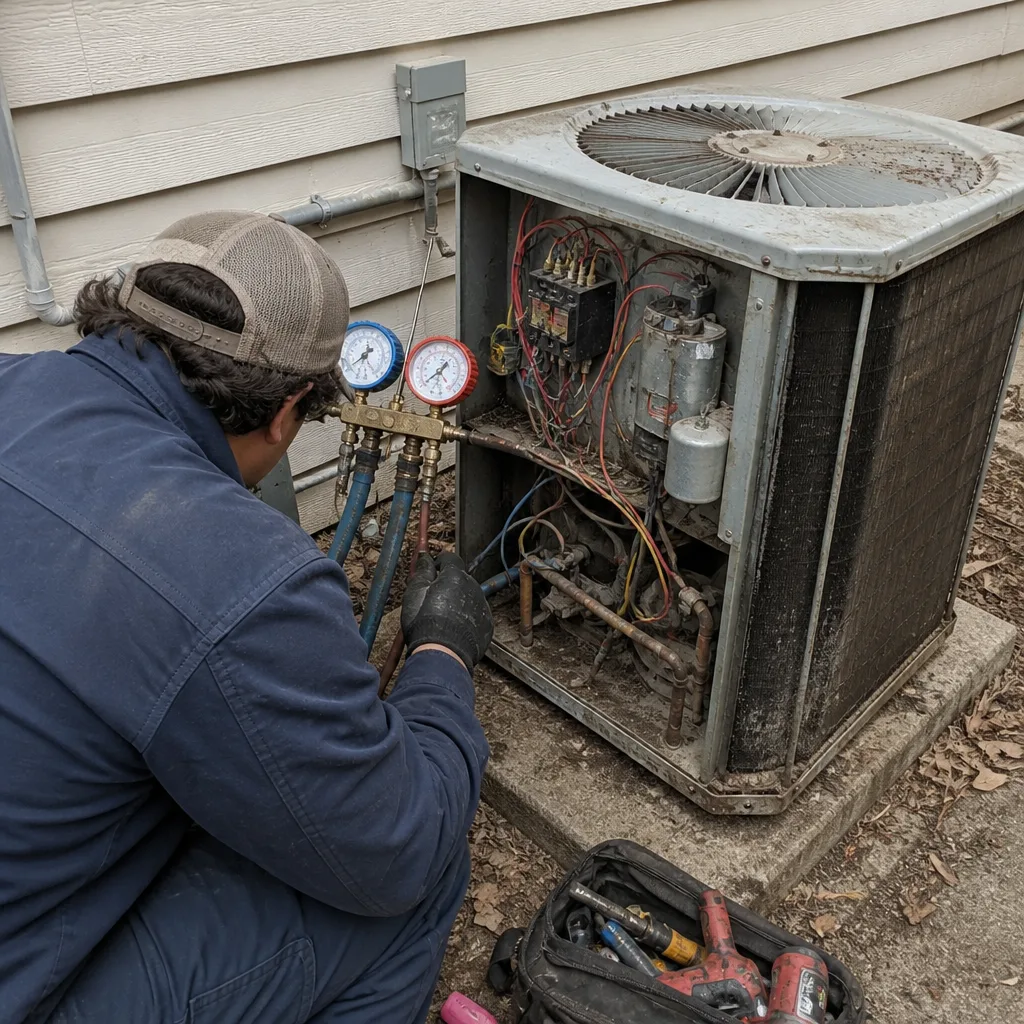 Before
 After
 Before
 After
 Before
 After