
Last updated November 15, 2026
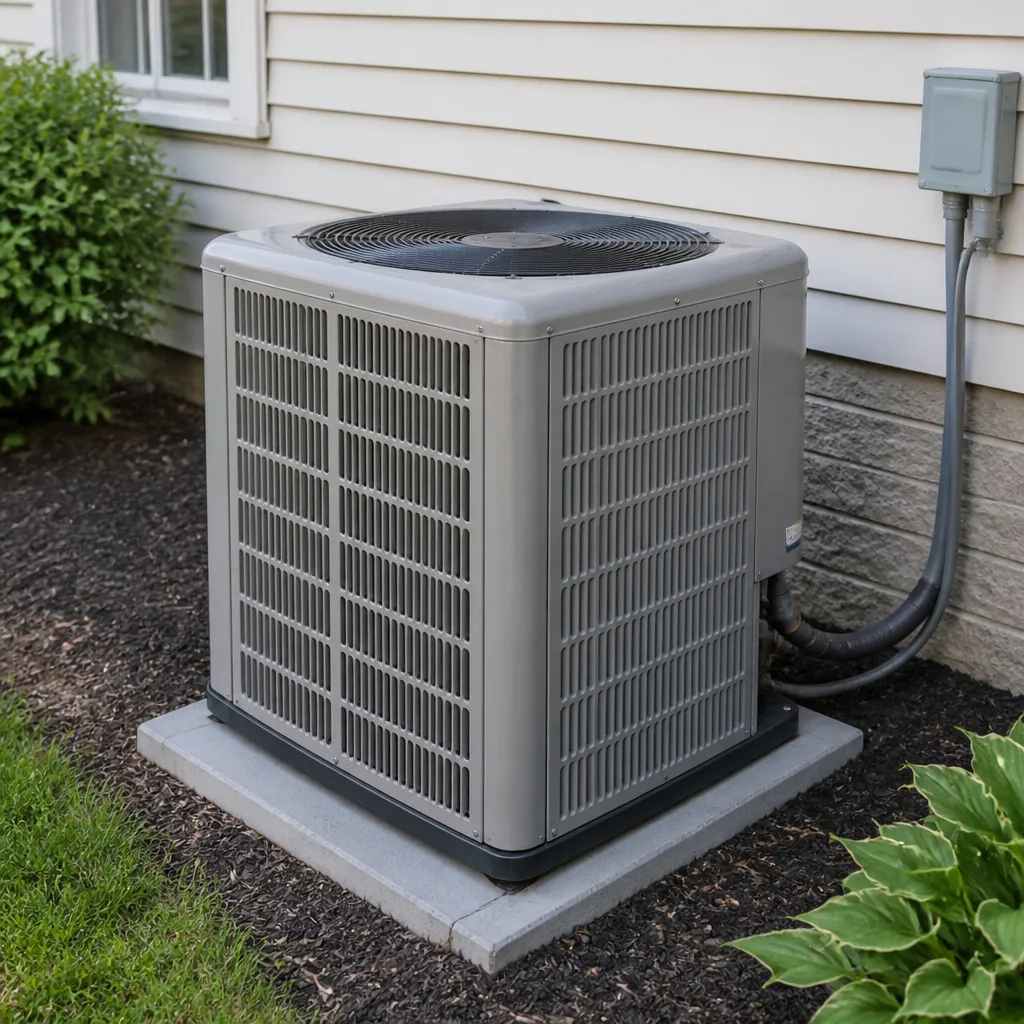 AC repair
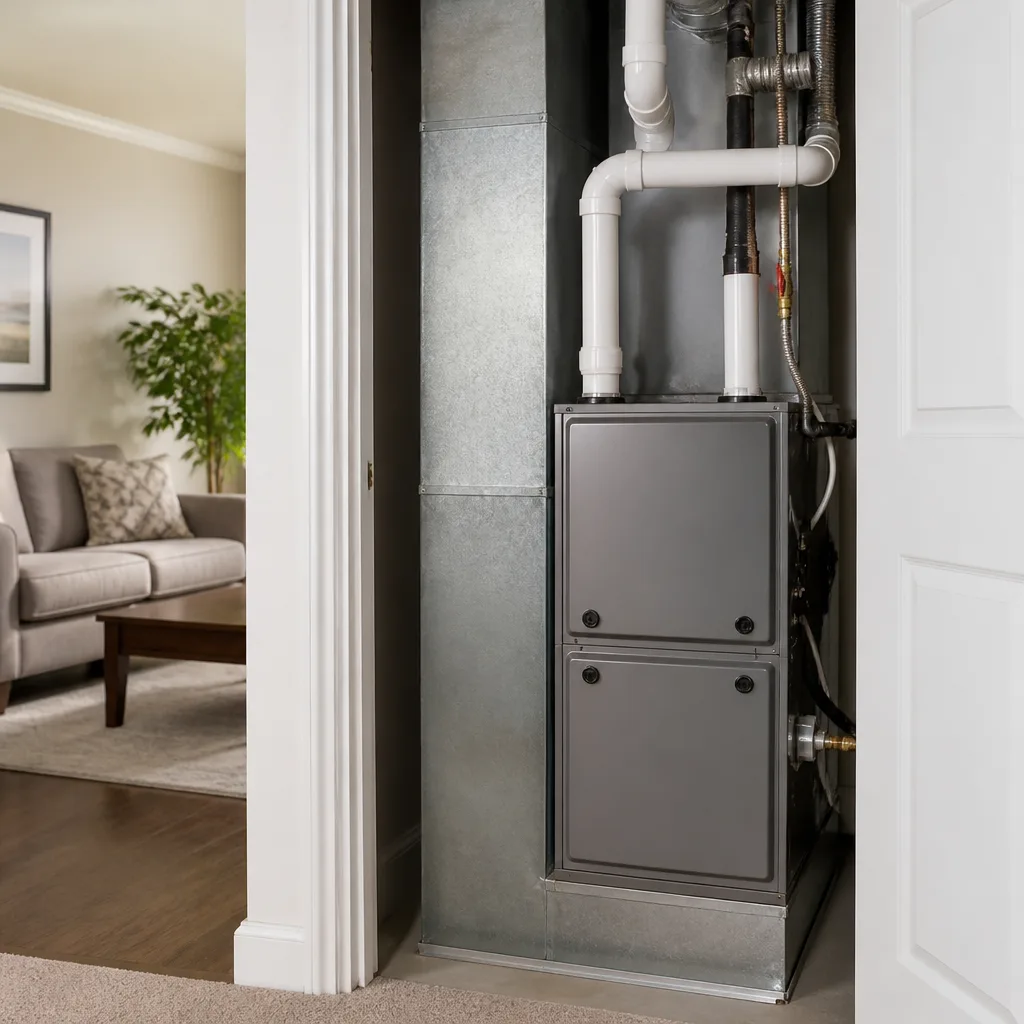 Furnace & heating
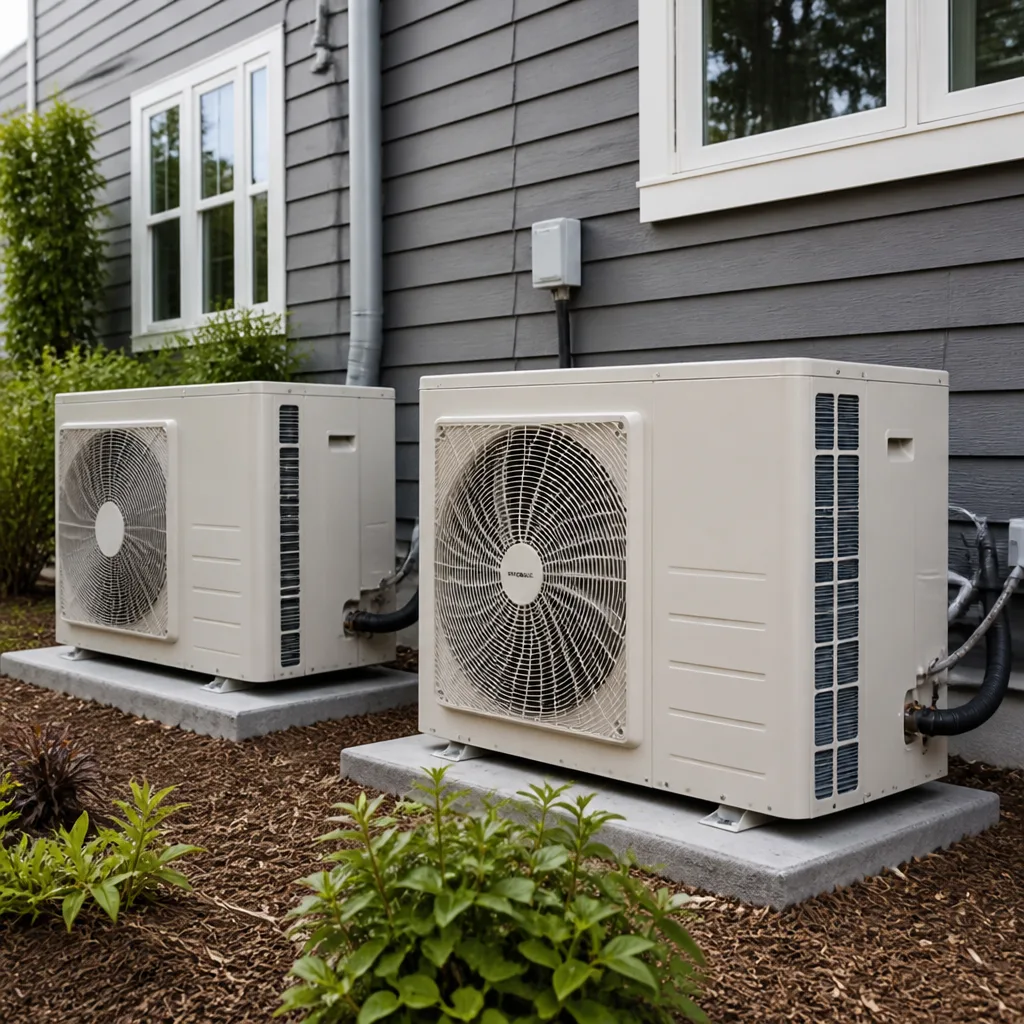 Heat pumps
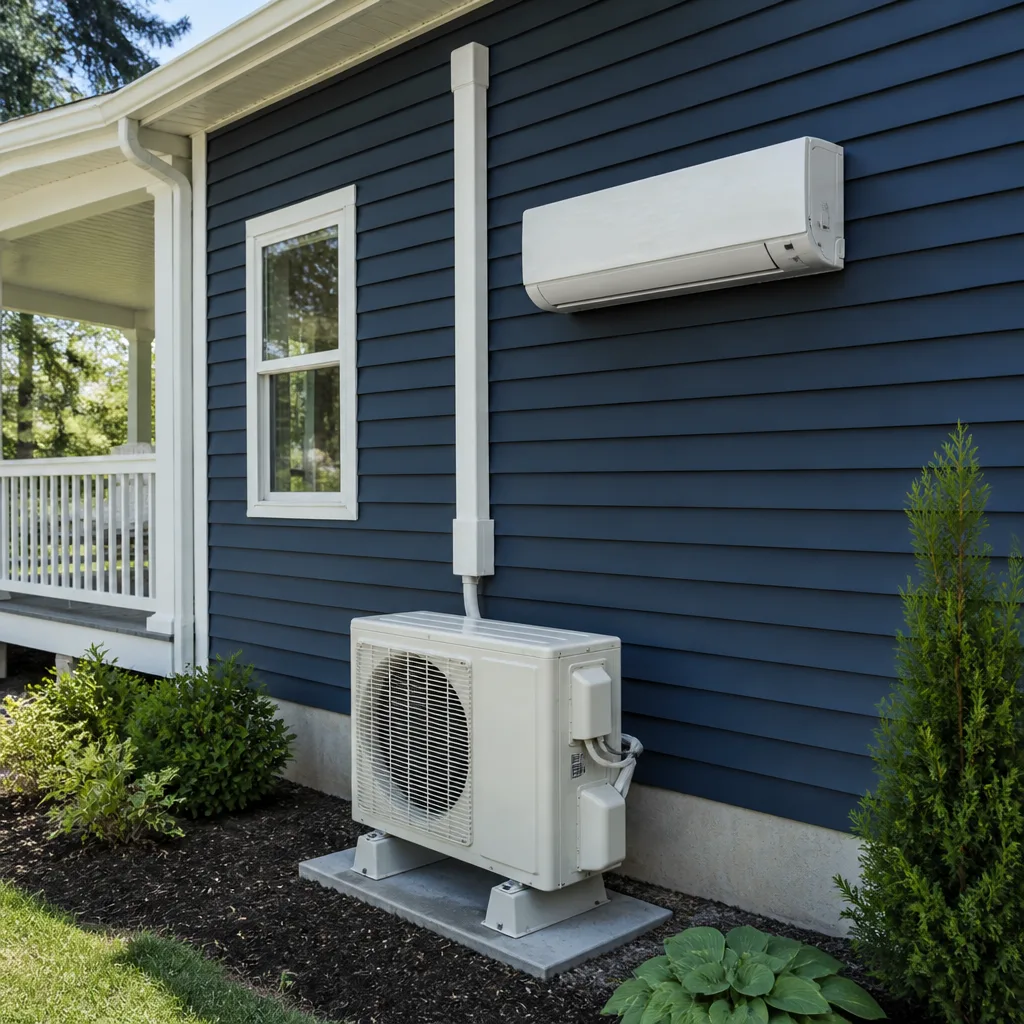 Ductless mini splits
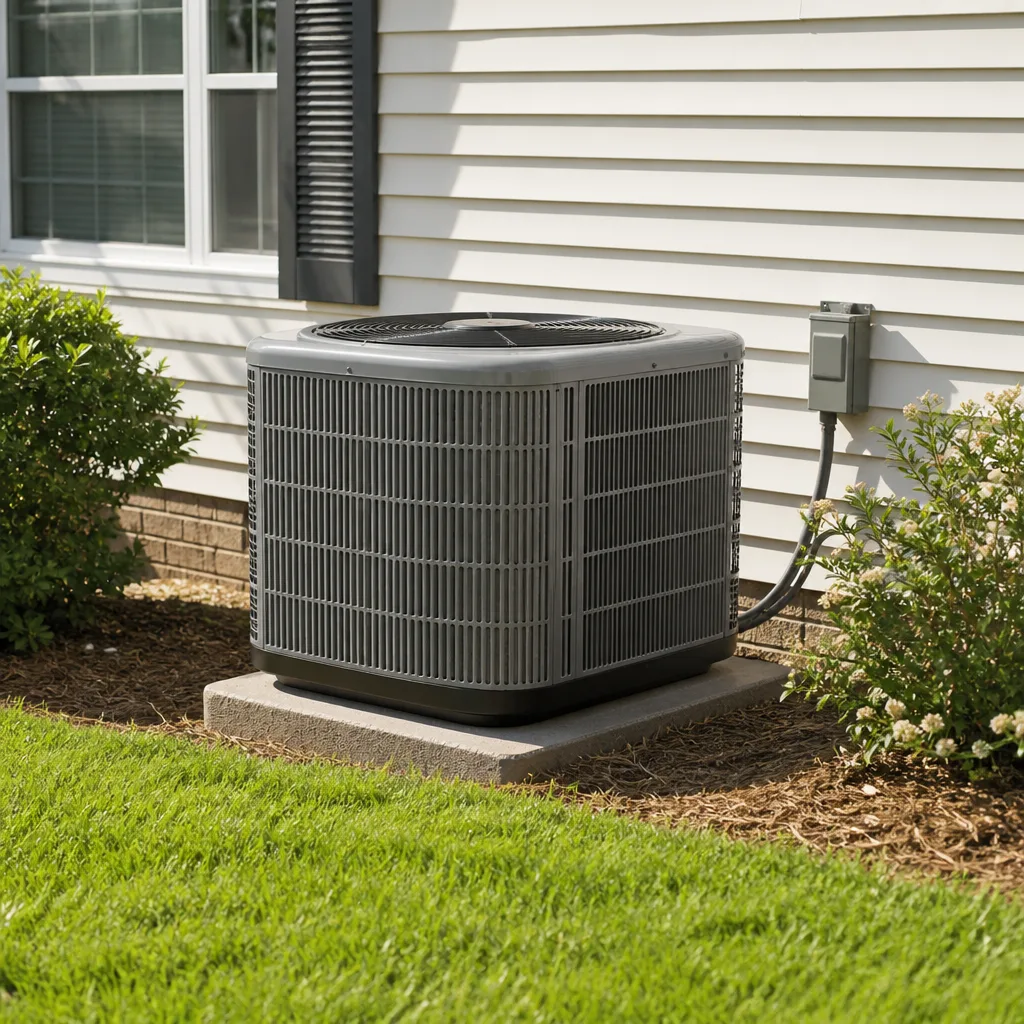 Carrier
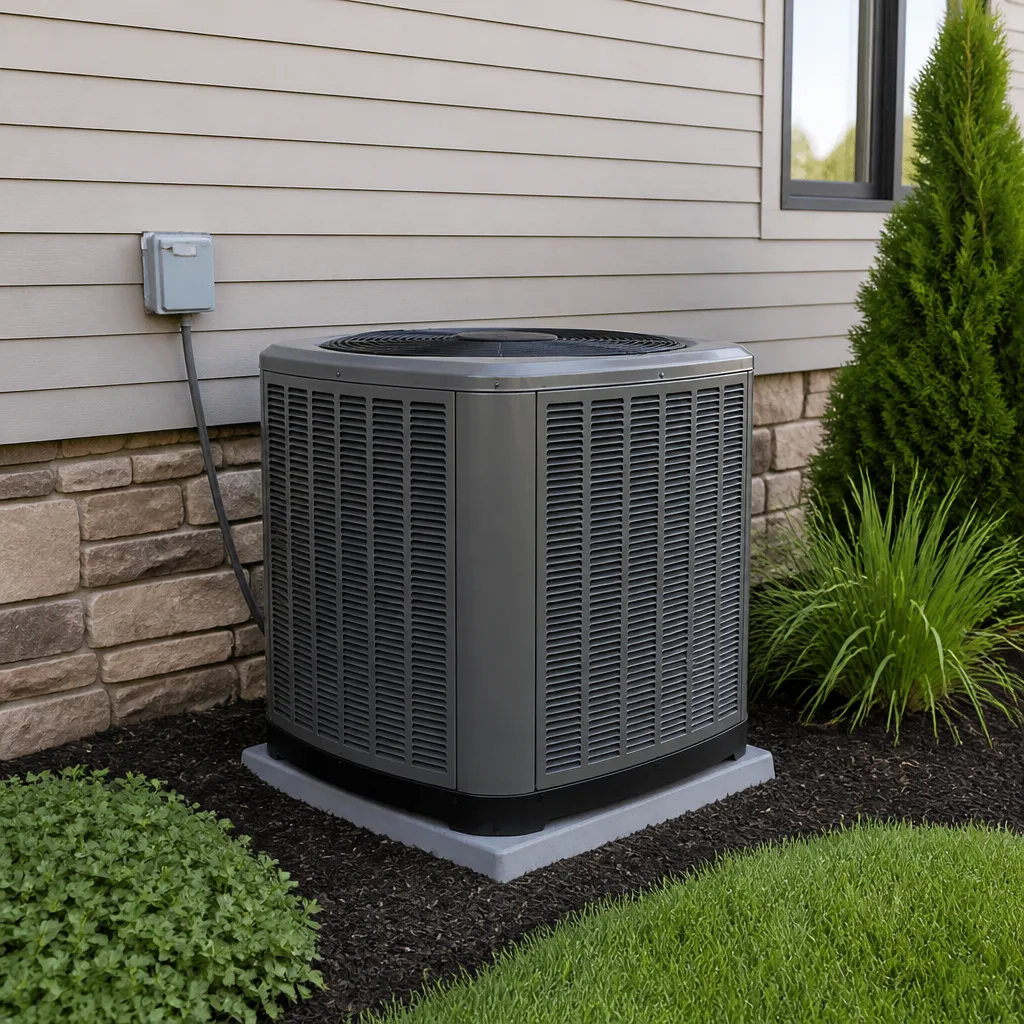 Trane
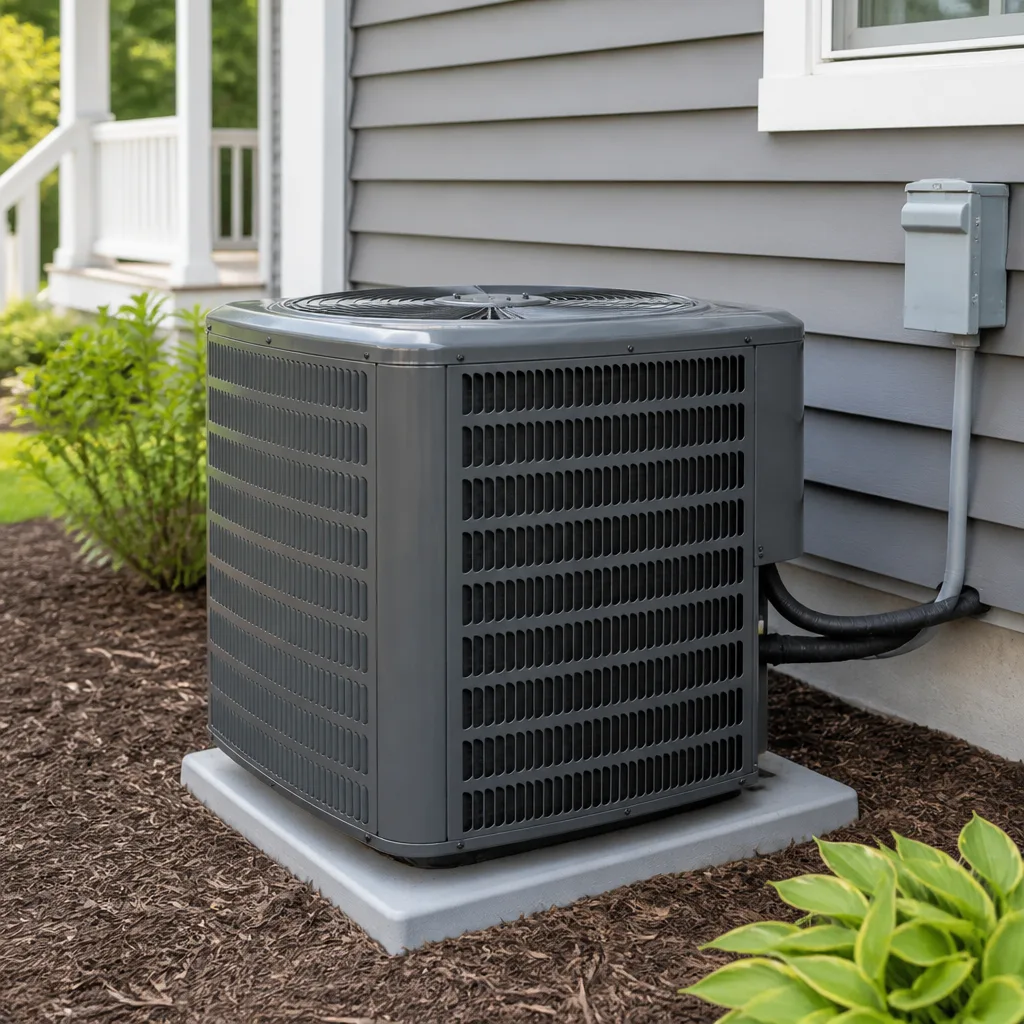 Goodman
Seasonal tune-up and full diagnostic on your Carrier, Trane, or Goodman system - readings shown to you before any repair is proposed
Diagnosis first, numbers second - you approve the repair price before a single part goes in.
Get your free estimateThe Complete AC Repair Guide for Mesquite Homeowners
Attic temperatures in Mesquite regularly climb past 150°F in July, and that single fact changes almost everything about how an air conditioner fails here. Most repair guides assume your equipment lives in a mild, dry, predictable place. Yours doesn’t. Your condenser sits on soil that swells and shrinks with the seasons, your air handler bakes in an unconditioned attic for months on end, and your system runs long, hard stretches at design load while the outdoor temperature pushes triple digits. This guide treats Mesquite’s environment as the main character, not a footnote. You’ll learn why failures happen when they do, how to read an estimate, and when a repair genuinely buys you time versus when replacement is the honest answer.
Quick Answer
AC repair in Mesquite usually means one of a handful of predictable failures: a failed capacitor, a pitted contactor, a refrigerant leak traced to shifting lines or a condenser pad, or a blower problem inside a superheated attic. The right diagnosis depends on which system you own, where it’s installed, and how Mesquite’s heat and clay soil have stressed it. A good technician tests components individually instead of guessing, and gives you a written estimate for the actual failed part before anything is ordered.
Styles & brands we work with
- AC repair
- Furnace & heating
- Heat pumps
- Ductless mini splits
- Carrier
- Trane
- Goodman
Table of Contents
- Why Mesquite Heat Load Shortens Equipment Life
- Attic Air Handlers: The Hidden Service Interval
- Clay Soil, Refrigerant Lines, and Slow Leaks
- How the Most Common Systems in Mesquite Fail
- Reading a Repair Estimate: Part vs. Shotgun
- Repair or Replace? The Heat Load Math
- What Routine Checks Actually Matter Here
- When to Call a Professional
Why Mesquite Heat Load Shortens Equipment Life
Air conditioners are rated at a standard outdoor temperature of 95°F. In Mesquite, July and August routinely push well above that, and a unit sized for design conditions spends more hours near its maximum capacity than the same model would in a cooler market. That’s not a defect. It’s physics. But it does mean every component wears on a different curve than the manufacturer’s lab data suggests.
Here’s what’s actually happening under the hood:
- Compressors run longer cycles. Runtime is what accumulates wear on the compressor windings and valves. A system that runs for 20 straight hours on a 104°F afternoon at 130°F indoor return air fits more wear into a season than a slower, gentler cycle would.
- Capacitors cook. Start and run capacitors live next to the compressor in the outdoor cabinet. In a Mesquite summer, the interior of that cabinet can hit temperatures that actively shorten a capacitor’s lifespan. That’s why a three-year-old capacitor can fail here while the same part lasts five years in a cooler place.
- Contactor points pit faster. The contactor is the relay that engages the compressor and fan. Every cycle arcs a tiny bit across its contact points. More cycles mean faster pitting, and pitted contacts lead to browning out, chattering, or the classic “unit hums but won’t start.”
- Refrigerant pressures ride high. Higher outdoor temps raise head pressure. If the condenser coil is even partially blocked by dust or debris, that pressure climbs further, and the compressor works harder for the same cooling output.
The takeaway: in Mesquite, “it’s only three years old” is not a shield against a failed capacitor or a stuck contactor. Those are the most common legitimate failures we see, and they’re inexpensive to fix when caught early.
Attic Air Handlers: The Hidden Service Interval
Most Mesquite homes have their air handler (the indoor half of the system) in the attic. That placement saves living space, but it also means the blower motor, the evaporator coil, the drain pan, and the control board all operate in an environment that can exceed 150°F for weeks each summer while the system is off. That’s harder on equipment than the same unit operating in a conditioned closet, and it’s why attic-mounted systems here often need attention earlier than the manufacturer’s service chart would suggest.
Here’s what a technician should inspect differently on an attic system in Mesquite:
- The condensate drain and safety switch. Attics are dusty, and algae grows in standing water. A clogged primary drain can overflow the pan; the float switch is your backup. Verify the switch actually trips.
- The blower motor capacitor and bearings. Heat is unkind to capacitors and lubricants. Listen for bearing rumble and check the run capacitor value against its rating.
- The evaporator coil fins. Attic dust settles on the coil intake side and insulates it. A dirty coil chokes airflow, and low airflow leads to a frozen coil in the middle of July.
- Insulation and duct connections. Attic ducts lose cold air to a 150°F space if the wrap is damaged or the connections have pulled loose. That shows up as a system that runs but never quite cools the house.
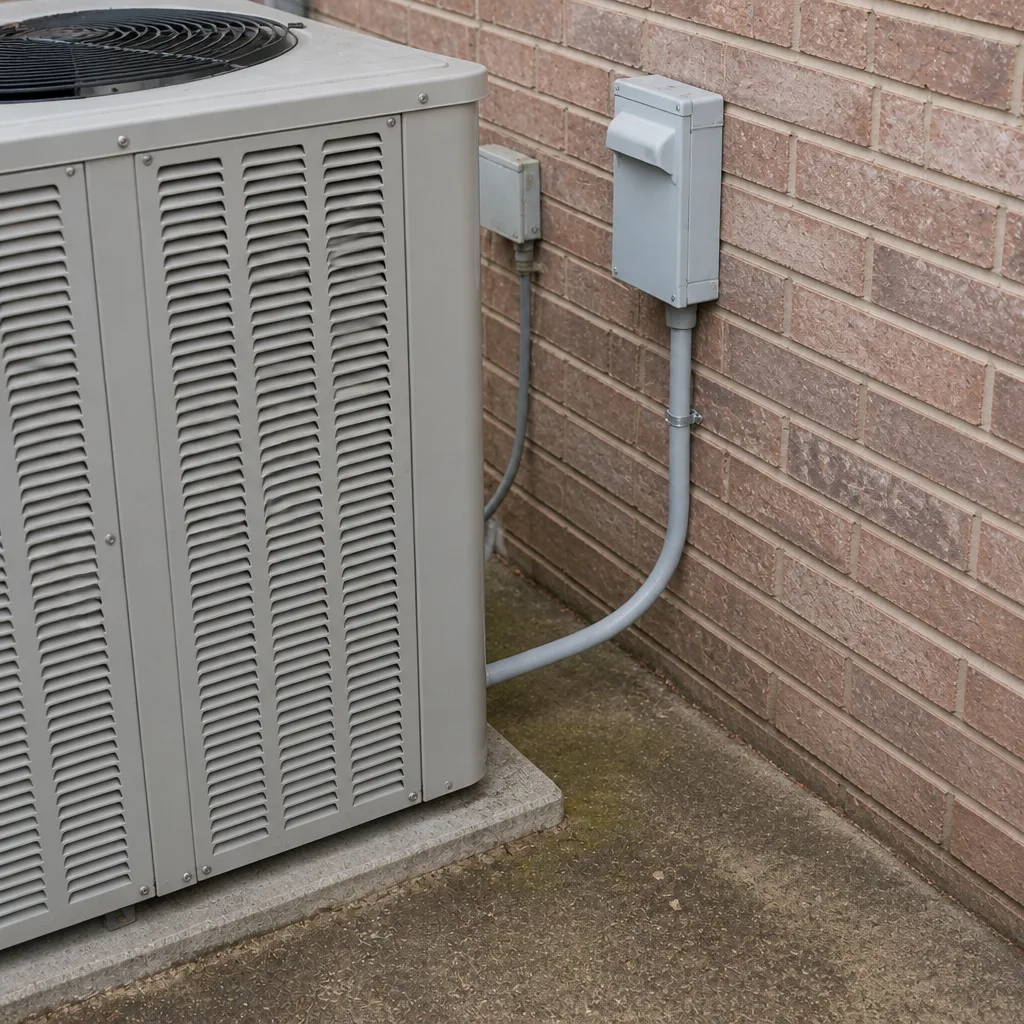
- The electrical disconnect and whip. Sun-baked attic wiring and connections are worth a visual check for damage or looseness.
If you own a system with an attic air handler, plan on more frequent filter changes than the label recommends. That’s the single cheapest thing you can do to protect an attic-mounted system in Mesquite’s climate.
Clay Soil, Refrigerant Lines, and Slow Leaks
Mesquite sits on expansive clay soil. When it gets wet, it swells. When it dries out through a long, hot summer, it shrinks and settles. That movement happens slowly and repeatedly around your outdoor equipment, and it produces one of the most commonly misdiagnosed problems in this part of Texas: a slow refrigerant leak that gets labeled “low charge” over and over without anyone finding the actual source.
The pattern usually goes like this:
- A unit shows low refrigerant pressure during a service call.
- The technician “tops it off” without leak-searching.
- The system cools fine for a season, then struggles again next summer.
- Nobody notices the condenser pad has tilted or the line set has shifted where it exits the wall.
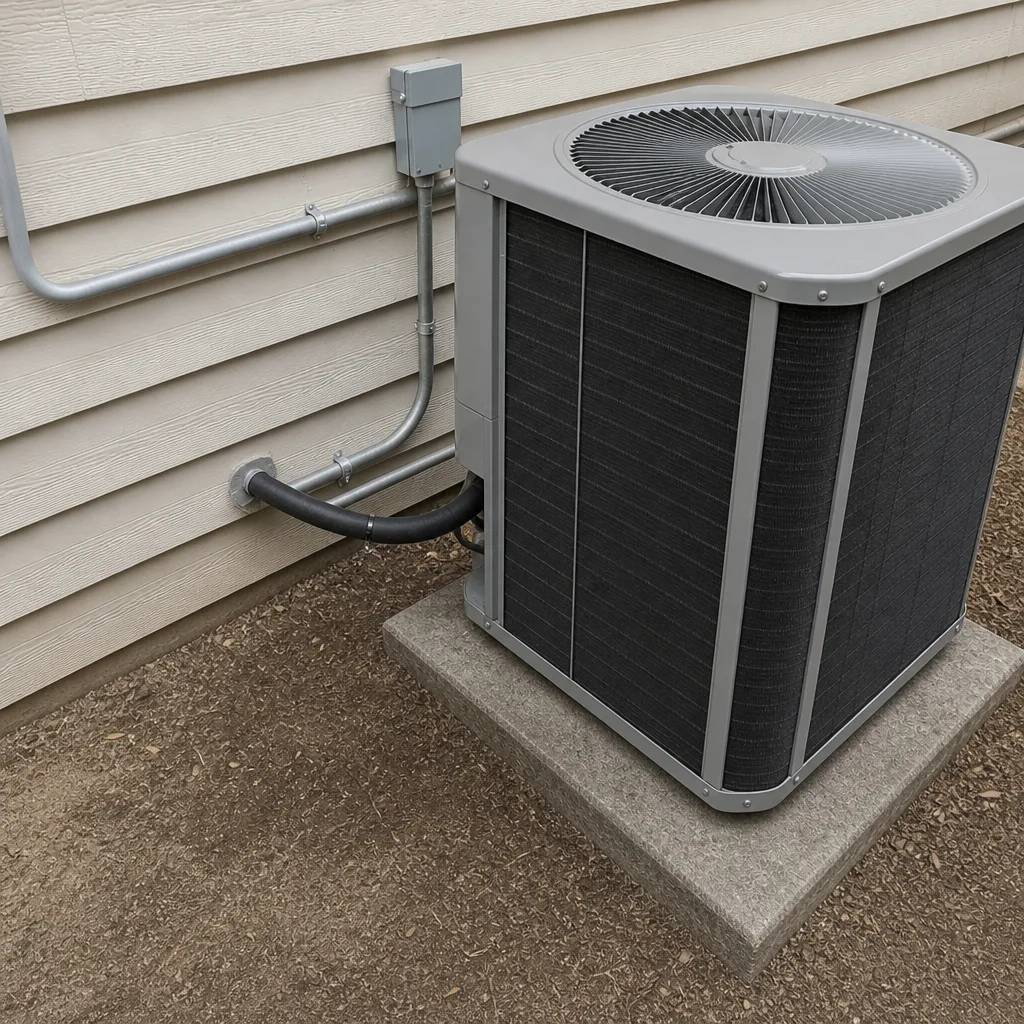
Here’s what to look at instead. First, check the condenser pad. If the concrete or composite pad has settled noticeably on one side, the copper line set where it enters the wall can be stressed, and stress at a brazed joint or a flare fitting leads to a slow leak. Second, look at the line set where it’s buried or strapped. Movement of the soil against an uninsulated or unprotected line can abrade the copper over time. Third, ask specifically for a leak search, not a recharge. A proper search uses electronic leak detection and, if necessary, nitrogen pressure testing. That’s how you find the actual failed component rather than paying for refrigerant twice.
If you’ve been recharged more than once in two summers without a leak search, that’s a red flag. It’s the single most common way a homeowner ends up spending more than they needed to on a system that would have held pressure fine once the actual joint was repaired.
How the Most Common Systems in Mesquite Fail
We work on nine major HVAC brands, which means we see the same handful of systems come up over and over in Mesquite neighborhoods. Each one fails in a predictable order if you know where to look. The specific model matters less than the failure sequence.
Older Trane XR systems. These are workhorses in Mesquite, and many homes have a unit well into its second decade. The common failure path is a run capacitor first, then the contactor, and eventually the compressor. If the compressor fails on one of these, the cost of the replacement versus a new system is a real conversation worth having, not a sales pitch.
Carrier Performance series. These often show up in Mesquite homes built in newer subdivisions over the past fifteen to twenty years. What fails first tends to be electronic: control board issues, communication problems between the thermostat and the outdoor unit, and sometimes the variable-speed blower motor. Diagnosing a Carrier communication fault is different from diagnosing a mechanical failure, and it helps to have a technician who knows the sequence.
Builder-grade Rheem and similar units. These are the systems installed by the hundreds during Mesquite’s growth waves. They’re simple, reliable, and repair well when the failure is a capacitor, contactor, or refrigerant leak. But builder-grade units often have thinner coils and less robust components, which means they can reach the end of their economical life earlier than a premium system in the same conditions. We also routinely work on systems by York, Daikin, Bryant, and American Standard here, and the failure sequences are usually recognizable once you know the model family.
The point: any technician who says “we don’t service that brand” should not be your technician. Whitman AC Repair services virtually any system a homeowner already owns, which means the recommendation is driven by the equipment’s condition, not by a dealer relationship.
Reading a Repair Estimate: Part vs. Shotgun
Here’s where many Mesquite homeowners get into trouble. A failed component is one thing. A “shotgun” replacement is when the estimate quietly includes a list of adjacent parts, assemblies, or labor that has nothing to do with the failure you called about. It’s not always malicious. Sometimes it’s a technician covering their bases. But you’re the one paying, so it’s worth knowing how to read the document.
Ask these five questions of any estimate:
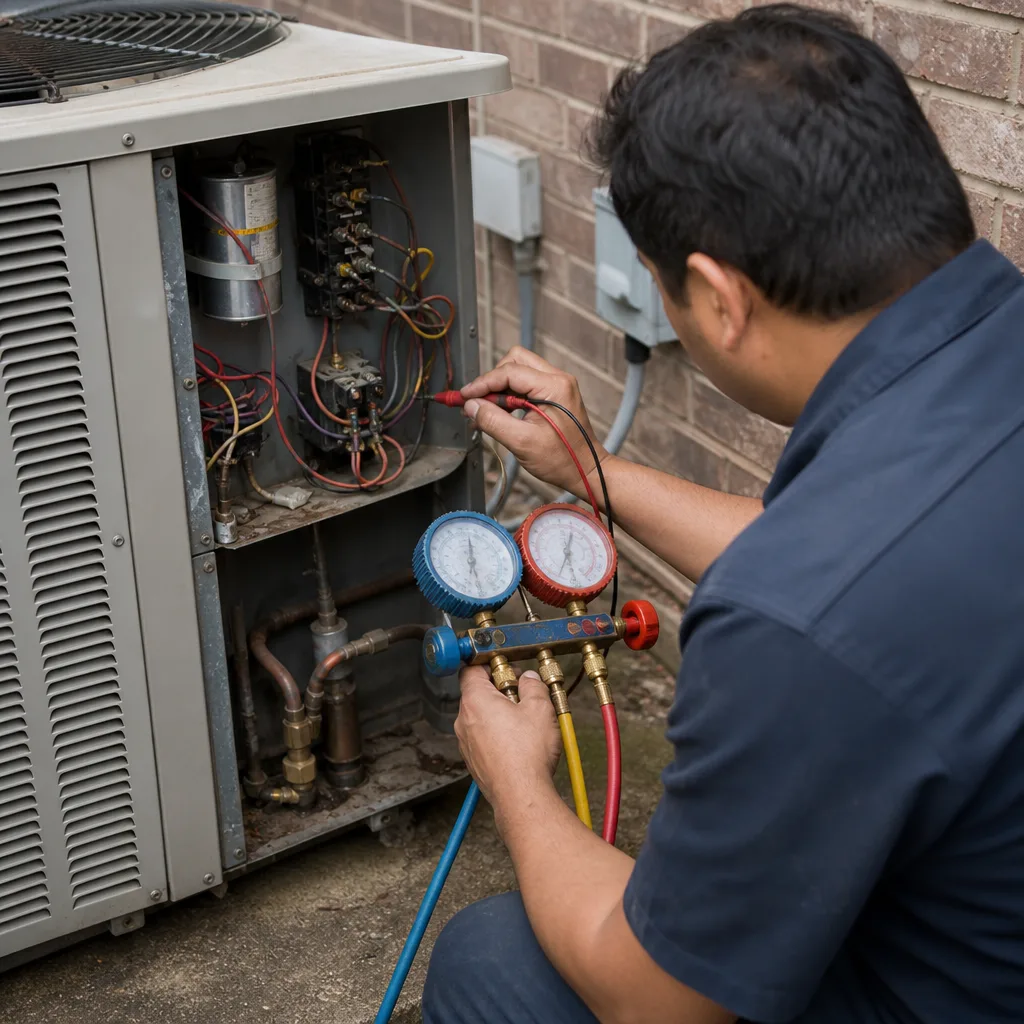
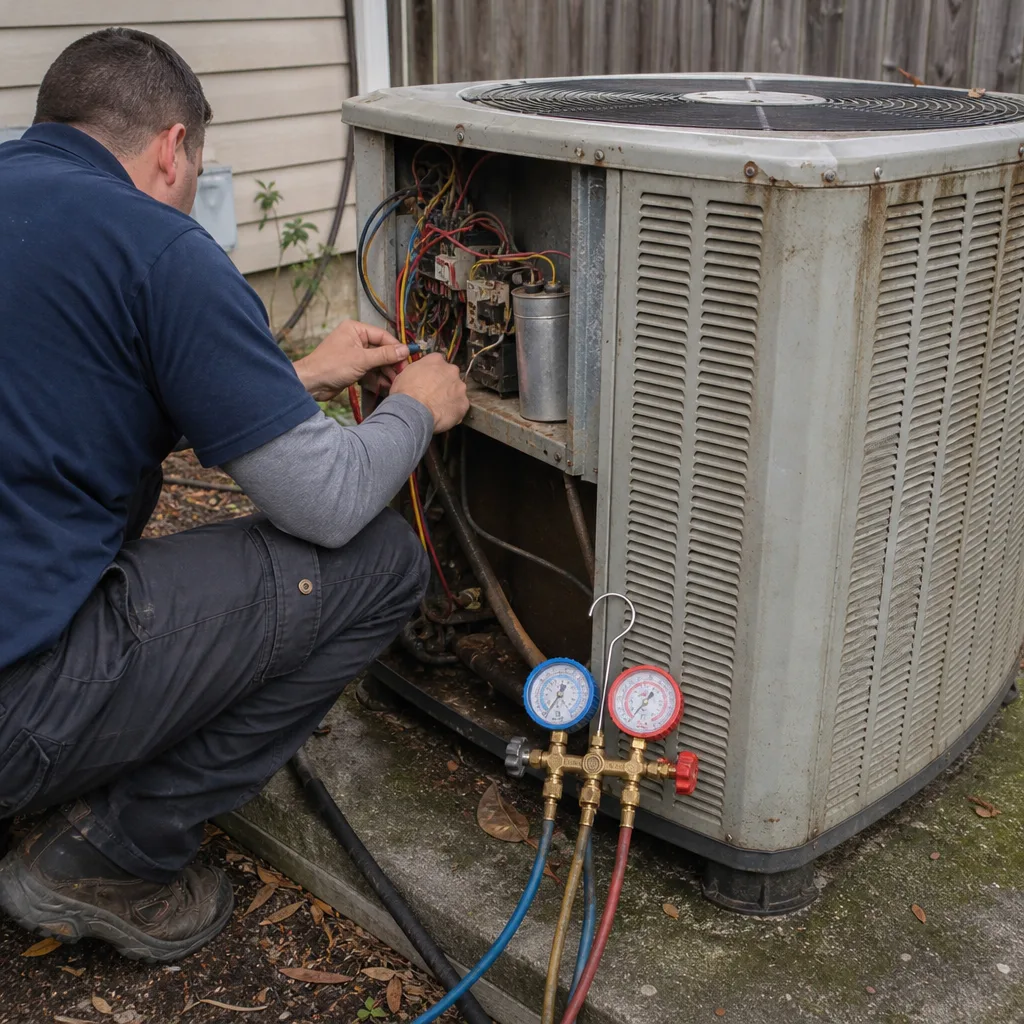
- What is the specific failed component, and how was it tested? A capacitor is tested with a meter, a contactor with a continuity check, a refrigerant leak with a leak search. If the answer is “it was weak” without a test, ask for the actual reading.
- What’s the part number? Legitimate estimates list the parts being replaced. That lets you look up the part and understand the price.
- Is this repair related to the failure, or just recommended? A system that’s not cooling because of a failed run capacitor doesn’t need a coil cleaning on the same invoice. It may need one eventually, but that’s a separate conversation.
- Does the price change if only part of the work is done? If the total includes coil replacement when only a capacitor is failed, ask for the line-item breakdown and see if the estimate still makes sense without the extras.
- Is it a written, signed estimate? The written estimate sets the final price. That’s the whole reason it exists. If a technician quotes a number verbally and it changes by the time the invoice arrives, you have a problem.
Ask for the price for the actual failed component first. Then ask what else the technician genuinely recommends and why. Any honest answer will separate those two columns.
Repair or Replace? The Heat Load Math
This is where we earn our keep. A repair shot is the right answer when the failed component is a discrete, inexpensive part and the rest of the system is holding up. A repair is wasting your money when the rest of the system is already at the edge of its design life in a climate that runs it 3,000 hours a season. Here’s how to know which is which.
Repair usually makes sense when:
- The system is under roughly ten years old, and the failure is a capacitor, contactor, blower motor, or a repairable refrigerant leak.
- The compressor and evaporator coil are both intact and tested within spec.
- The energy efficiency of the system still makes sense relative to the cost of a new one.
- The repair cost is a small fraction of replacement, and the rest of the system is in good shape.
Replacement usually makes sense when:
- The compressor is failing or has failed, especially on a system more than a decade old.
- The evaporator coil has failed, and the unit is of the age where the replacement coil cost is close to the value of the whole system.
- You’ve had three or more failures in the last three summers, each one a different component.
- The system uses R-22 refrigerant, which is phased out and increasingly expensive to keep servicing.
- The system is undersized for the house and never really kept up, even after repair.
The honest recommendation in Mesquite often tilts toward replacement a little earlier than you’d expect, because the load here is genuinely higher. A system that would last fifteen years in a mild climate may be near the end at twelve here. That’s not a sales angle. It’s a math problem, and we’ll walk through it with you so you can make the call that fits your situation.
What Routine Checks Actually Matter Here
Between repair calls, a handful of maintenance moves does more good than any list of “top ten tips.” Here’s the Mesquite-specific version.
- Change the filter on the manufacturer’s schedule or sooner. In a dusty, hot climate with an attic air handler, “sooner” is almost always the right answer. A clogged filter is the number one cause of frozen coils and unnecessary repair calls.
- Rinse the outdoor condenser coil a few times each summer. Not with a pressure washer, which bends fins. A garden hose, low pressure, top-down.
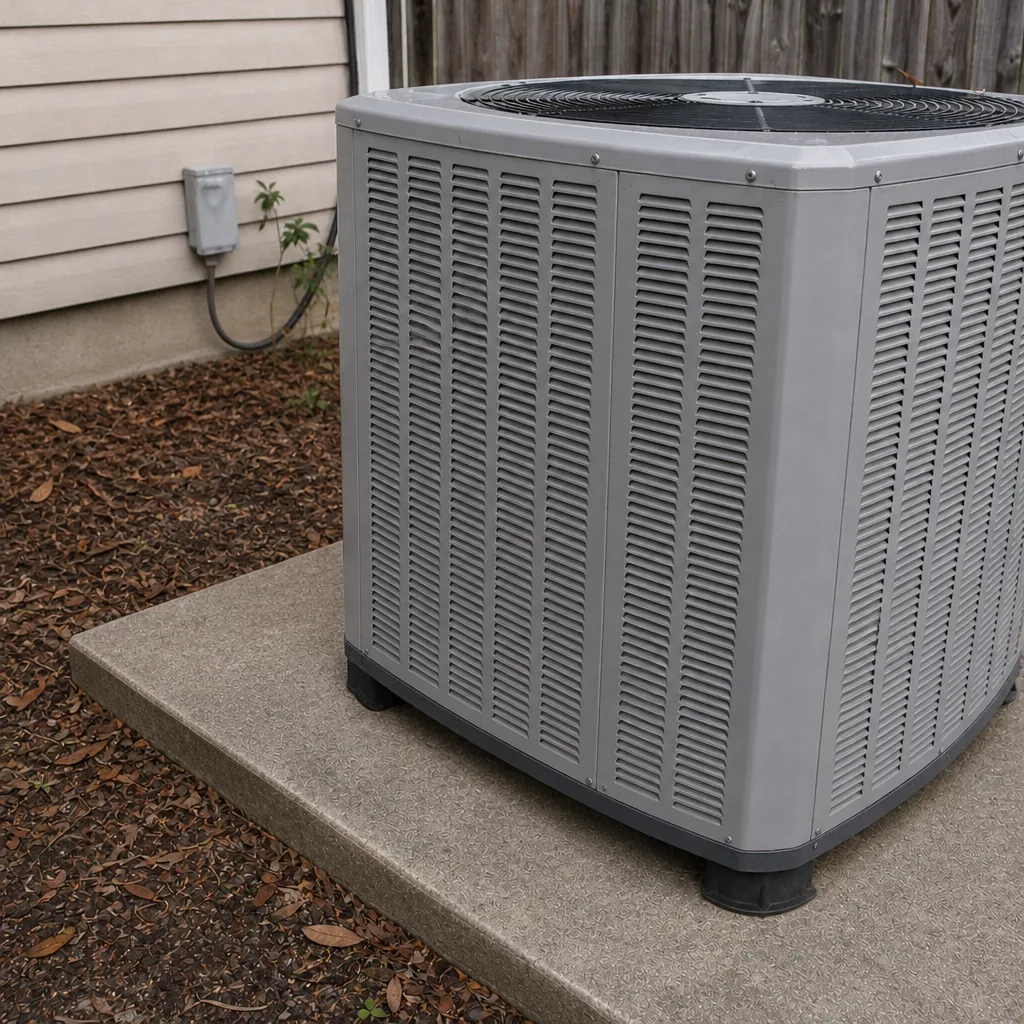
- Look at the condenser pad once a season. If it’s tilting, call it out. A settling pad is the beginning of a slow leak problem in clay soil.
- Clear the two-foot zone around the condenser. Landscaping blocks airflow and raises head pressure. Keep the grass trimmed.
- Check the condensate switch each spring. A safety switch that won’t trip is not a safety switch. This is easy to test during a routine service.
- Listen. New noises (clunking on start, a hum that doesn’t turn, a hiss) are the cheapest diagnostic information you’ll ever get.
If you want a technician to walk through these with you, a service visit is inexpensive relative to what you’d otherwise pay to fix what gets missed. Our technicians have up to 8 years of experience, and they’re not paid on what they sell, which means the recommendations you get are about your system, not a quota.
When to Call a Professional
Some problems are worth the peace of mind of a call, no matter how handy you are. If your system is blowing warm air on a 100°F day, if the outdoor unit hums but won’t start, if there’s ice on the refrigerant lines, if the breaker trips repeatedly, or if you see water collecting in the attic or around the air handler, call a technician. Refrigerant work, electrical component replacement, and compressor testing are not DIY tasks. Refrigerant is a regulated substance handled under EPA certification, and the electrical side of an air conditioner carries genuine shock and fire risk. An experienced technician tests components individually, confirms the diagnosis, and gives you a written estimate before any work. Whitman AC Repair offers free estimates in Mesquite, and we answer 24/7. Fast dispatch runs from 7am to 7pm. Call (866) 964-4152.
See the difference
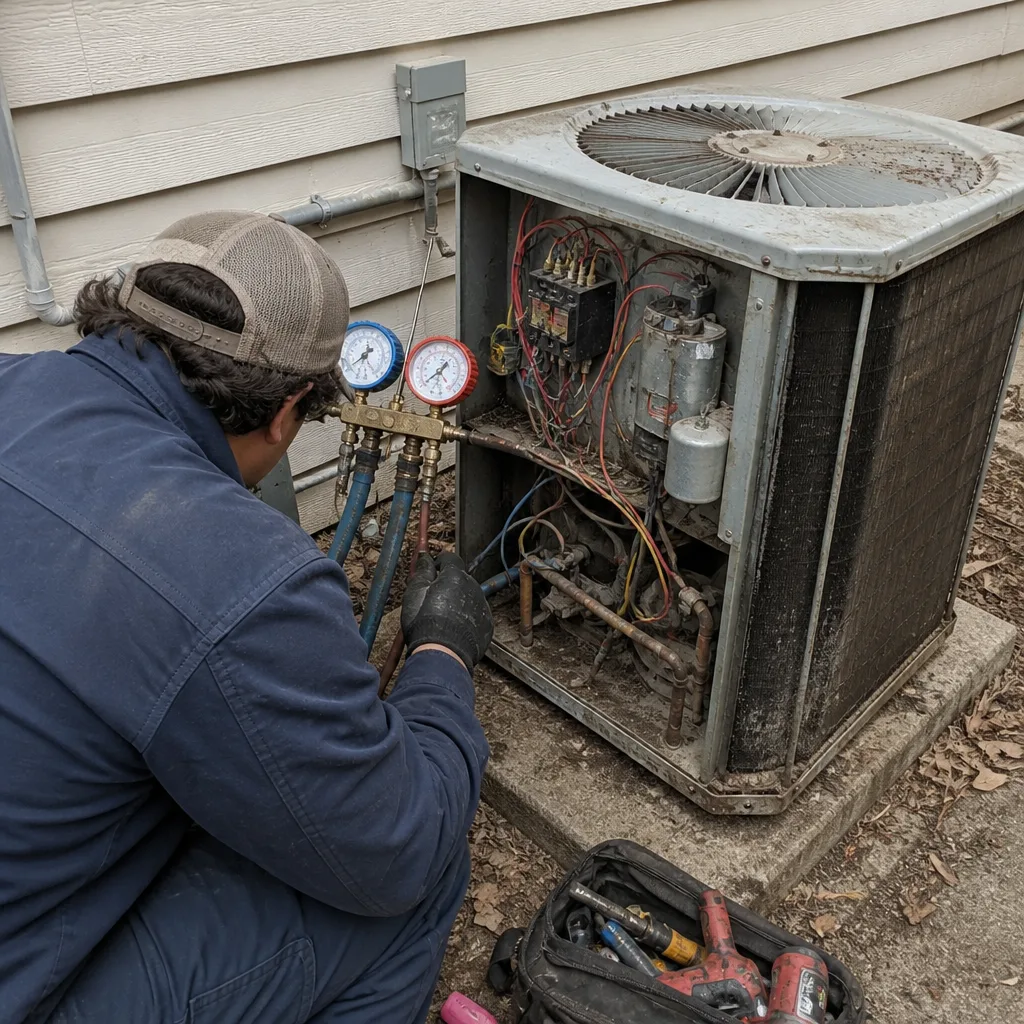 Before
 After
 Before
 After
 Before
 After
Common Mistakes to Avoid
- Accepting a recharge without a leak search. Topping off refrigerant without finding the source guarantees you’ll pay for the same refrigerant again within a season or two. Ask for a leak search every time a system is low.
- Ignoring the condenser pad. If it’s tilting, that’s a slow leak waiting to happen in clay soil. Have it looked at during the same visit as any other repair.
- Running a unit with a frozen coil. Ice on the refrigerant lines means low airflow or low charge. Forcing the compressor to run in that condition can cause real damage. Turn it off and call a technician.
- Treating a failed capacitor as “the unit is dying.” A failed run capacitor is one of the least expensive repairs in HVAC and doesn’t mean your compressor is on its way out. Get an actual diagnosis before you accept a replacement quote.
- Assuming all brands are “not supported.” If a company tells you they can’t work on your York, Daikin, or Bryant system, that’s a limit on the company, not your equipment. Ask before you book.
- Letting landscaping grow into the condenser. Two feet of clearance is not a suggestion. Blocked airflow raises head pressure and shortens compressor life.
- Skipping filter changes in the summer. The single most common cause of avoidable repair calls in a Mesquite July. Change filters on schedule, and more often during heavy-use months.
Frequently Asked Questions
Costs vary by the actual failed component, the system type, and whether refrigerant work is involved, so a written estimate is the only figure that matters. Most repair calls are for a single component, and the right answer is to get a written price for the failed part before anything is ordered. Call (866) 964-4152 and we’ll give you a free estimate.
Same-day service is often possible during peak season, and we prioritize no-cooling calls because a failed system in Mesquite heat is a genuine health concern, especially for older adults and young children. We answer 24/7, and fast dispatch runs from 7am to 7pm. Call (866) 964-4152.
We service all nine major HVAC brands, including Carrier, Trane, Lennox, Goodman, Rheem, York, Daikin, Bryant, and American Standard. If another company has told you your brand isn’t supported, call us and confirm. Nine brands, one number to call.
A sealed system does not consume refrigerant. If it’s low, it’s leaking, and the leak needs to be found with an electronic leak search or nitrogen pressure test before any recharge. In Mesquite, one of the most common sources is a stressed joint or fitting caused by clay soil shifting under the condenser pad. Ask specifically for a leak search on the next visit.
More often than a system installed in a conditioned space. Attic temperatures above 150°F stress capacitors, blower motors, and drain components. Annual service is a reasonable baseline, and during a Mesquite summer you should check the filter monthly and look for any water in the pan.
The honest answer depends on how many components are involved, the system’s age, and whether the failed part is a single inexpensive component or a high-cost assembly like the compressor or evaporator coil. We’ll tell you which one makes sense for your situation and give you a written estimate for both paths so you can decide.
The Bottom Line
Mesquite is a hard place on air conditioning equipment, and most of the problems we see here come from predictable stressors: an attic air handler in a 150°F space, a condenser pad settling in clay soil, and a system running harder than the manufacturer’s design conditions ever intended. Repair when the failed component is discrete and the rest of the system is holding. Replace when the load math, the age, and the cost of the repair stop making sense together. Ask for a leak search when a system is low, ask for the actual failed part when you get an estimate, and don’t accept “we don’t service that brand” if your system is from one of the nine major manufacturers. Call (866) 964-4152 for a free estimate. We answer 24/7, with fast dispatch from 7am to 7pm.
Written by the team at Whitman AC Repair.